
Last updated November 16, 2026
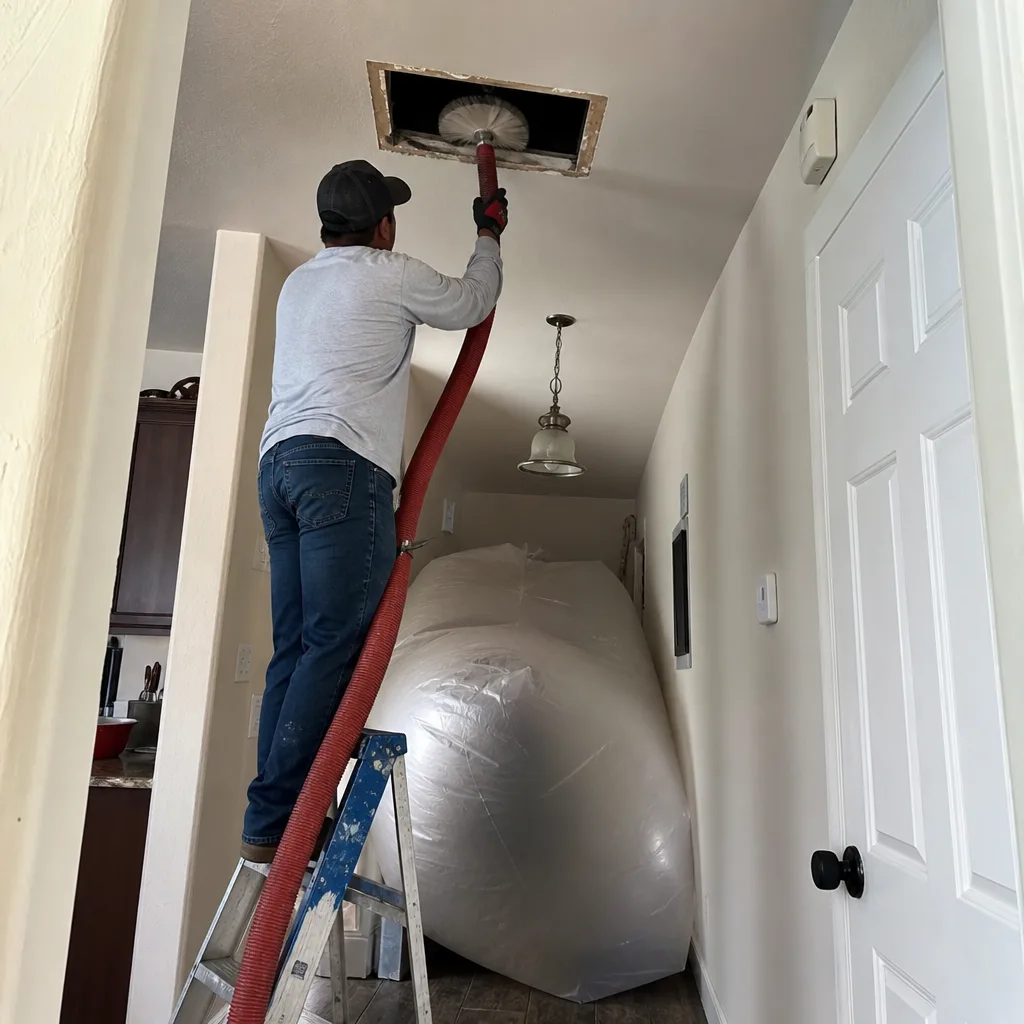
 Whole-home duct cleaning
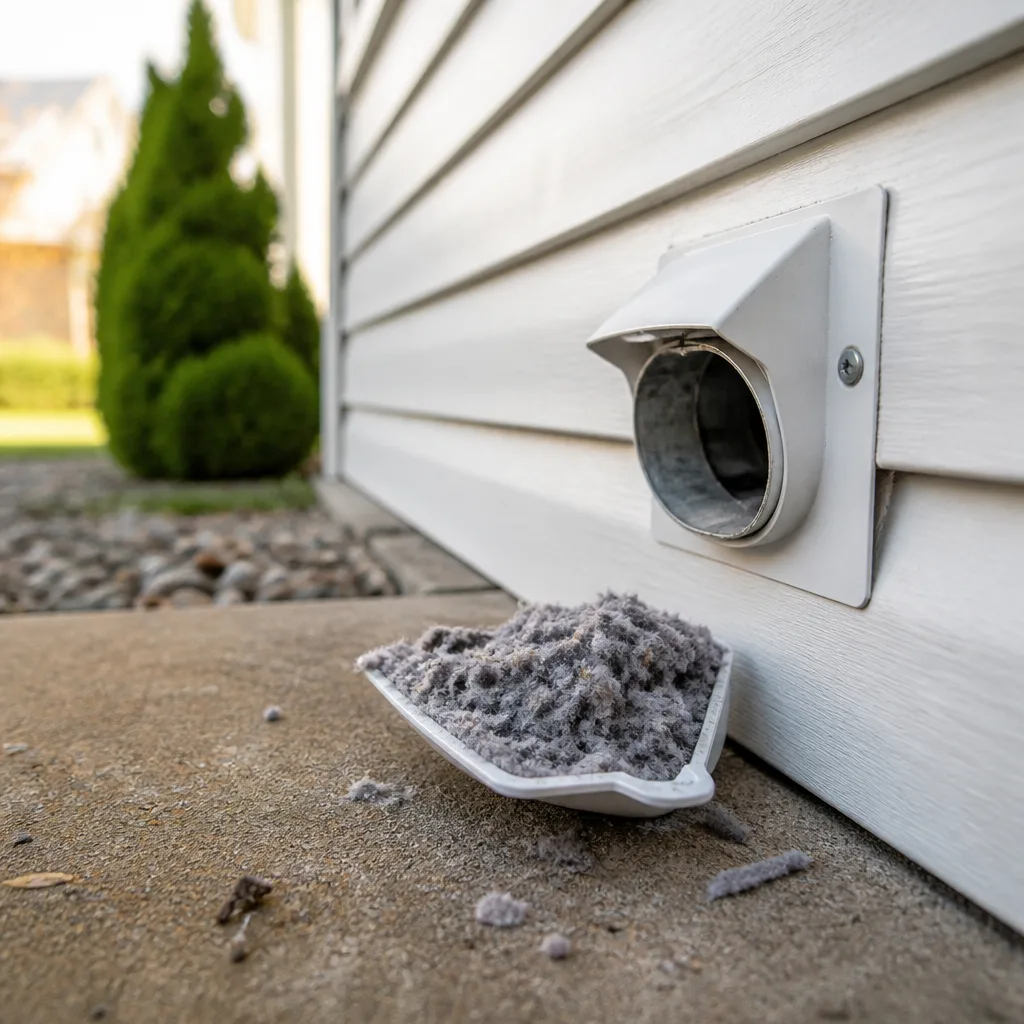 Dryer vent cleaning
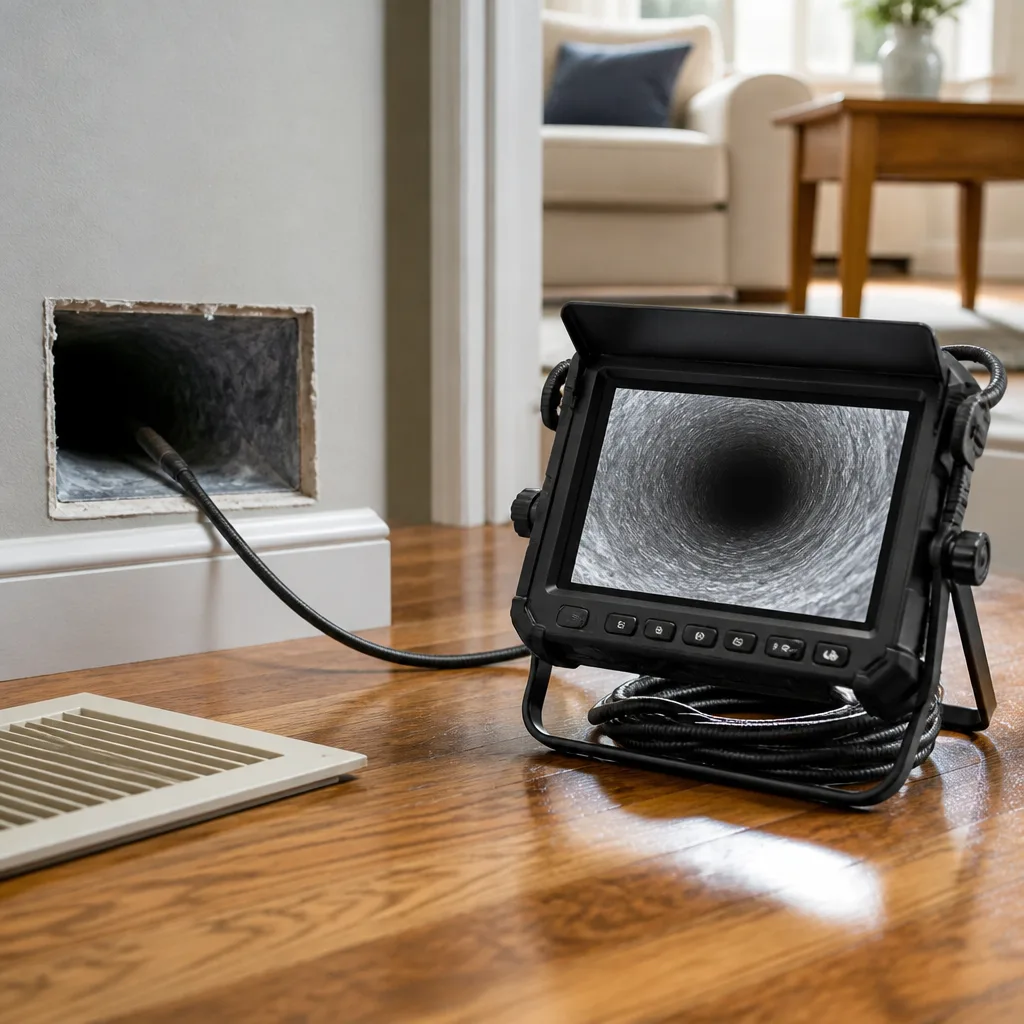 Camera inspection
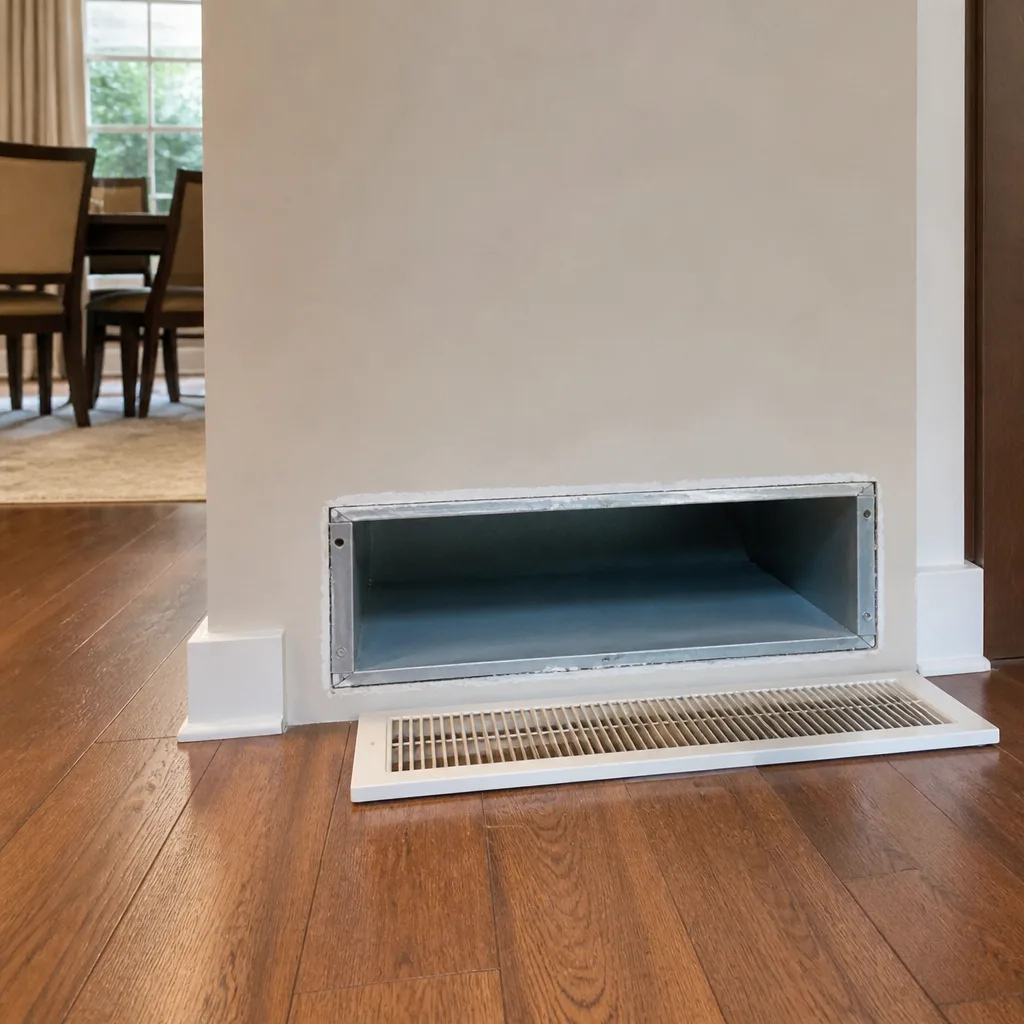 Sanitizing & deodorizing
Whole-system duct and dryer vent check with before-and-after photos - you see exactly what came out of your vents
That "$99 whole-house special" is a bait ad - the real number appears once they are in your hallway, or the "clean" is a shop-vac at the register. We photograph the inside of your ducts before and after instead.
Air Duct Repair Maintenance Checklist for Odessa Homeowners
Most people think about duct repair the way they think about a flat tire: something that happens to you, not something you plan. That framing is backwards. Ductwork in Odessa degrades slowly and quietly, and by the time a homeowner notices a problem, it’s usually been costing money for a while. A disconnected joint in the attic can leak a significant share of your conditioned air into attic space that hits 130 degrees in July, and the system will simply run longer to compensate. You’ll blame the thermostat, the refrigerant, the age of the unit. The ducts themselves rarely make the suspect list. This checklist walks you through finding and preventing duct problems on your own schedule. It covers the self-checks you can do in an afternoon, the failure points that show up most in Odessa homes, and how to build duct repair into a real maintenance calendar instead of treating it as an emergency call.
Quick Answer
A duct maintenance checklist for Odessa homes should include a room-by-room airflow check each season, a visual inspection of accessible duct runs in the attic or crawl, verification that joints and seams are sealed with mastic rather than tape, and a professional inspection before the June heat season and after major dust events. Repair any known leaks before scheduling duct cleaning, since cleaning a leaking system pulls more contamination back in. Our technicians have up to 10 years of experience with duct systems and indoor air quality equipment, and we can inspect, repair, and clean in a single visit.
Styles & brands we work with
- Whole-home duct cleaning
- Dryer vent cleaning
- Camera inspection
- Sanitizing & deodorizing
Table of Contents
- Why Duct Repair Should Be Scheduled, Not Reactive
- How to Do a Room-by-Room Airflow Check
- The Duct Failure Points We See Most in Odessa
- Why Repair Comes Before Cleaning
- Mastic vs. Foil Tape: What a Proper Seal Looks Like
- Your Odessa Seasonal Duct Maintenance Calendar
- When to Call a Professional
- Frequently Asked Questions
Why Duct Repair Should Be Scheduled, Not Reactive
Ductwork is one of the few home systems that fails without any warning light. A dead AC compressor announces itself. A leaking duct does not. It just leaks, and the system quietly compensates by running longer. Over a season, that slow inefficiency shows up as rooms that never quite reach the set temperature, higher energy bills with no obvious cause, and a house that feels stuffy in the afternoons.
Thinking of duct repair as maintenance changes the economics. A small sealed joint in spring is a minor fix. The same joint, neglected through two summers of heat cycling, can open further, collect dust, and compromise the whole run. In Odessa homes specifically, the temperature swings inside an attic are severe enough to accelerate that deterioration more than most homeowners expect.
Here’s how to reframe your ductwork like the other scheduled systems in your house:
- Treat airflow as a diagnostic. If one room is consistently weaker than the others, that’s information, not bad luck.
- Inspect on a calendar, not on suspicion. A quick spring and fall walkthrough catches most problems early.
- Fix before you clean. Repair is a precondition for effective cleaning, not a follow-up.
- Document what you find. Note which registers are weak and when. Patterns tell the story better than a single observation.
If you’re unsure where to start, our air duct cleaning service includes a visual assessment of accessible duct runs, and we flag anything that looks like it needs repair while we’re there. That combined approach is one of the reasons we handle repair and cleaning as connected services rather than separate specialties.
How to Do a Room-by-Room Airflow Check
You can diagnose most residential duct problems with nothing more than a tissue, a stick of incense, or the back of your hand. This check takes about fifteen minutes and tells you more than a thermostat reading ever will. Do it with the system running for at least ten minutes first, and do it on a day you’d normally run the system anyway.
- Start at the strongest register. Find the vent with the most airflow in the house. That’s your baseline. You’ll compare every other register to it.
- Hold a tissue across each register. It should flutter strongly. A tissue that droops, or barely moves, is a red flag for a disconnected or kinked run.
- Use an incense stick for quieter registers. The smoke trail will show you direction and strength. If the smoke gets pulled up against the register, that’s a return; if it blows away, that’s a supply. A supply register with weak blow is the one to investigate.
- Feel around the register flange. Air leaking out of the drywall joint or the boot is a common sign of a failed seal at the register collar.
- Note room temperature with a handheld thermometer. Compare rooms that should be similar in size and sun exposure. A back bedroom running several degrees warmer than the front of the house is the classic symptom of a compromised run.
- Check the return grilles. Weak return airflow often points to a collapsed or restricted return run, which starves the whole system.
Write down what you find. A simple note like “back bedroom weak, hall strong, guest bath weak” is enough to give a technician a running start. If you’re in a two-story home in Odessa, pay extra attention to the upstairs registers; the longest runs run through the hottest part of the attic and are the most prone to failure. For a broader walkthrough of what we look at during a full assessment, see our Odessa service overview.
The Duct Failure Points We See Most in Odessa
In our experience across Odessa, duct failures cluster around a few predictable spots. Knowing where to look saves you from hunting through every inch of attic. Three patterns come up again and again.
Flex duct kinks at joists. Flexible duct is common in residential runs, and it does not like tight corners. Where a flex run passes over or around a joist with too sharp a bend, the inner liner can pinch. A kinked duct still looks fine from outside; the problem is inside the run, where airflow chokes off. Rooms fed by kinked runs run weak no matter what you do at the thermostat.
Mastic deterioration from heat cycling. Mastic is a brush- or trowel-applied sealant that cures into a flexible skin over a joint. In an attic that swings from morning ambient to well over 130 degrees in the afternoon, that sealant works hard. Over seasons of expansion and contraction, mastic can crack, separate at edges, or peel from a joint entirely. Once it lifts, the joint is open.
Tape failures in older metal duct systems. Older metal ductwork was frequently sealed with duct tape, which sounds appropriate but isn’t. Standard fabric-backed duct tape dries out, loses adhesion, and falls off. In a hot attic, that process happens faster. When we open up an older metal system in Odessa, the tape is often curled up at the edges or already hanging loose from the joint.
- Register boots and collars: the point where the duct meets the ceiling or floor grill.
- Plenum connections: where the trunk line meets the air handler.
- Takeoff collars: the fittings that branch off the trunk to individual runs.
- Flex duct joints: where two sections of flex were joined and taped.
- Runs through unconditioned space: any duct passing through attic or crawl, which is most of them in a single-story Odessa home.
Why Repair Comes Before Cleaning
This is the point most homeowners miss, and it matters more than any other principle in this guide: cleaning a leaking duct system pulls more contamination into the house, not less. Here’s the mechanism.
When you run a duct cleaning, the equipment creates controlled negative pressure inside the system and extracts debris. If the system is well-sealed, that negative pressure stays contained. If a joint is open or a run is disconnected, the negative pressure pulls attic air, insulation fibers, and whatever else is floating around in that space straight into the living area. The ducts may be clean when the technician leaves, but the house gets a fresh injection of everything the ducts were supposed to keep out.
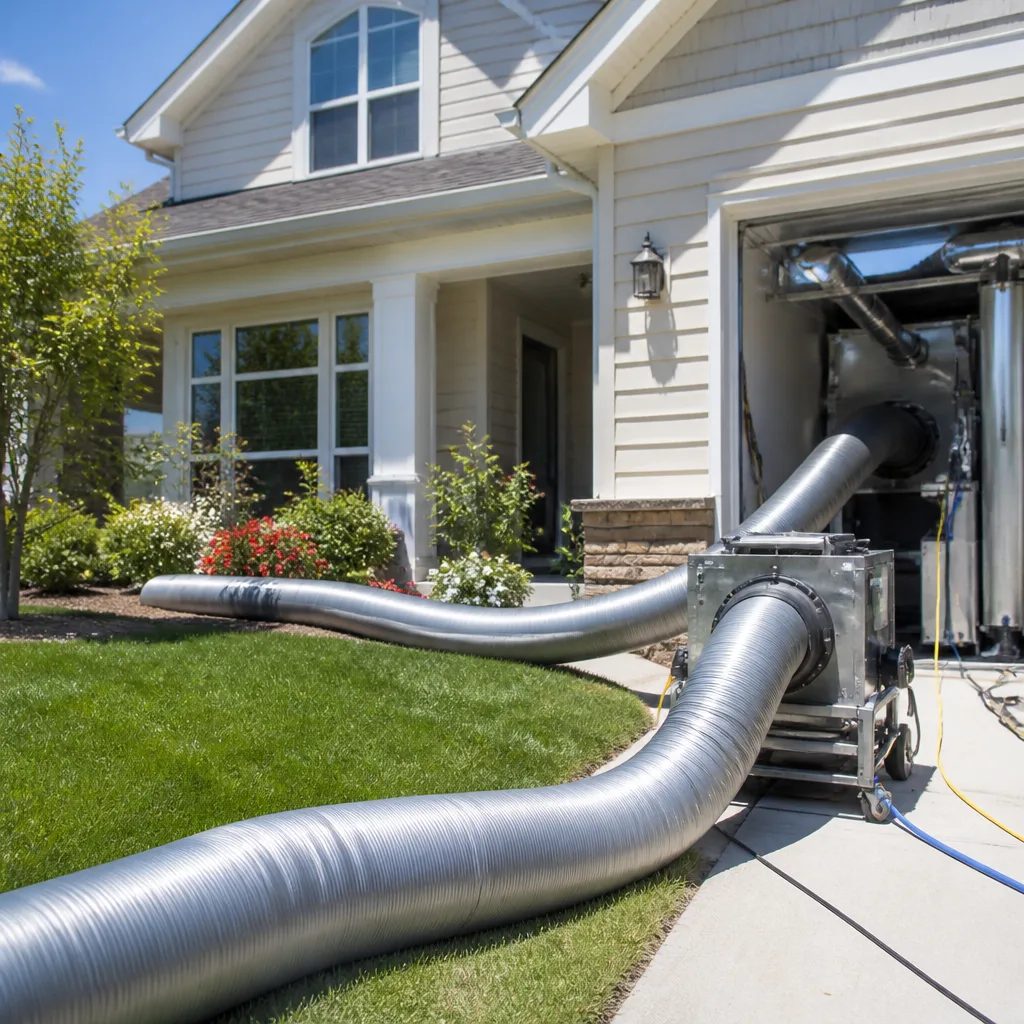
This is why a proper cleaning visit starts with inspection, not cleaning. Our approach uses Rotobrush rotary brush systems and Nikro HEPA-rated extraction equipment, and we check accessible runs for seal integrity before we start the brush. If we find compromised ductwork, we fix it first. On jobs where the indoor air quality concerns are more serious (post-renovation dust, older homes with visible debris, allergy-driven calls), we bring Abatement Technologies containment equipment so the extraction process is fully controlled.
Practical order of operations for a duct project:
- Inspection. Identify all accessible leaks, kinks, disconnections, and failed seals.
- Repair. Seal joints with mastic, replace kinked flex sections, reattach disconnected runs, replace failed tape with proper sealant.
- Verify. Confirm the system is closed and flowing properly before starting any extraction.
- Clean. Run brush and HEPA extraction on the now-sealed system.
- Document. Before-and-after photos of the ductwork should be part of any professional service.
If you’re considering a cleaning and aren’t sure whether repair needs come first, that’s exactly what a visual assessment answers. We can tell you in one visit whether your system is clean-ready or repair-ready first.
Mastic vs. Foil Tape: What a Proper Seal Looks Like
Mastic sealant and foil tape are not interchangeable, though they’re often treated that way. Mastic is a paste or brushable compound applied over a joint that cures into a continuous skin. It adheres to duct surfaces, expands and contracts with the duct, and remains bonded through seasonal temperature swings. Foil tape is a pressure-sensitive adhesive film that holds at the moment of application but loses grip as attic temperatures cycle. Standard fabric-backed duct tape fails even faster.
What a properly mastic-sealed joint looks like:
- Continuous coverage. The sealant covers the full joint and extends an inch or more onto each duct surface.
- Smooth and uninterrupted. No cracks, no peeling edges, no areas where the mastic has pulled away.
- Flexible feel. Cured mastic has give. It should flex slightly under pressure, not crack.
- No visible gaps. On a takeoff collar, you should see a solid ring of sealant all the way around, not spots of tape bridging a gap.
What a failing seal looks like:
- Curled tape edges. The tape is lifting at the joint.
- Cracked or separated mastic. Visible splits or areas where the sealant has peeled away.
- Dust accumulation at joints. Dust gathers where air is leaking. A dusty joint is a leaking joint.
- Visible gaps at takeoff collars. You can see daylight or feel air movement at the fitting.
Why this matters more in Odessa than in many other markets: the attic temperature swings here are severe. Duct runs through an attic that can hit 130 degrees in the afternoon and cool off overnight are exposed to significant thermal cycling every single day through the summer. A seal that would survive for years in a milder climate can fail within a couple of seasons here. If we’re doing repair work on ductwork, we use mastic, not tape, because the tape simply doesn’t hold up to this environment.
The other thing to look for when choosing a contractor is whether the sealing approach is verified. Reputable duct repair includes photos of the sealed joints. Ask for before-and-after documentation; if a contractor can’t provide it, that’s a signal. We document every repair, and you’ll see the sealed joints, not just the cleaned interior.
Your Odessa Seasonal Duct Maintenance Calendar
Duct maintenance in Odessa has two natural anchors: the run-up to June heat season, and the aftermath of West Texas dust events. Building your inspections around those two events gets you most of the value. Everything else is a quick seasonal check.
Before June (late April to mid-May). This is the critical window. Do a full register-by-register airflow check (see above) before the system starts running hard. Inspect accessible attic runs for kinks, loose tape, or separated mastic. If you’ve never had the ducts inspected, this is the time to schedule an assessment so any repair work can be done before the system is under summer load. Handheld thermometer readings in each room give you a baseline you can compare against in August.
After a major dust storm. West Texas dust events are a fact of life here, and they push fine particulate into the return side of a home’s HVAC system quickly. After a significant dust storm:
- Check the air filter. If it’s loaded, replace it; if you’re not sure, check it again in a few days.
- Run the airflow check at registers. Weak supply airflow after a dust event often means the return side is restricted.
- Note whether rooms feel dustier than usual, which points to either a filter issue or a leak in the return duct pulling in conditioned-space air from the wrong place.
Fall (October). A second full airflow check before heating season. This is also a good time for a second filter change if you’re running the system hard through the cooling season. Look at the accessible duct runs again; if summer heat cycling opened anything you sealed in spring, catch it now.
Year-round dryer vent check. Your dryer vent cleaning should be on its own cycle, separate from the HVAC ducts. Lint buildup in a dryer vent is a leading cause of residential house fires, and it accumulates in months, not years. If your dryer cycle has started taking longer than it used to, or clothes aren’t fully drying on the first pass, the vent is a likely culprit. Adding a dryer vent check to your seasonal walkthrough is one of the least glamorous, most useful things you can do for your home.
We tie this calendar into the way we schedule work across Odessa. Spring inspections before the June ramp-up are the priority slot for most homeowners, and fall checks are the second. For the surrounding region, the same climate patterns apply; see our Duct Cleaning Odessa home page for how we handle scheduling. If you’re managing a rental property or multiple units, the calendar is even more important, because a tenant won’t call you about a weak register until the AC has been limping along for a full season.
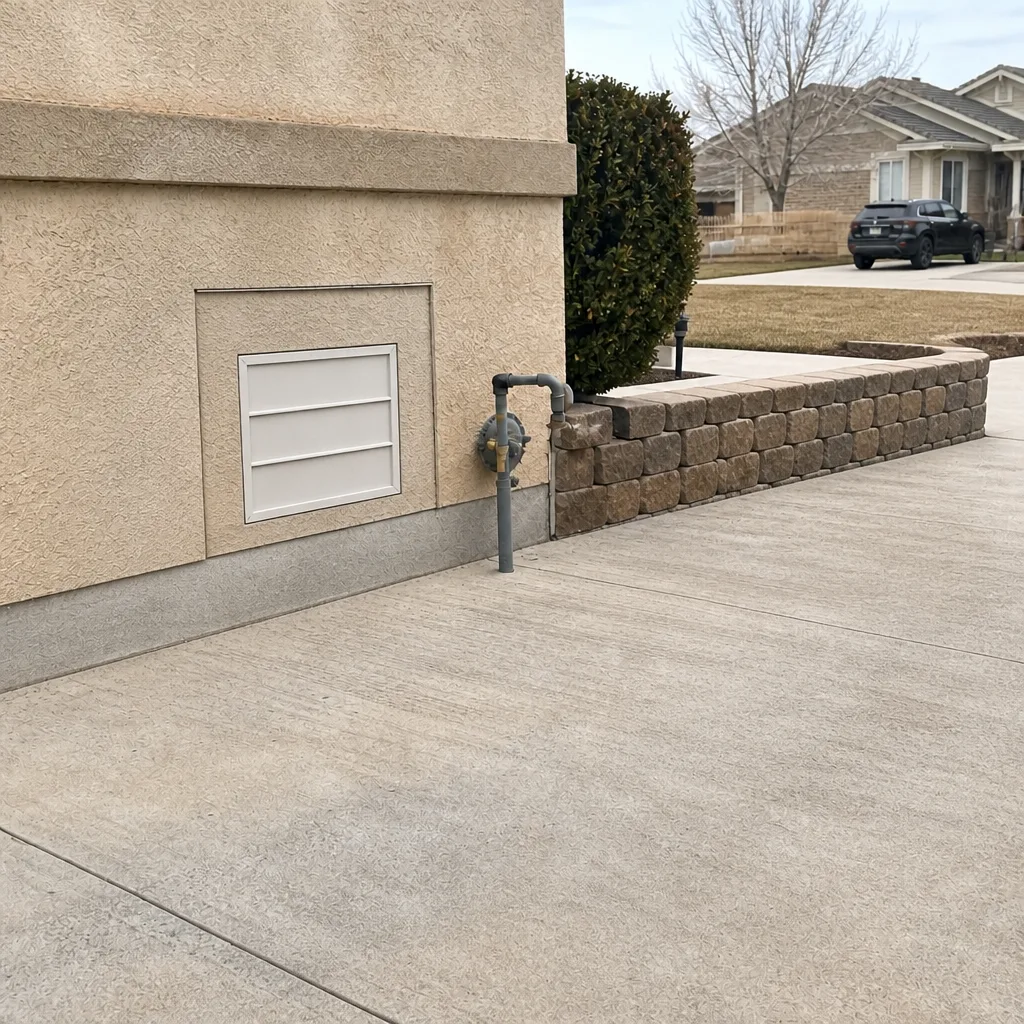
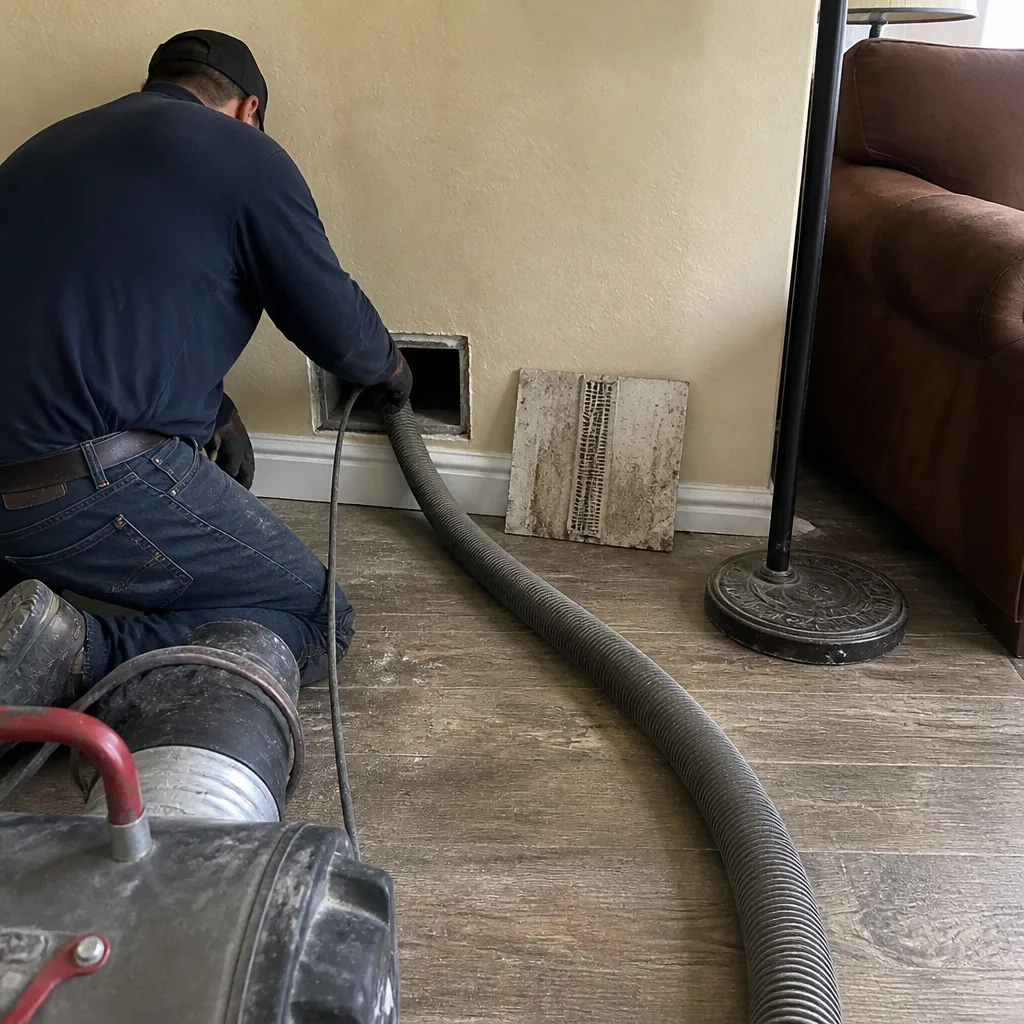
See the difference
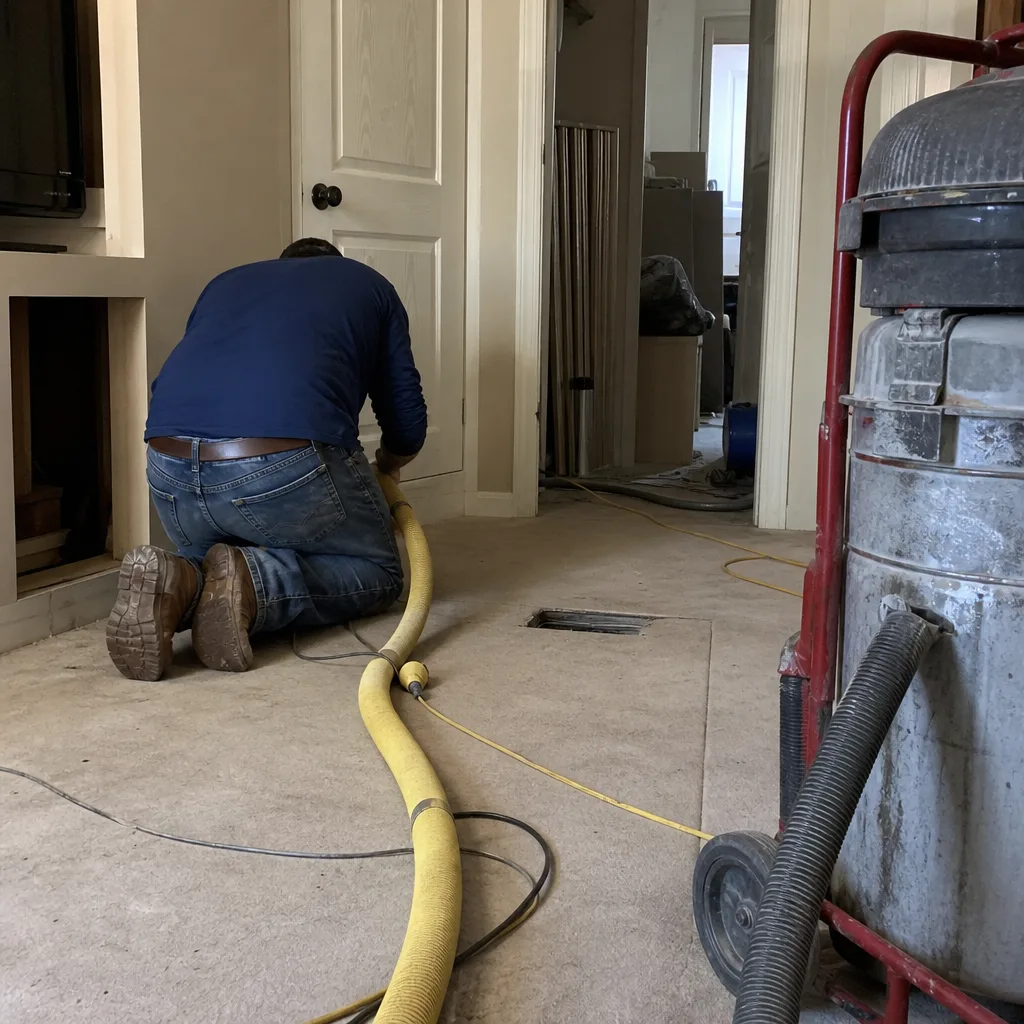 Before
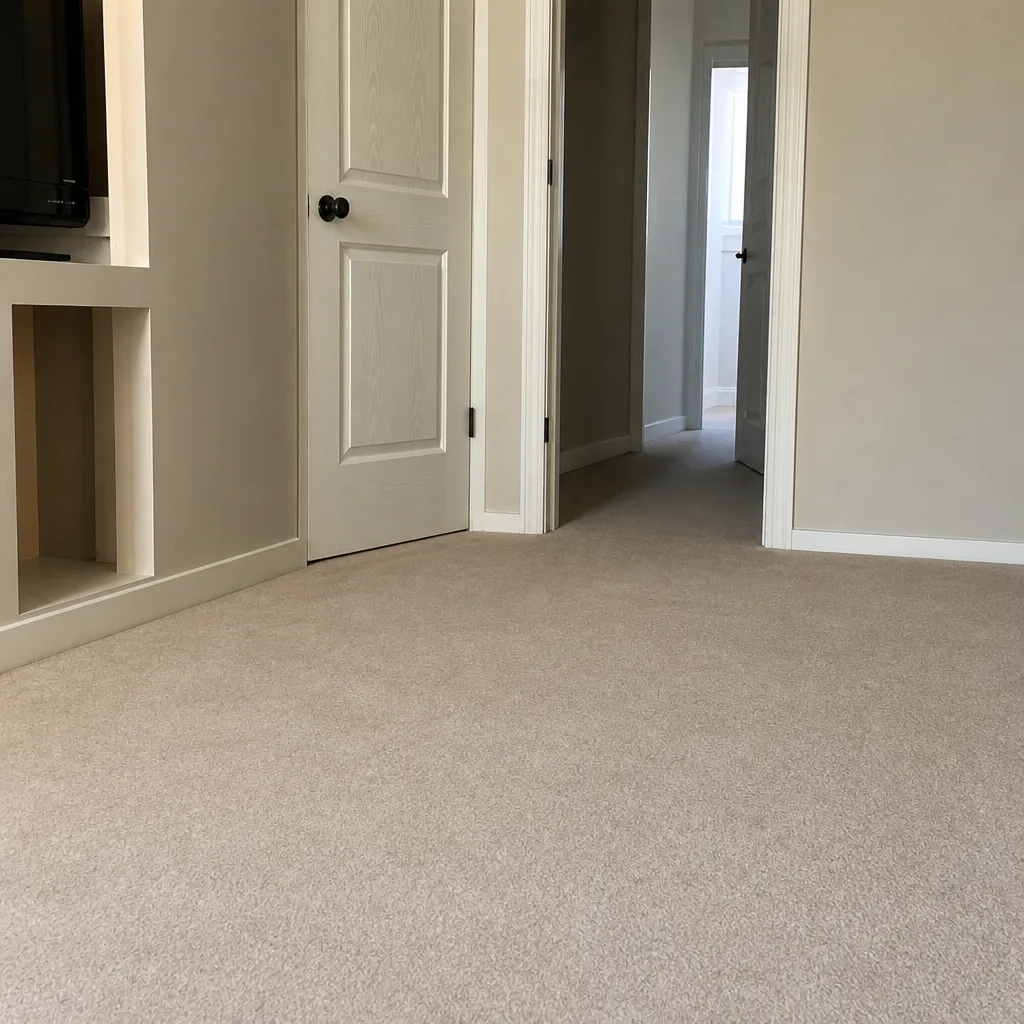 After
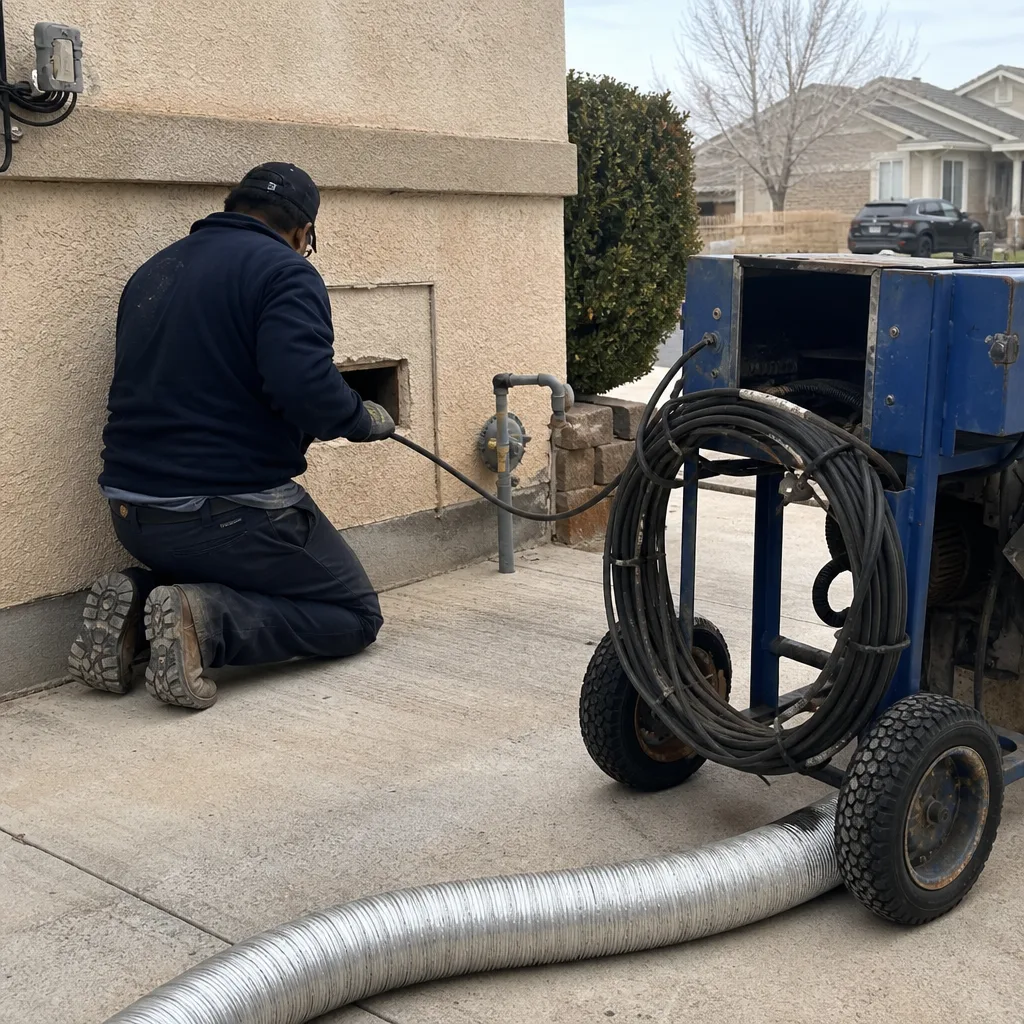 Before
 After
 Before
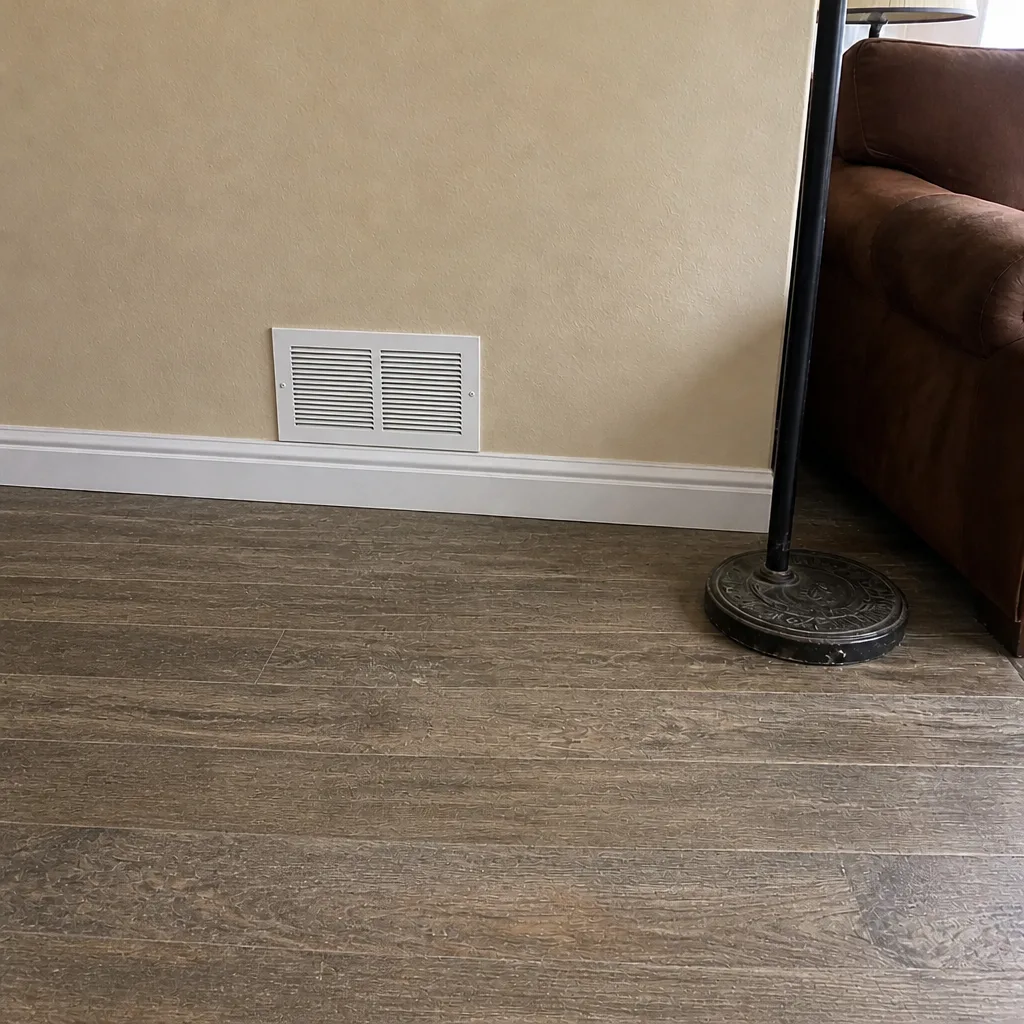 After
Common Mistakes to Avoid
- Using duct tape on duct joints. Standard fabric-backed duct tape fails in a hot attic within a couple of seasons. It’s not actually recommended for duct sealing by anyone who works with HVAC ductwork. Use mastic.
- Cleaning before repairing. This is the most common sequencing mistake in the trade. Cleaning a leaking system pulls attic air and insulation debris into the living space. Repair and seal first.
- Assuming weak airflow means a failing AC. A back bedroom that won’t cool is more often a duct problem than a compressor problem. Check the registers before you call an HVAC tech.
- Skipping the return side. Homeowners usually check supplies and ignore returns. A restricted return starves every supply run in the system.
- Ignoring flex duct kinks because the outside looks fine. Flex duct can be kinked inside, and the pinch is invisible from the exterior. If a room is weak, the run may need to be traced.
- Skipping the dryer vent because it’s not part of the HVAC ducts. Dryer vent lint is a fire risk. It’s a separate system and needs a separate check.
- Treating a single cleaning as permanent. Ducts re-accumulate dust over time, and the sealing done today is exposed to heat cycling every summer. Maintenance is a cycle, not an event.
When to Call a Professional
Some checks are things you should do yourself on a schedule. Others need equipment and training. Call a professional when you’ve done the airflow check and found a consistent weak room that doesn’t improve with filter changes. Call when you can see a visibly disconnected run or a joint with daylight showing. Call when you smell musty or dusty air that doesn’t clear after filter replacement, which suggests a return-side leak or a moisture issue in the duct system. Call when your dryer vent hasn’t been checked in a year or more, or when the dryer’s cycle time has crept up.
Also call if your system hasn’t been assessed at all and you’ve been in the home for more than a couple of years without a duct inspection. Duct Cleaning Odessa offers free estimates in Odessa; call (833) 749-5958 for an assessment. We answer 24/7. Fast dispatch from 7am to 7pm, Sunday through Friday.
Frequently Asked Questions
Air duct repair in Odessa is priced per job based on the written estimate, because the work depends entirely on what’s found during inspection: a single joint resealed is a different job than replacing a kinked flex run or re-sealing a plenum connection. We can’t give a meaningful number without seeing the ductwork, so the estimate is done before any work begins and covers the full scope. Call (833) 749-5958 for a free estimate. We answer 24/7. Fast dispatch from 7am to 7pm, Sunday through Friday.
Ductwork should be inspected at least once a year, with a light visual check each spring before the cooling season starts. Odessa homes benefit from a spring inspection before June, because that’s when the system runs hardest and thermal cycling in the attic accelerates seal failures. If you’re in an older home or have had a renovation, add a mid-cycle check. If a dust storm passes through, a quick register check after the event is worth doing.
Standard duct tape won’t hold up to attic temperature cycles, and it’s not the right material for a lasting seal. Mastic sealant is the professional approach because it bonds and remains flexible through seasonal swings. Applying mastic correctly on a joint requires access to the ductwork and a clean surface; in many homes, that means attic access that’s awkward or unsafe. For small visible joints you can reach, mastic is the right material. For anything in hard-to-reach attic runs, or for a system with multiple leaks, call a professional. Call (833) 749-5958 for an assessment.
Repaired first, always. Cleaning a leaking duct system pulls attic air, insulation particles, and other debris into the living space through the open joints. Once the system is sealed, cleaning works with contained negative pressure and actually extracts debris. If a contractor wants to clean first and assess repair later, that’s a red flag.
The clearest signs are a room that’s consistently weaker than the rest of the house, visible loose tape or separated mastic at a joint, dust accumulating at the register flange, air movement around the collar of a supply register, or a musty smell that doesn’t clear after a filter change. The tissue test at registers is the simplest first check. If those signs are present, a professional inspection confirms whether repair is needed and what it involves.
Attics here reach much hotter peak temperatures than in milder climates, so the ductwork cycles through a wider temperature range every day through the summer. Mastic and other seal materials expand and contract with those cycles. A joint that holds for years in a mild climate can crack in two or three seasons under this kind of heat cycling. That’s why mastic rather than tape is important here, and why a spring inspection is worth doing every year.
The Bottom Line
Duct repair works best as maintenance, not as an emergency response. The core actions: run a register-by-register airflow check each spring before the June heat season, inspect accessible attic runs for kinks and failed seals, use mastic rather than tape for any sealing work, and repair before cleaning so you’re not pulling debris in through open joints. Add a post-dust-storm filter and airflow check, and keep your dryer vent on its own maintenance cycle. The system will tell you what it needs if you look at it on a schedule. Call (833) 749-5958 for a free estimate. We answer 24/7. Fast dispatch from 7am to 7pm, Sunday through Friday.
Written by the team at Duct Cleaning Odessa.