
Last updated November 16, 2026
 Whole-home duct cleaning
 Dryer vent cleaning
 Camera inspection
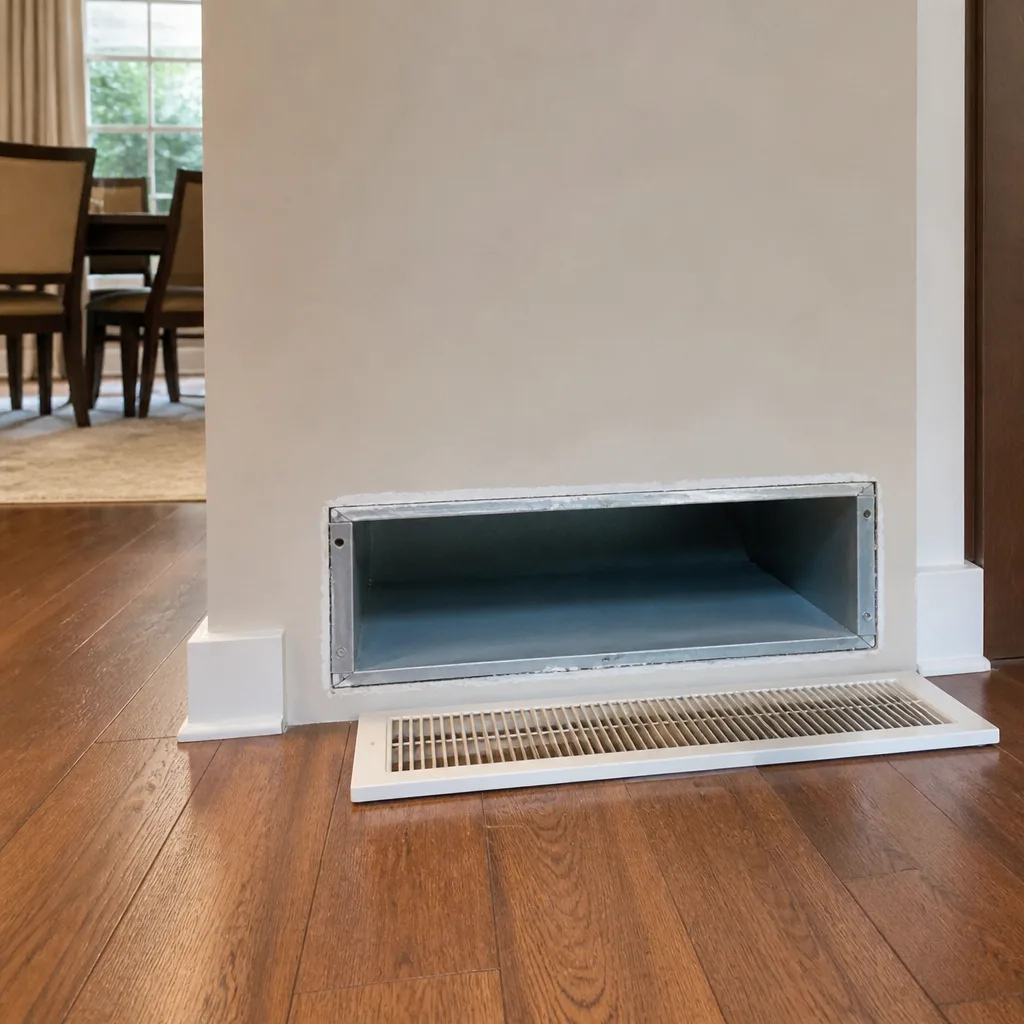 Sanitizing & deodorizing
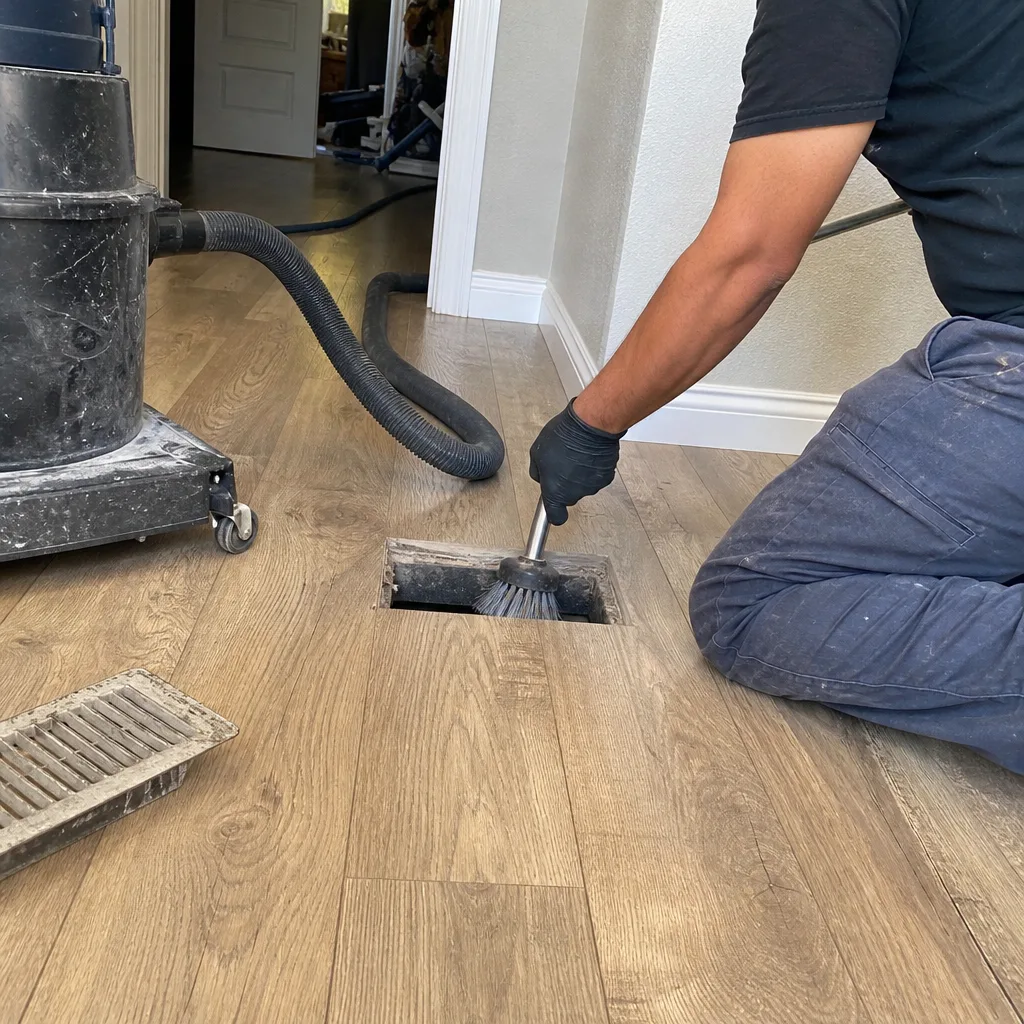
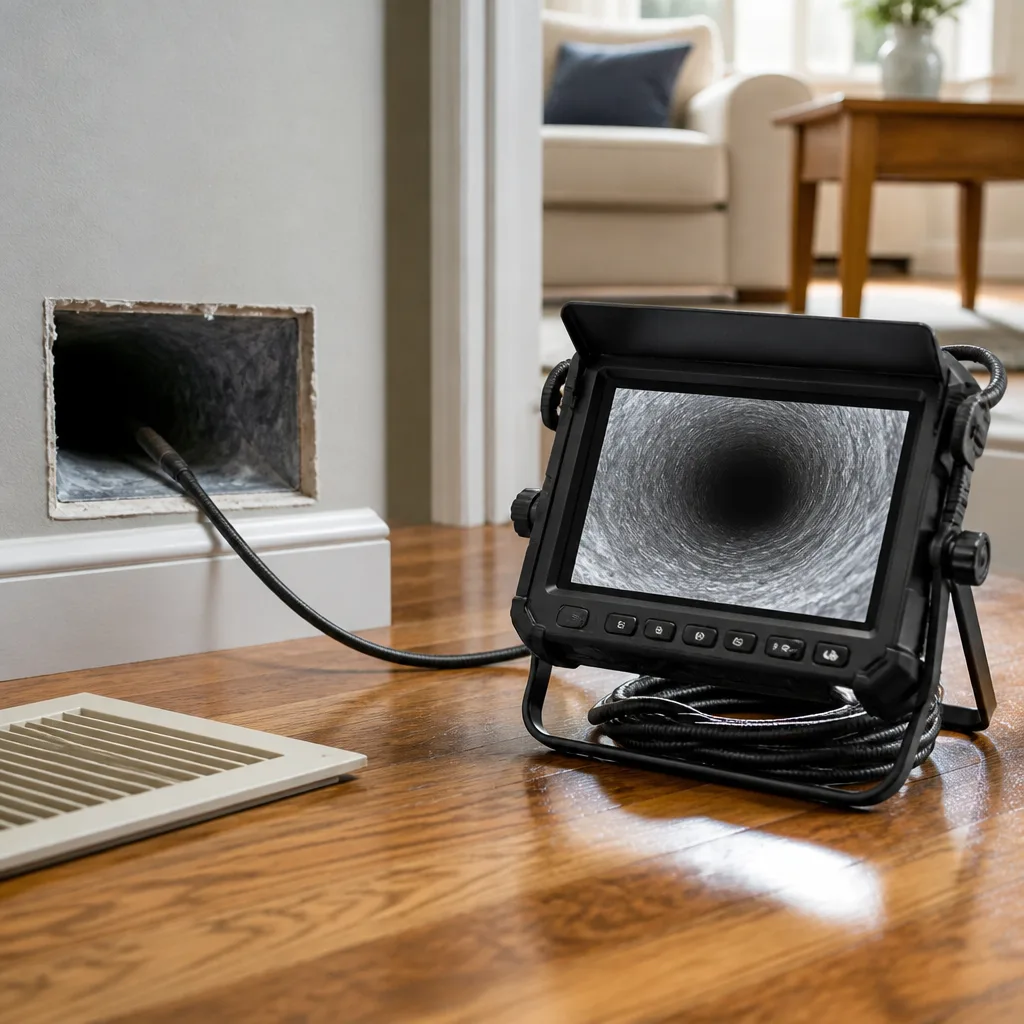
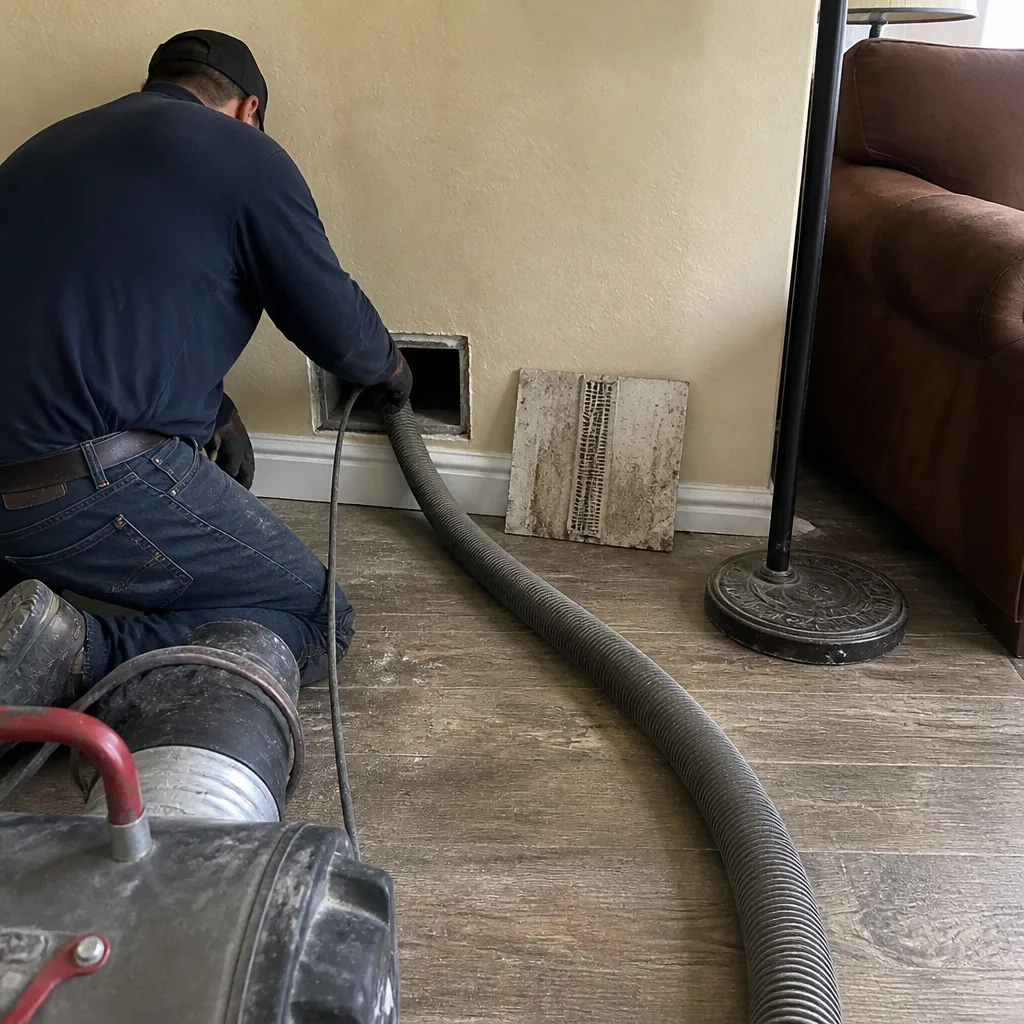
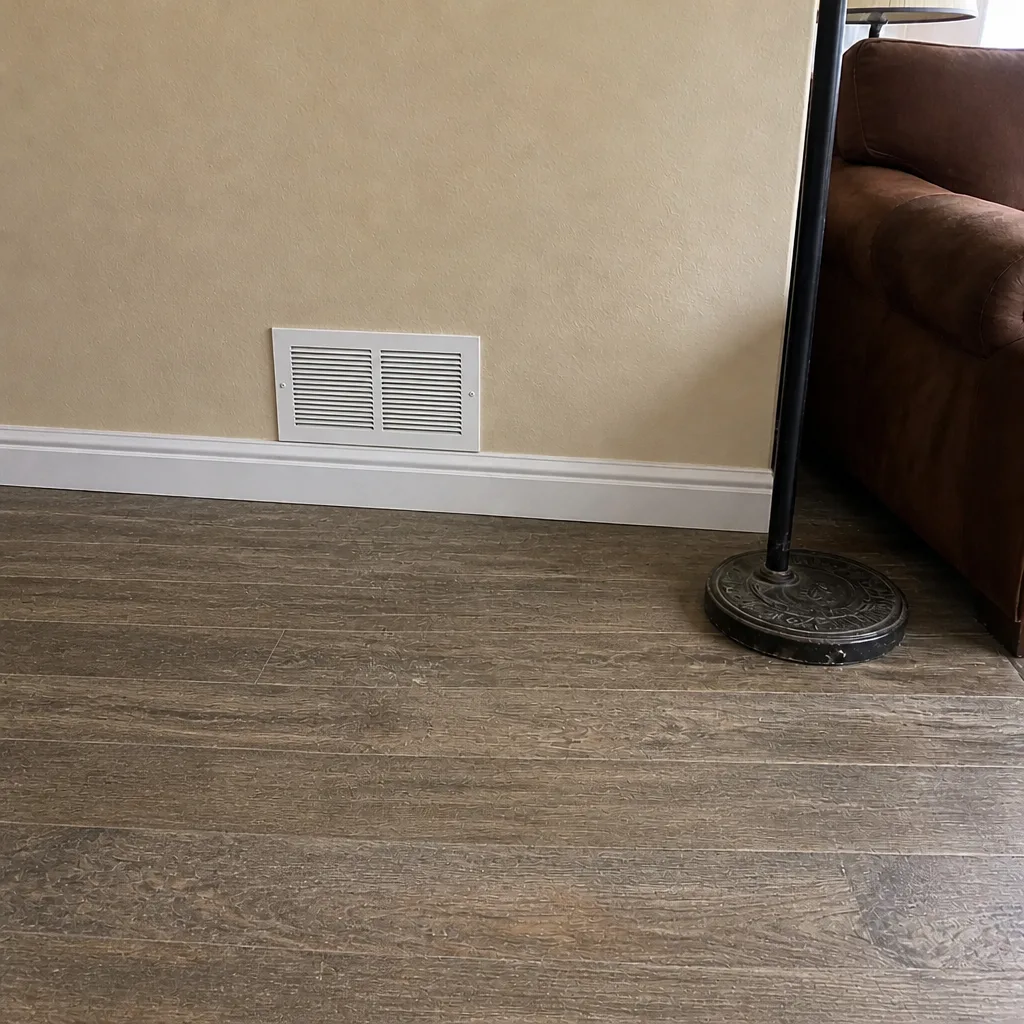
Whole-system duct and dryer vent check with before-and-after photos - you see exactly what came out of your vents
That "$99 whole-house special" is a bait ad - the real number appears once they are in your hallway, or the "clean" is a shop-vac at the register. We photograph the inside of your ducts before and after instead.
Choosing the Right Air Duct Cleaning Brand: A Buyer’s Guide for Odessa
Most homeowners have no way to verify whether a contractor’s equipment can actually do the job they’re quoting. The van shows up, a hose disappears into a vent, and forty-five minutes later someone hands you a bill. What happened in between is invisible. That’s the gap this guide closes. The equipment a duct cleaning contractor runs is one of the most honest signals of how seriously they take the work, and you don’t need a technician’s background to read it. You just need to know a few brand names, what they’re built for, and what questions separate a real answer from a rehearsed one. We’ll walk through the professional equipment tier, what truck-mounted versus portable systems actually mean, how to verify a claim on the day of the job, and why dryer vents deserve their own equipment conversation. By the end you’ll have a concrete checklist for choosing an air duct cleaning brand in Odessa.
Quick Answer
The right air duct cleaning brand is the one running purpose-built, professional-grade extraction equipment – systems like Rotobrush rotary brushes and NIKRO HEPA vacuums – and who will show you that equipment and explain containment on the day of the job, not just post stock photos of it. In Odessa, that distinction matters because dust and caliche grit get pulled into return air all year, and a shop vac with a hose won’t lift what’s settled in the trunk lines. Ask what equipment is coming, how debris is contained, and whether duct repair can be handled in the same visit.
Styles & brands we work with
- Whole-home duct cleaning
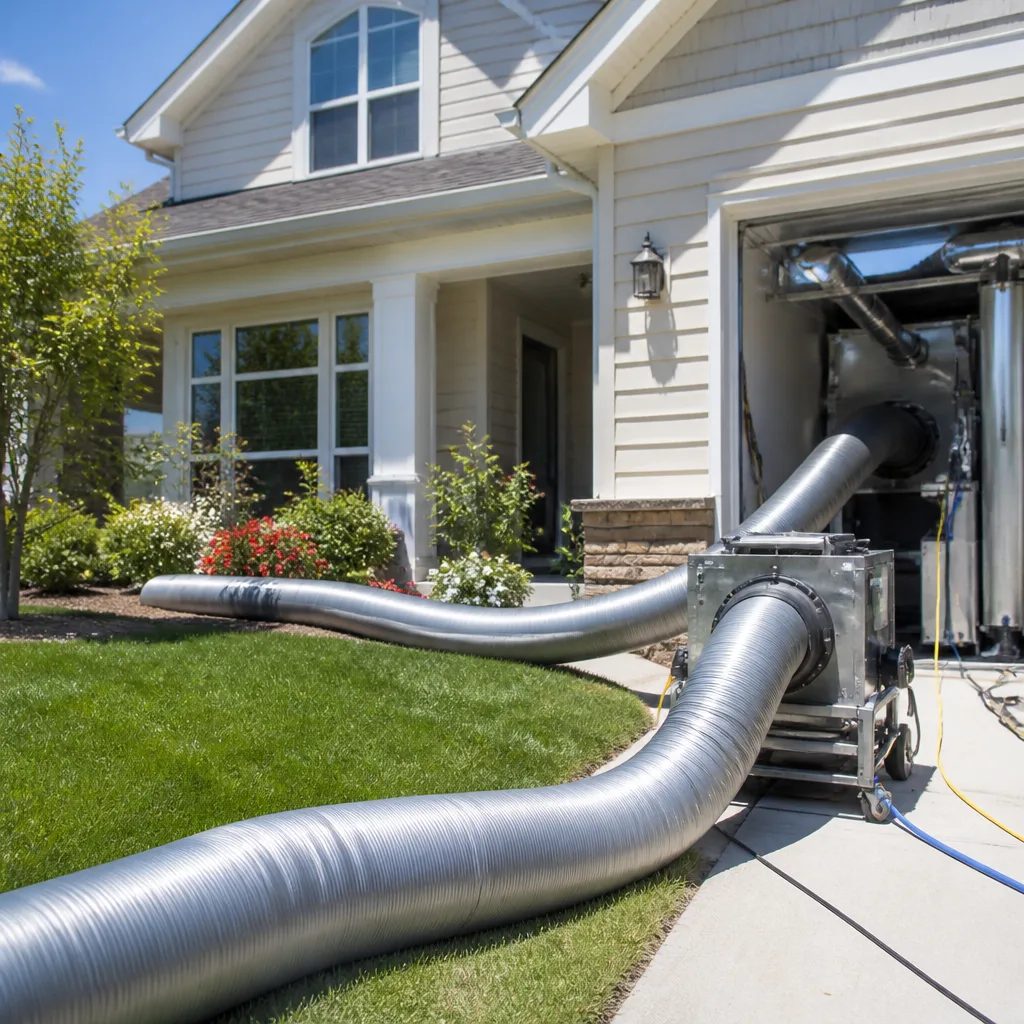
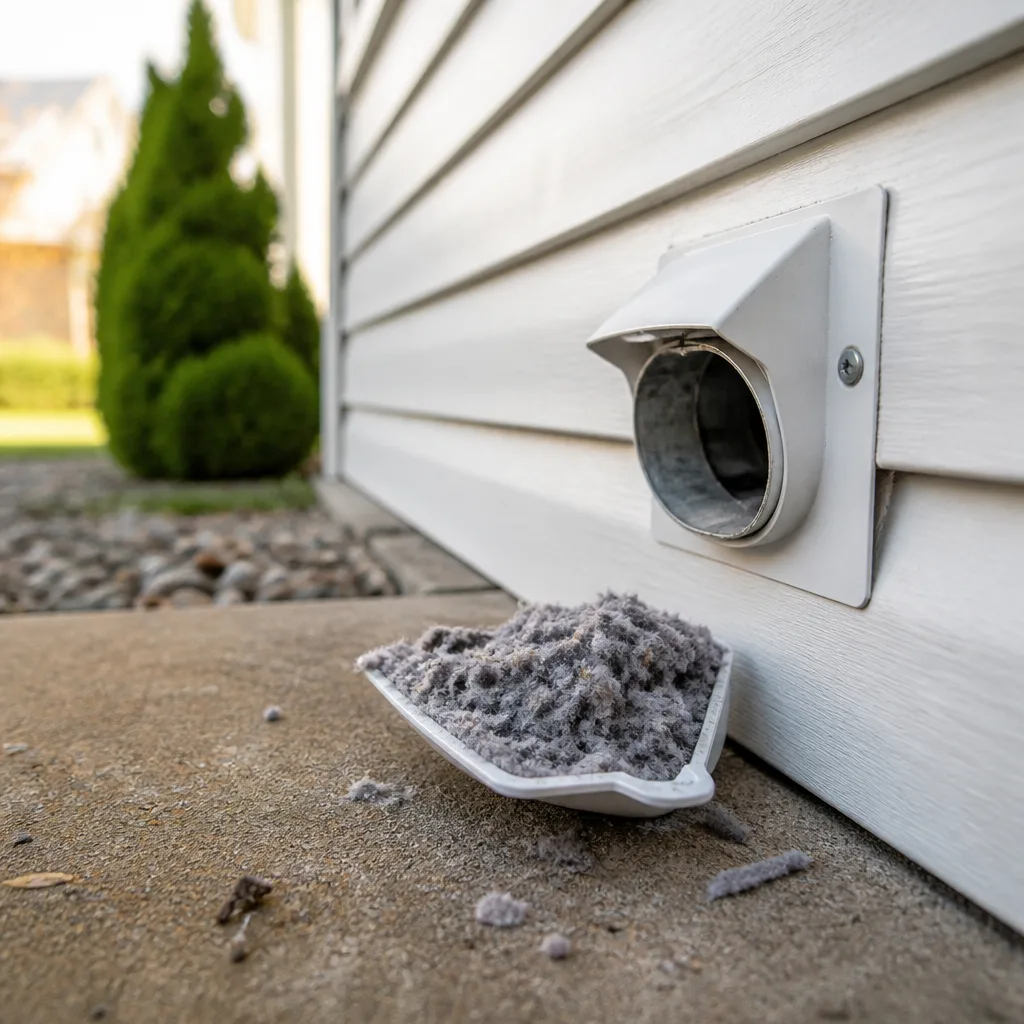
- Dryer vent cleaning
- Camera inspection
- Sanitizing & deodorizing
Table of Contents
- What Separates Professional Duct Cleaning Equipment from Consumer Gear?
- The Equipment Brands Worth Knowing: Rotobrush, NIKRO, and Abatement Technologies
- Truck-Mounted vs. Portable Vacuums: What the Difference Means for Your Home
- How to Verify a Contractor’s Equipment Claim
- Why Dryer Vent Cleaning Needs Its Own Equipment
- Honeywell and Aprilaire: What Whole-Home Air Quality Brands Tell You
- What Equipment Investment Signals About a Contractor
- How Odessa Conditions Shape the Equipment You Should Ask About
What Separates Professional Duct Cleaning Equipment from Consumer Gear?
The difference isn’t cosmetic. Professional duct cleaning equipment is engineered around three demands that consumer gear simply doesn’t face: sustained airflow through long duct runs, containment of everything it lifts, and mechanical agitation that actually reaches the duct walls. A shop vacuum from a hardware store can create suction at the nozzle. It cannot hold negative pressure across an entire duct system while a rotary brush works the far end of a twenty-foot trunk line. That’s the job. The equipment tier exists to do that job without spreading debris through the house.
Three things define the professional tier:
- Airflow capacity. Professional vacuums are rated to move enough cubic feet per minute to keep debris suspended and moving toward the collection point. Household vacuums lose that capacity the moment a hose is attached.
- HEPA-rated filtration. The vacuum is only half the system; the filter is the other half. HEPA filtration traps fine particulate at the exhaust so it doesn’t redistribute into living space. Consumer units rarely hold a true HEPA rating under load.
- Mechanical agitation. Suction alone doesn’t dislodge what’s bonded to duct walls. Rotary brush systems spin a bristle head through the run to break the layer loose so the vacuum can carry it away.
In our experience, the equipment question is where a quote either gets specific or gets vague. A contractor running professional-grade systems will name them without hesitation because the names are the proof. Someone improvising will talk around the question. That’s your first read on the company, and it costs nothing to take it.
The Equipment Brands Worth Knowing: Rotobrush, NIKRO, and Abatement Technologies
You don’t need to memorize a catalog. You need three names and a rough sense of what each one does, because those names are the vocabulary of a straight answer. When you ask “what equipment are you bringing?” a professional will answer in these terms. When the answer is “we’ve got a machine,” keep asking.
Rotobrush is the name most associated with rotary brush duct cleaning. The system drives a spinning brush head through duct runs via a flexible cable, agitating the duct wall while a vacuum pulls debris out. It’s purpose-built for residential ductwork, which is why it shows up across certified indoor air quality contractors rather than in rental yards. If a contractor mentions Rotobrush, ask whether the full rotary system is in the vehicle or just the vacuum.
NIKRO builds HEPA-rated vacuum and containment equipment for restoration and indoor air quality work. NIKRO units are the extraction side of the operation – the part responsible for capturing what the brush loosens and keeping it inside the machine. HEPA-rated extraction is what keeps a cleaning job from turning into a redistribution job.
Abatement Technologies is a containment-focused manufacturer whose equipment appears in serious indoor air quality and remediation work. In duct cleaning terms, Abatement equipment signals that the contractor thinks about containment as a discipline rather than an afterthought. When a company carries that tier of equipment, it’s usually prepared for jobs that go sideways: heavy debris loads, compromised duct sections, or a renovation that left construction dust throughout the system. If you’ve just finished remodeling, that matters. Our air duct cleaning work routinely runs into exactly that situation.
One caveat worth saying plainly: brand names on a website are marketing. Brand names on the vehicle, with the equipment visible and the technician able to explain it, are evidence. Hold the distinction.
Truck-Mounted vs. Portable Vacuums: What the Difference Means for Your Home
This is the question most homeowners don’t know to ask, and it’s often the one that explains a price gap between two quotes. Truck-mounted vacuums run off a large power unit in the vehicle, generating substantially more airflow and vacuum pressure than a portable unit can. Portable systems are self-contained units carried into the home. Both are legitimate. Neither is automatically right for every house.
Here’s how the tradeoffs actually line up:
- Truck-mounted strength. Higher airflow and pressure mean longer duct runs get cleaned more completely and heavy debris loads clear faster. If your home has an extended duct layout or a system that hasn’t been cleaned in a long time, the capacity advantage is real.
- Truck-mounted limitations. The hose has to reach the system, which can mean long runs through the house and less flexibility in tight or multi-story layouts. Access can be a genuine constraint.
- Portable flexibility. Portable units go where the truck can’t, work well in smaller homes, and give the technician room to set up containment right at the register. The tradeoff is airflow capacity.
- The containment factor. A powerful vacuum without HEPA filtration and proper containment can move more air and release more fine dust. The best setup pairs strong extraction with genuine filtration.
The practical takeaway: a contractor should be able to tell you which system they’re bringing and why, based on your home’s layout and your duct system. In Odessa, where homes range from older single-story layouts with long trunk runs to newer builds with tighter, more complex duct routing, that’s a real planning question rather than boilerplate. If the answer is the same for every house on the block, you’ve learned something about the company.
How to Verify a Contractor’s Equipment Claim
Verification is mostly about asking questions in the right order and paying attention to whether the answers get more specific or less. Legitimate contractors don’t mind this. They’ve made the capital investment and the equipment is sitting in the driveway. Follow these steps before you book:
- Ask what specific equipment will arrive. “What make and model vacuum and brush system are you bringing?” A professional answers with names. A vague answer is information.
- Ask how debris is contained. Look for a real answer about negative pressure, sealed register connections, and HEPA filtration at the exhaust.
- Ask whether the equipment is on the vehicle or scheduled separately. Some companies subcontract or rent. That’s not automatically disqualifying, but you should know.
- Ask to see the equipment when it arrives. Before work starts, ask the technician to show you the vacuum and the brush head. A professional will walk you through it.
- Ask for before-and-after photos of your own ducts. Not stock images. Photos taken during your job, of your system. This is the single most concrete proof that work happened.
- Ask what happens if the ductwork is damaged. Equipment capability and repair capability are different skills. A company that can identify a torn boot or a disconnected run and fix it in the same visit saves you a second appointment entirely.
Website photos of gleaming equipment are worth roughly nothing on their own. Every company can buy a stock image. The verification happens at your door, and any contractor confident in their setup will welcome the question. If you want a straightforward starting point, our duct cleaning Odessa team is glad to walk you through what we’d bring to your specific system.
Why Dryer Vent Cleaning Needs Its Own Equipment
Dryer vent cleaning is not a duct cleaning side project bolted onto the same hose, and treating it that way is how lint gets left behind. Dryer vents are long, narrow, and full of elbows. Lint packs into those turns and compacts against the wall of the pipe. A vacuum alone pulls the loose material and leaves the packed layer in place. That’s the failure mode most homeowners never see, because the vent is out of sight.
Dedicated equipment changes the outcome:
- Rotary brush systems sized for the vent. Purpose-built dryer vent brushes run the full length of the pipe and mechanically break up compacted lint from the walls, not just the surface.
- Air-driven and rod-driven whip systems. These navigate elbows that a straight brush or hose can’t reach, which is where lint accumulates most aggressively.
- Improvised attachments. A shop vac with a length of flexible hose qualifies as an improvised attachment. It can pull surface material. It cannot clear a compacted elbow run.
Why this belongs in a buyer’s guide about equipment: dryer vent cleaning addresses a leading cause of residential house fires, so the difference between a real cleaning and a partial one isn’t a comfort issue. It’s a safety one. In Odessa, where laundry runs year-round and vents often terminate through long exterior runs, the completeness of the clean is the whole point of paying for it. Ask specifically what tool goes into the vent. Our dryer vent cleaning service exists precisely because that job deserves its own equipment rather than a borrowed hose.
Honeywell and Aprilaire: What Whole-Home Air Quality Brands Tell You
Duct cleaning is one piece of indoor air quality, not the whole picture. The equipment a contractor runs tells you how they clean. The other brands they work with tell you whether they understand the system around the ducts. Honeywell and Aprilaire are recognizable names in whole-home air quality: filtration, humidification, and the controls that manage air movement through the house. A contractor familiar with those systems knows how a media cabinet, a bypass humidifier, or an air cleaner interacts with the ductwork they’re cleaning.
That familiarity shows up in small, practical ways. A technician who understands Aprilaire filtration knows to inspect the cabinet and the filter seating, not just the duct interior. Someone familiar with Honeywell controls knows that a system running continuously during cleaning can pull disturbed dust back into living space, and plans the job accordingly. These are details you notice only if you know the equipment.
None of this means the duct cleaner has to service every air quality component in your home. It means they should be able to look at your system and tell you what they see, what’s outside their scope, and who to talk to for the rest. When a company can’t name the filtration brand in your own mechanical closet, that’s your answer about depth.
What Equipment Investment Signals About a Contractor
Professional-grade duct cleaning equipment costs real money. That cost is the reason it functions as a signal. A contractor who has committed capital to a Rotobrush rotary system, a NIKRO HEPA vacuum, and containment equipment has already made a bet on doing this work at a certain standard. A contractor running borrowed or improvised gear has made a different bet. That difference tends to carry through the whole job, from how the drop cloths go down to whether anyone answers the phone when something goes wrong.
It’s not a guarantee. Equipment doesn’t clean ducts; people do, and a careless operator with good tools still does careless work. But the equipment tier sets the ceiling on what’s achievable. No technician can lift what the vacuum can’t move, and no amount of care compensates for a hose that loses pressure at fifteen feet. You’re not just buying the tool. You’re buying a company’s decision to invest in the tool, which is usually a decent proxy for how they think about the rest of the job.
This is why we operate professional-grade equipment rather than consumer substitutes. Not because the names are impressive, but because the work doesn’t happen without them. Our technicians have up to 10 years of experience, and in our experience the jobs that go wrong are almost always jobs where someone brought the wrong machinery to the house. Ask about the equipment before you ask about the price. It reframes the whole conversation.
How Odessa Conditions Shape the Equipment You Should Ask About
Odessa sits in the Permian Basin, and that shapes what ends up in a home’s ductwork. Wind-driven dust and fine caliche grit are part of daily life here. So are cottonwood and other seasonal pollen loads, and the occasional dust event that coats every horizontal surface in a house. A duct system in Odessa doesn’t just collect ordinary household dust. It collects a mineral-rich particulate load that settles differently and packs harder than the lint and dander you’d find in a wetter climate.
That has equipment implications worth knowing:
- Dust chemistry. Fine grit settles into return-air plenums and trunk lines. It’s heavier than ordinary dust, and lower-airflow equipment tends to stir it rather than extract it. Airflow capacity matters more here.
- Allergy season. Pollen loads push homeowners to look at duct cleaning in spring. That’s fine, but the job doesn’t change with the season; the equipment requirement doesn’t either.
- Renovation fallout. Drywall dust and construction debris are heavier still, and a system that ran during a remodel needs containment-level equipment, not a surface pass.
- Aging ductwork. Older homes in Odessa often have duct runs that have loosened at the joints or torn at the boots over time. A cleaning job on compromised ductwork spreads debris instead of removing it, which is why repair capability matters.
The reason we offer air duct repair alongside cleaning is simple. We’d rather identify a torn connection and fix it in the same visit than hand you a problem and a phone number. For a property manager juggling multiple units around Odessa, that’s the difference between one scheduling headache and two. Ask any company you’re considering whether they can repair what they find. The answer tells you how they’ve structured their business.
Common Mistakes to Avoid
- Choosing on price alone. The cheapest quote is frequently the one with the least equipment behind it. Ask what’s coming to the house before you compare numbers, because a low price and a capable job are often not the same bid.
- Accepting website photos as proof. Equipment pictures on a homepage prove that someone has a camera. Ask to see the actual machine when it arrives, and ask for photos of your own ducts before and after.
- Assuming the dryer vent is included. Dryer vent cleaning is a separate job with separate equipment, and it’s often skipped. Ask explicitly whether it’s part of the quote.
- Skipping the containment question. In a dusty climate like Odessa’s, a powerful vacuum without HEPA filtration can push fine particulate into living space. Ask how debris is contained, not just how it’s removed.
- Not asking about repair capability. A company that only cleans will find a torn duct and leave it torn. Ask up front whether repair happens on the same visit.
- Ignoring the system around the ducts. If nobody on the job can identify your filtration or humidification equipment, you’re getting a partial view of your air quality.
- Booking without a written, itemized quote. Get the scope in writing: what’s cleaned, what equipment is used, what’s excluded, and what the price covers. Verbal estimates shift.
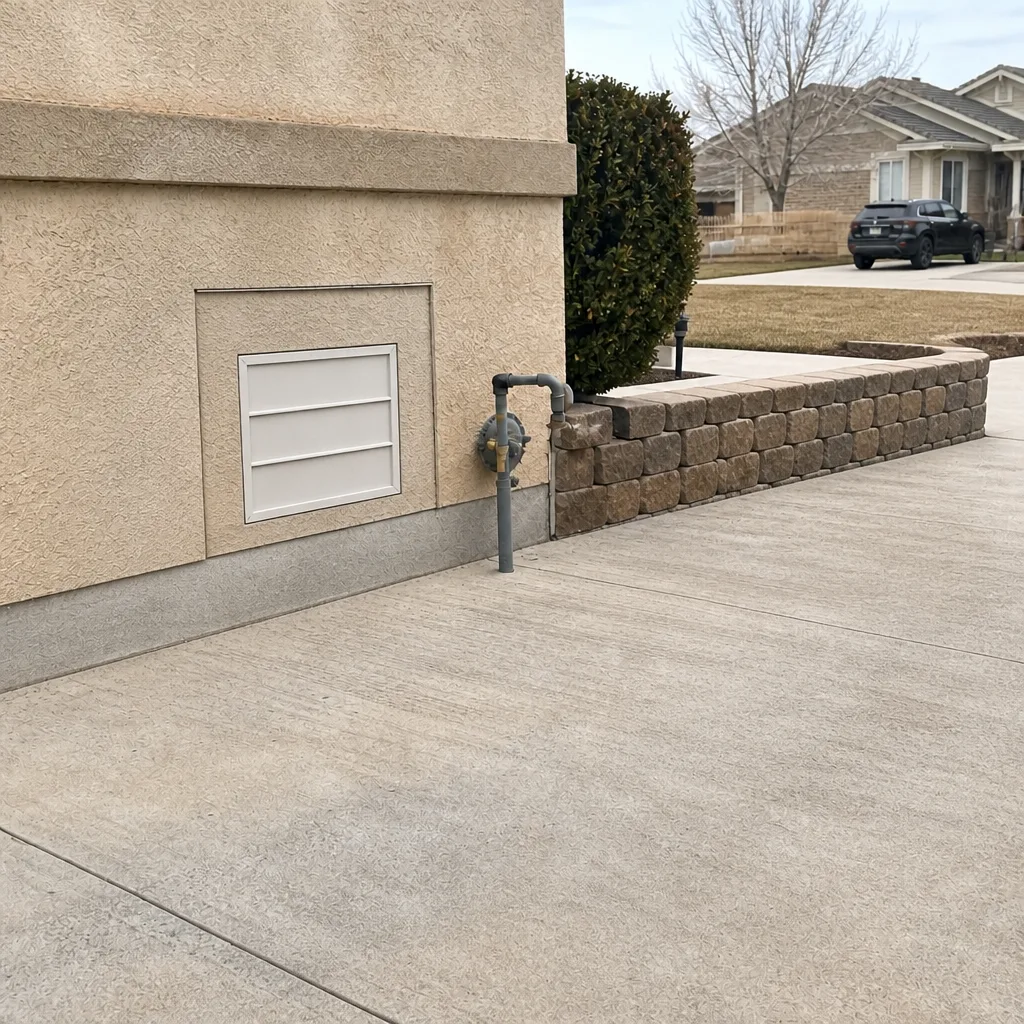
See the difference
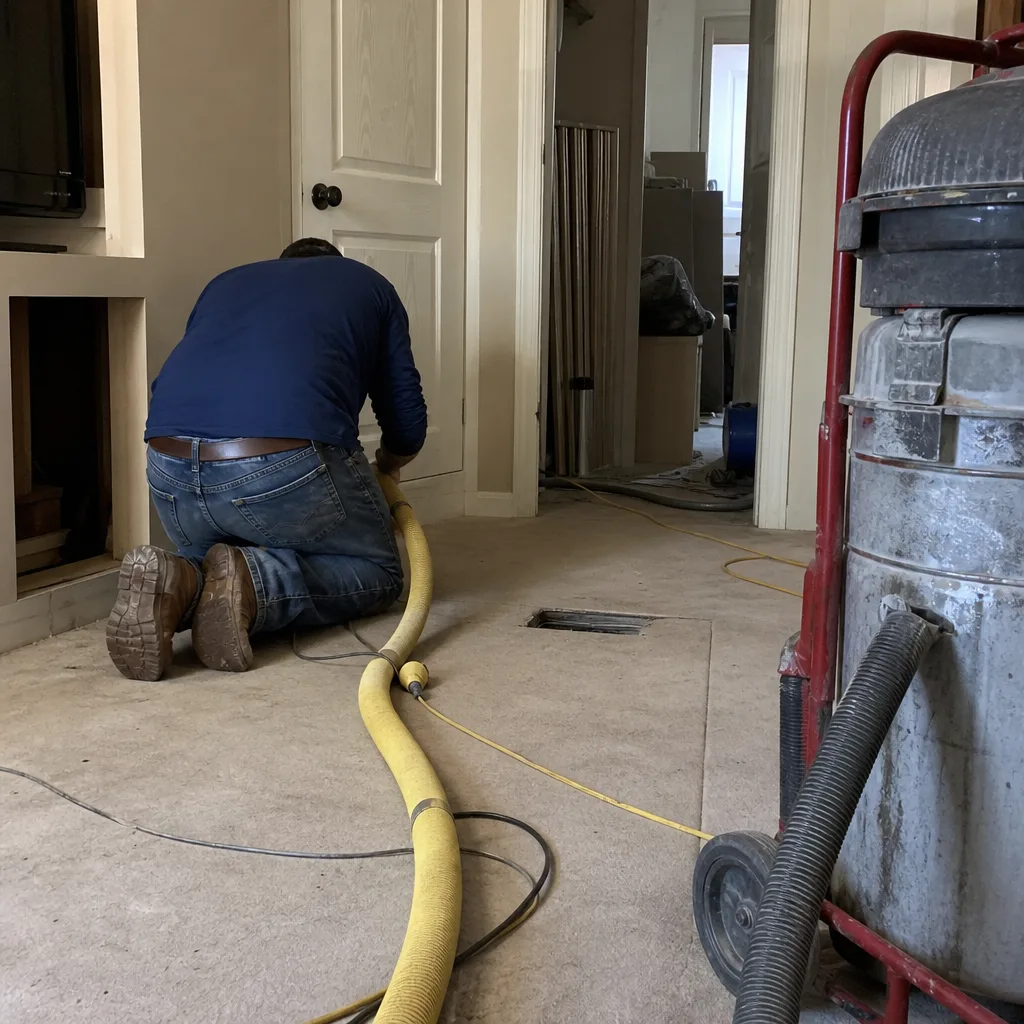 Before
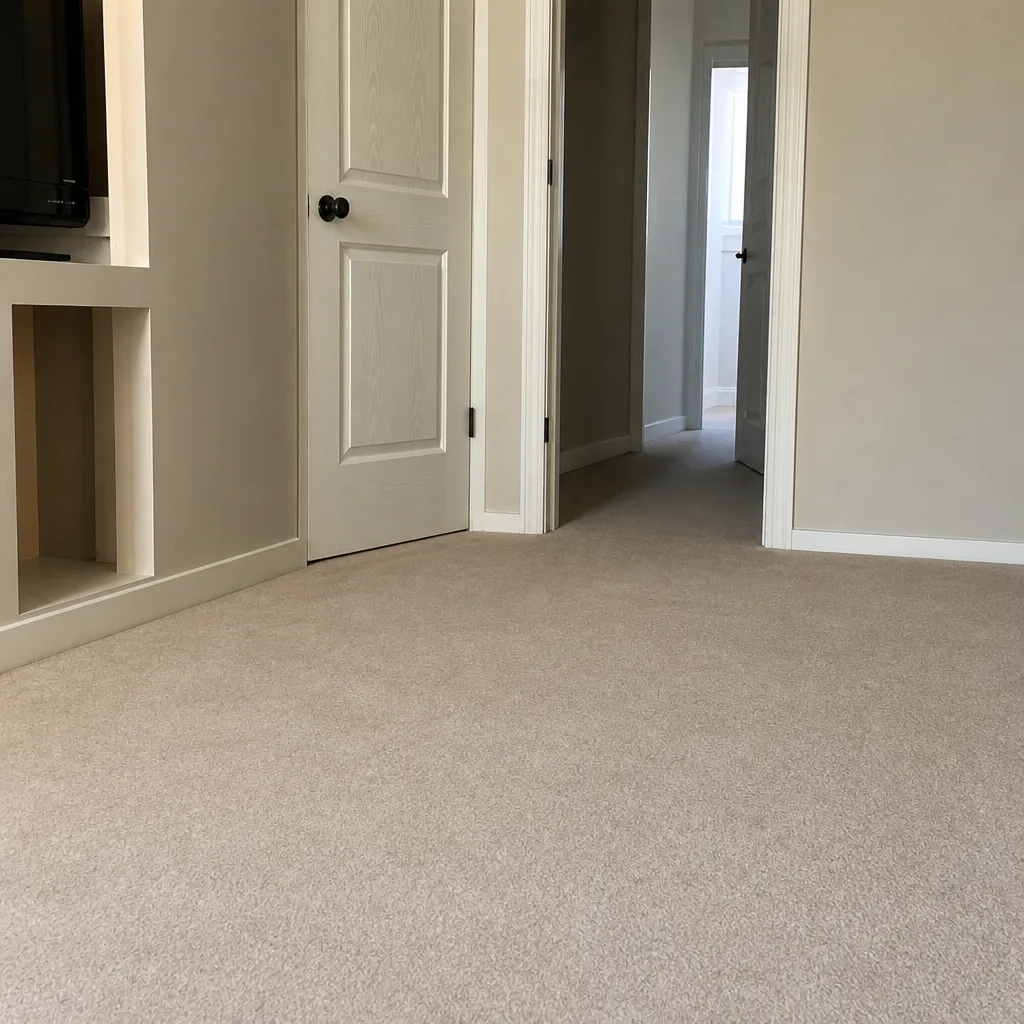 After
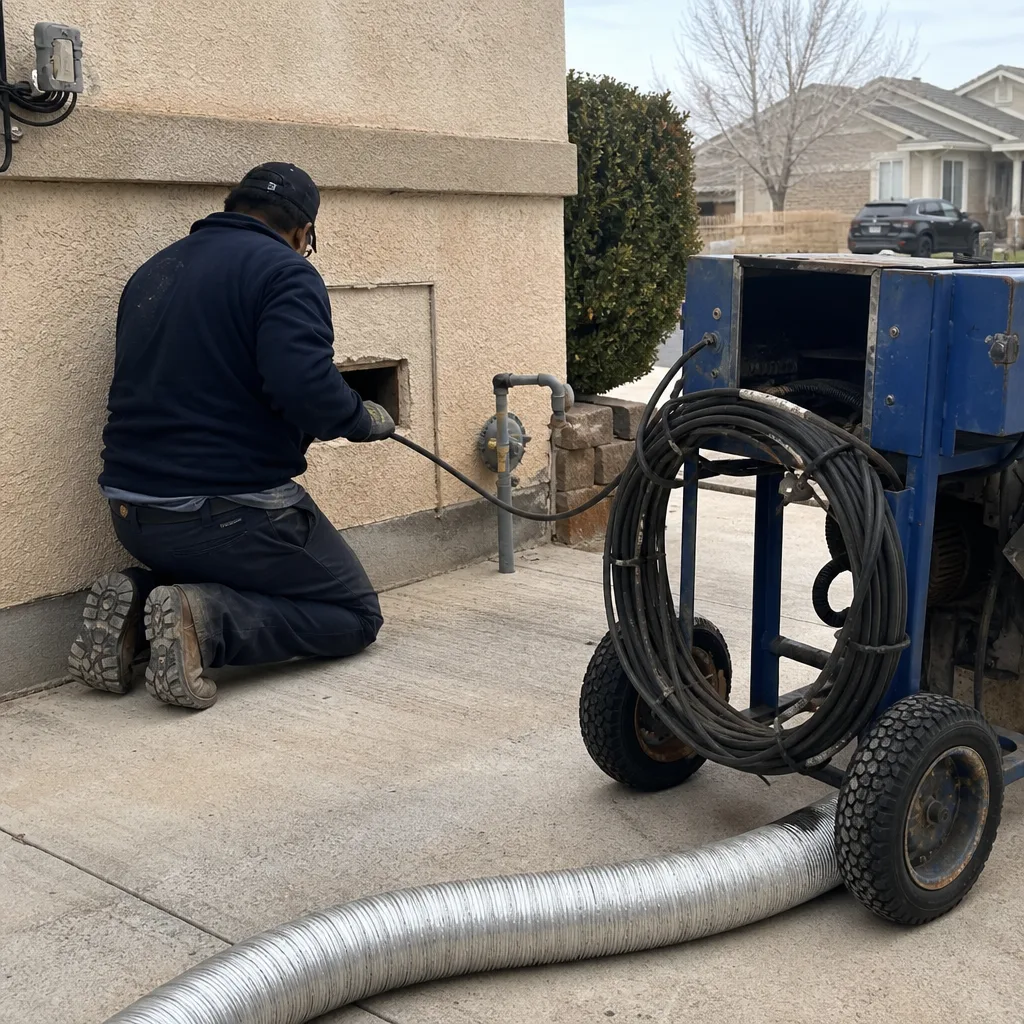 Before
 After
 Before
 After
When to Call a Professional
Some situations call for a professional without much debate. If you’ve recently finished a renovation and the HVAC ran during construction, drywall dust has likely settled throughout the system and needs contained extraction rather than a household vacuum. If anyone in the home has persistent allergy or respiratory symptoms that worsen indoors, a duct inspection is a reasonable next step. If you can see visible debris or dust blowing from a register when the system kicks on, something is compromised. If your dryer takes two cycles to finish a load, the vent is a likely culprit and worth clearing. If you’re a property manager turning over units, scheduling cleaning and inspection between tenants catches duct damage before it becomes a complaint. And if your system hasn’t been looked at in years, an inspection tells you what you’re actually dealing with. Duct Cleaning Odessa offers free estimates in Odessa – call (833) 749-5958. We answer 24/7. Fast dispatch from 7am to 7pm, Sunday through Friday.
Frequently Asked Questions
Ask about Rotobrush, NIKRO, and Abatement Technologies, because those three cover the core of a professional setup – rotary brush agitation, HEPA-rated extraction, and containment-level capability. A contractor running that tier will name the equipment readily and can explain what each piece does on your system. If the answer stays vague, that’s your signal to keep looking.
No. Truck-mounted vacuums generate more airflow and pressure, which helps on long duct runs and heavy debris loads, but the hose reach can limit access in some layouts. Portable units offer flexibility and better setup in tight spaces, at the cost of capacity. The right answer depends on your home’s duct layout, and a professional should be able to tell you which they’re bringing and why.
Ask for before-and-after photos of your own duct interiors, taken during the job, plus a walkthrough of the equipment and the access points used. A contractor confident in the work will offer this without being asked. Photos of your system are the only proof that isn’t interchangeable with any other job.
Dryer vents are narrower, longer, and full of elbows, and lint compacts against the pipe wall in ways a vacuum alone won’t break loose. Dedicated rotary brush and whip systems are sized to run the full vent length and clear those turns. An improvised attachment pulls surface lint and leaves the packed layer, which is the part that matters for fire risk.
There’s no universal number, and anyone quoting one without looking at your system is guessing. In Odessa’s dust and pollen environment, homes near active construction, homes with pets, and homes that have been through a renovation tend to need attention sooner. A visual inspection is the honest way to decide, and it’s usually free.
It can if the company offers repair as a service rather than just cleaning. Torn boots, disconnected runs, and loose joints are common findings, and fixing them on the same visit avoids a second appointment and prevents debris from spreading into the repair gap. Ask before you book whether repair is in scope.
The Bottom Line
The equipment a duct cleaning company runs is the most concrete thing you can evaluate before you hire them. Rotobrush rotary systems, NIKRO HEPA extraction, and Abatement Technologies containment gear tell you the company invested in doing the work at a professional standard. Truck or portable matters less than whether the contractor can explain the choice for your home. Verification happens at your door, not on a website: ask what’s arriving, ask to see it, and ask for photos of your own ducts. Add repair capability and dedicated dryer vent equipment to the checklist, and the brand decision gets a lot simpler. Call (833) 749-5958. We answer 24/7. Fast dispatch from 7am to 7pm, Sunday through Friday.
Written by the team at Duct Cleaning Odessa.