
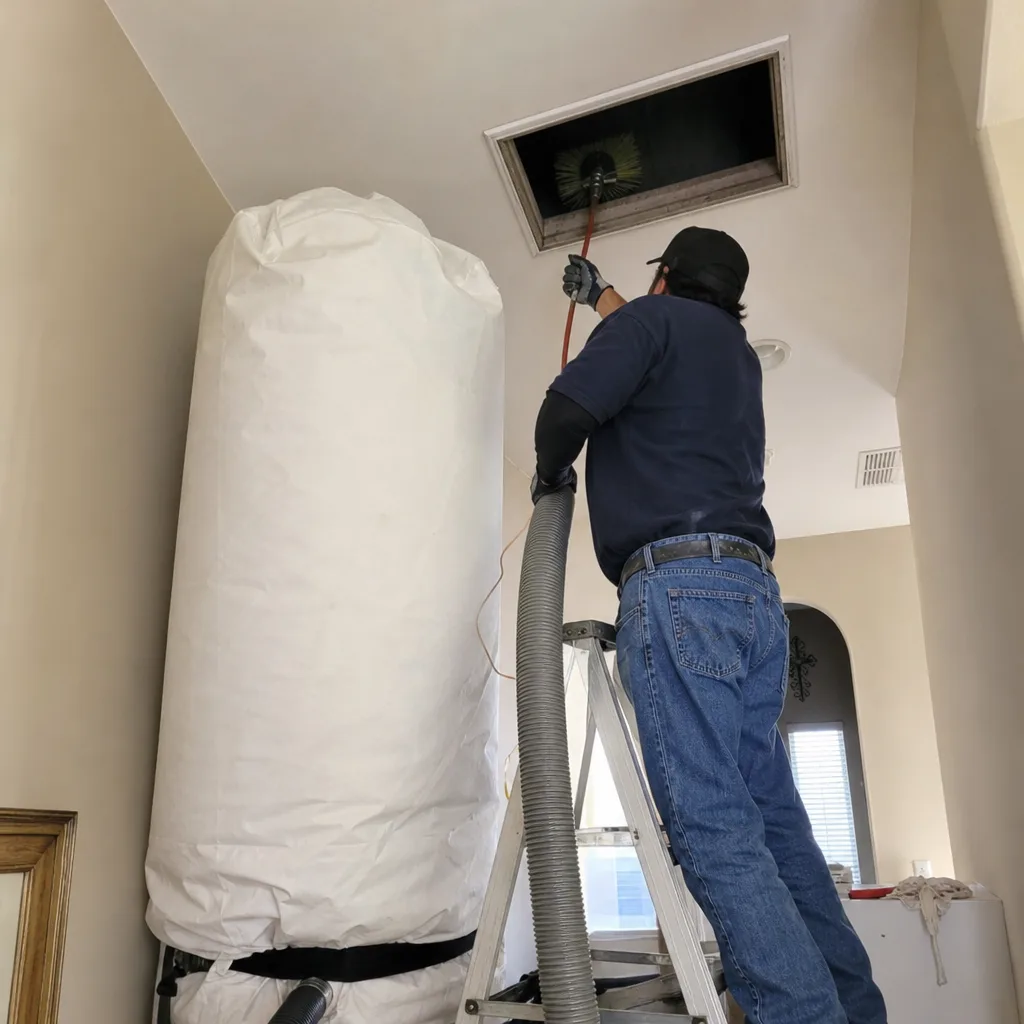
Last updated November 16, 2026
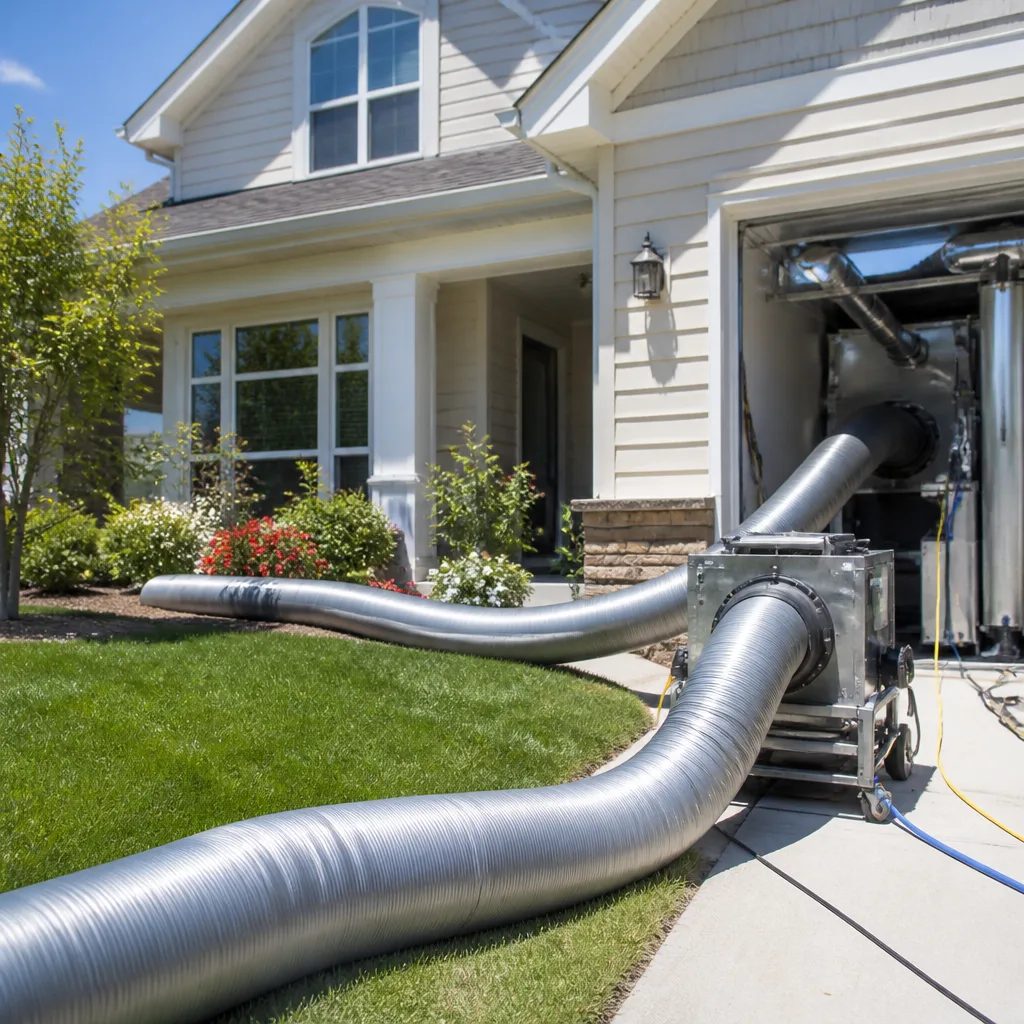 Whole-home duct cleaning
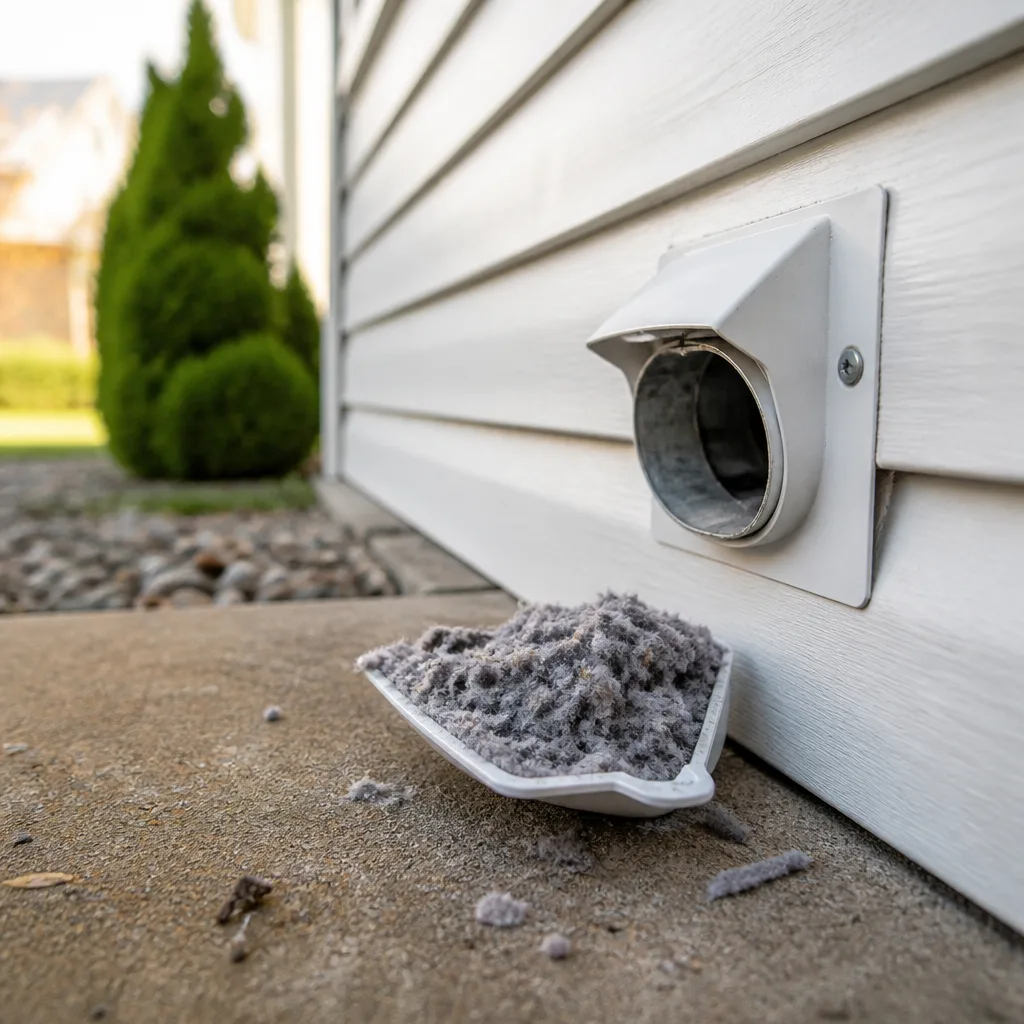 Dryer vent cleaning
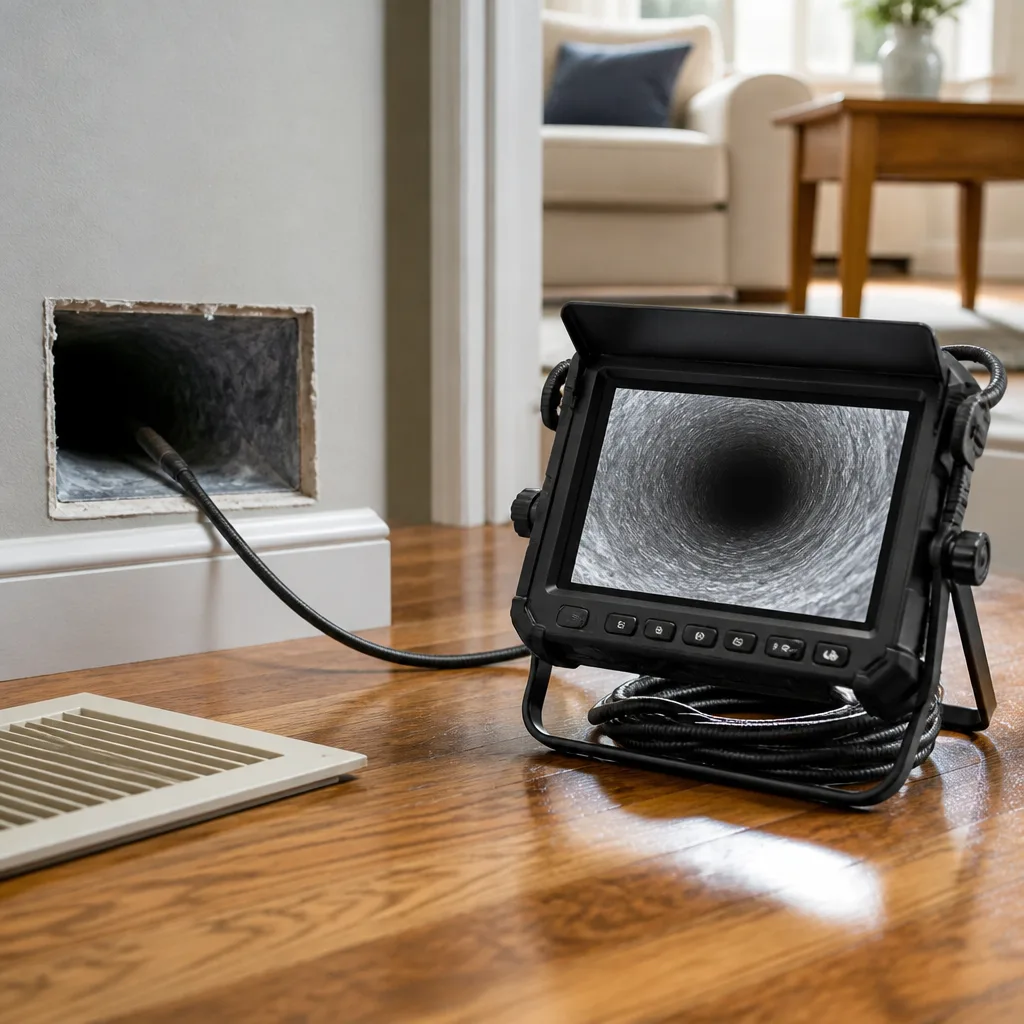 Camera inspection
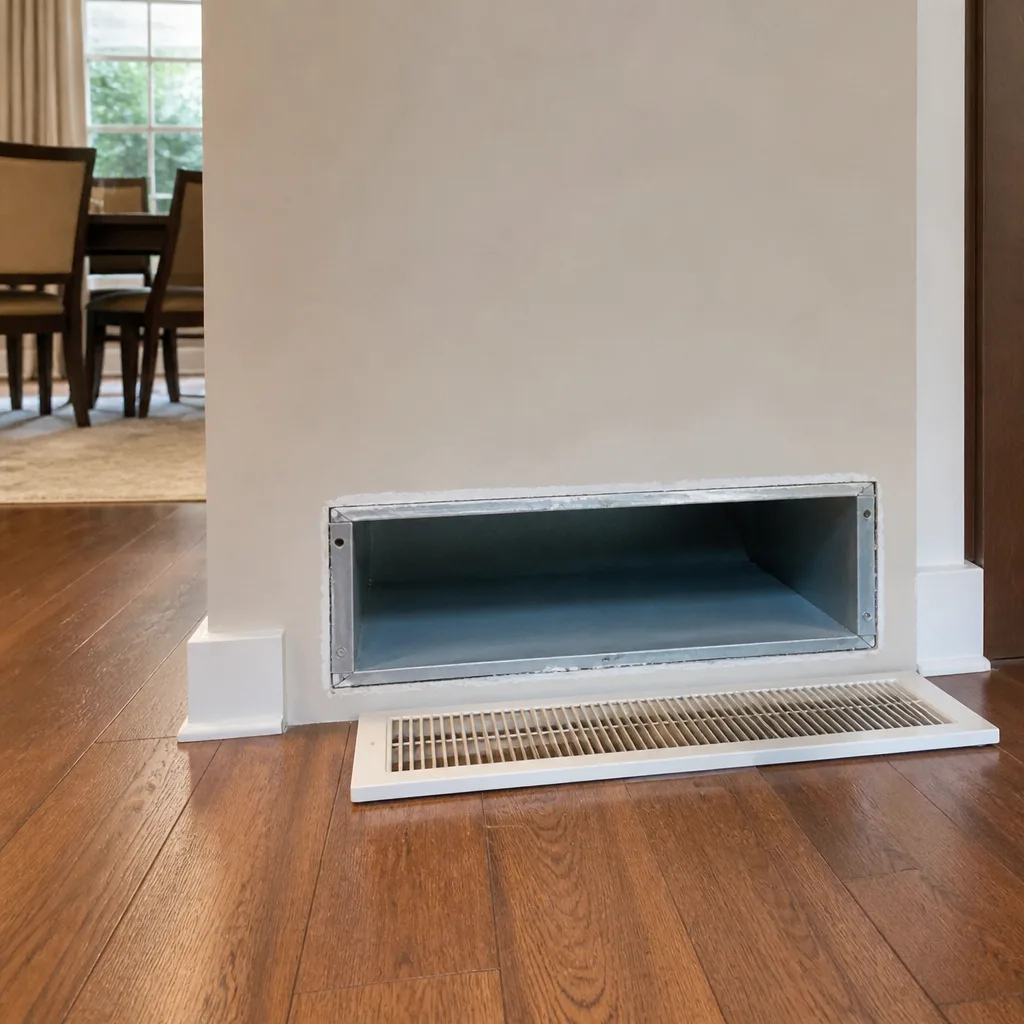 Sanitizing & deodorizing
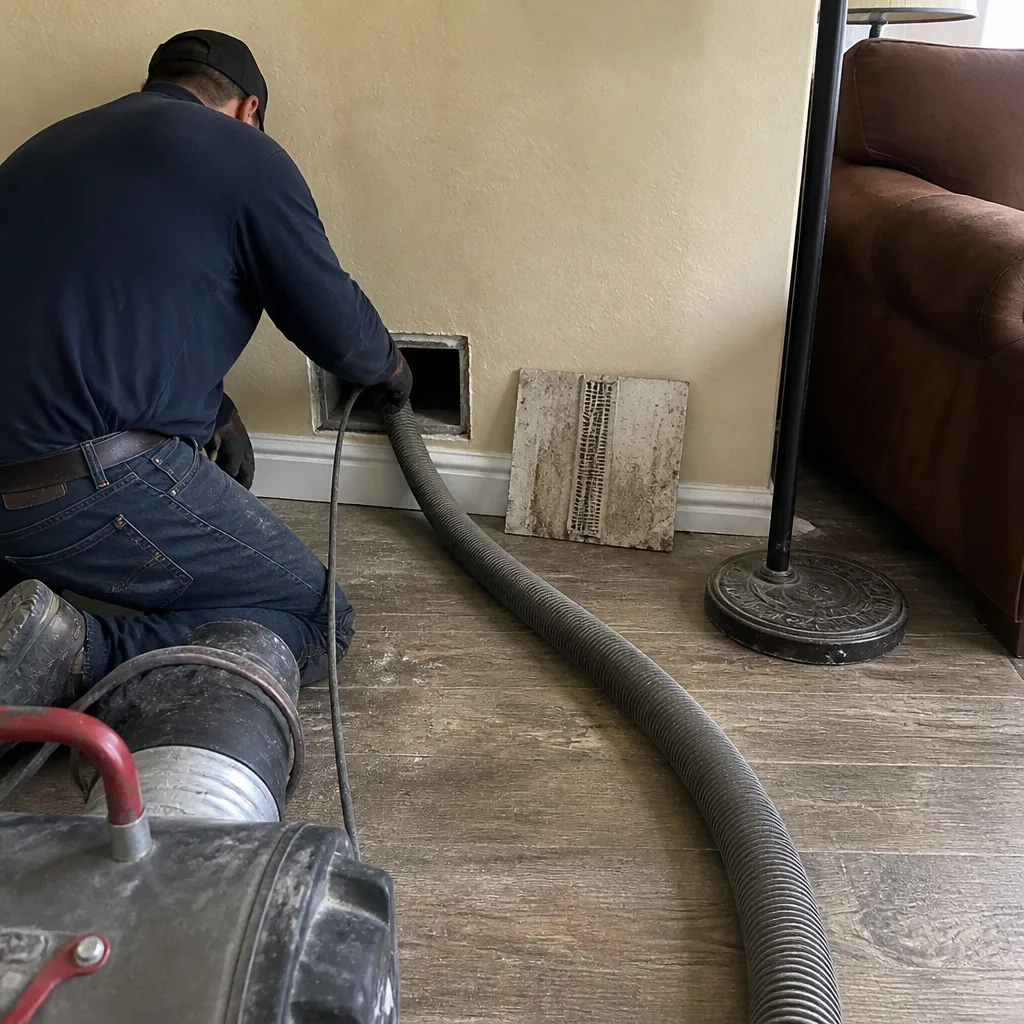
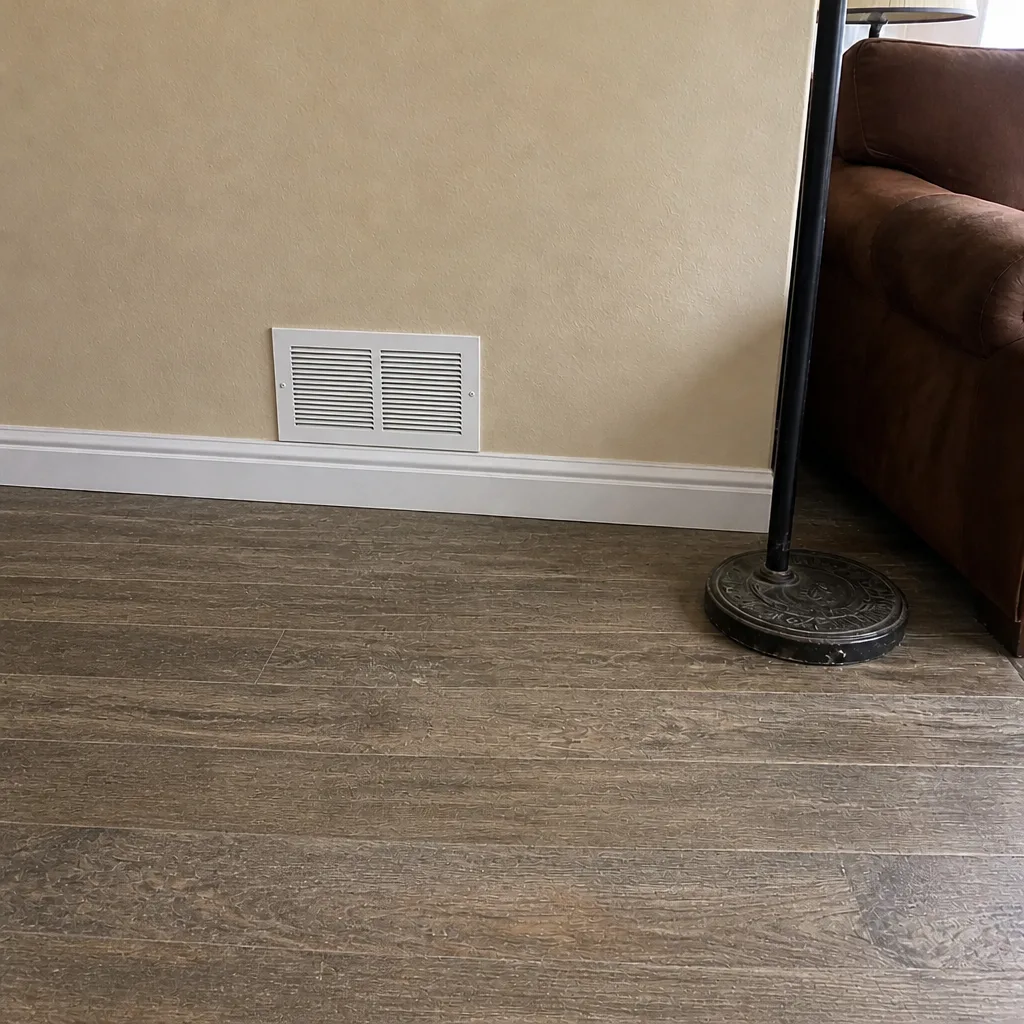
Whole-system duct and dryer vent check with before-and-after photos - you see exactly what came out of your vents
That "$99 whole-house special" is a bait ad - the real number appears once they are in your hallway, or the "clean" is a shop-vac at the register. We photograph the inside of your ducts before and after instead.
Air Duct Repair Troubleshooting in Odessa: Common Problems and How to Fix Them
A duct that’s only 15% disconnected can cut your system’s delivered airflow nearly in half, and it won’t trigger your thermostat or throw an error code. It just runs invisibly, year after year, while one room bakes and another freezes and your electric bill creeps up. Most homeowners blame the AC unit itself. The ductwork never gets a look. In this guide we’ll walk through the actual failure patterns we see in Odessa homes and how to tell a disconnected run from a collapsed flex duct from a leaking plenum, what you can check yourself, what needs a professional with a duct blaster or camera, and why turning up the fan is often the worst thing you can do.
Styles & brands we work with
- Whole-home duct cleaning
- Dryer vent cleaning
- Camera inspection
- Sanitizing & deodorizing
Quick Answer
Most air duct repair problems in Odessa trace back to three failures: disconnected joints, collapsed flex duct, and leaking plenums at the air handler. Each one produces a different symptom fingerprint. Disconnected ducts cause hot rooms and low register airflow, collapsed flex duct chokes a single run, and a leaking plenum shows up as dust everywhere plus a rising electric bill. You can spot-check register airflow and temperature split yourself, but finding the exact failure point usually takes a professional duct inspection with proper equipment, because most of the damage is hidden in the attic or under the slab.
Table of Contents
- The Symptom Map: Matching the Problem to the Failure
- Three Failures, Three Fingerprints
- Why West Texas Dust Attacks Duct Joints Faster
- Odessa Slab Homes and Pressure Imbalance: Which Rooms Go First
- What You Can Safely Check Yourself
- What a Professional Does That You Can’t
- Why “Blowing Harder” Makes a Disconnected Duct Worse
- Repair or Replace? Making the Call
- Common Mistakes to Avoid
- When to Call a Professional
- Frequently Asked Questions
- The Bottom Line
The Symptom Map: Matching the Problem to the Failure
Air duct troubleshooting starts with a simple discipline: read the symptom before you guess the cause. In Odessa, the symptoms aren’t random. They cluster in patterns tied to how the home was built and what the summer heat does to the duct system. Once you know which symptom points to which failure, you skip the speculation.
Here’s how the mapping works in practice:
- One or two rooms stay hot while the rest cool fine points to a disconnected branch duct or a crushed run serving those rooms.
- Every room feels weak, and the electric bill is climbing points to a leaking plenum at the air handler or a major trunk disconnection.
- Dust settles everywhere, faster than usual points to suction pulling air through gaps before it ever reaches the filter.
- A single room whistles or hisses points to a kinked or partially collapsed flex duct forcing air through a restriction.
- Musty smell when the blower starts points to a disconnected run pulling attic or soil air into the return.
The reason this mapping works is that your duct system is a pressure system. Any leak changes pressure at every register downstream of it. A disconnected duct on one branch steals airflow from every other register on that trunk. This is exactly why one disconnected run can halve delivered airflow system-wide without ever tripping a sensor or setting a code. Your thermostat reads the room where it’s mounted, not what every register is doing. If the thermostat sits in a central hallway that still gets air, it reports “satisfied” while the west bedroom runs five degrees hotter. The equipment looks fine from the control panel. The problem lives in the ducts. A proper air duct cleaning and inspection visit is often where these hidden leaks get found, because a technician inside the system can see the joints, not just the register grilles.
Three Failures, Three Fingerprints
Three duct failures account for most of what we diagnose in Odessa homes. Each one behaves differently, and knowing the difference saves you from buying the wrong fix. Here’s the breakdown:
1. Disconnected Duct
A disconnected duct is a run that has physically come apart at a joint, usually where a flex duct meets a boot or where two sections were taped or strapped together. The symptom is a specific room or set of rooms that never quite cool, no matter what you set the thermostat to. Airflow at that register is dramatically lower than the rest. You may also feel warm attic air leaking out around the register frame, because the duct has separated and the boot is now pulling from the attic instead of the supply trunk.
2. Collapsed Flex Duct
Flex duct is the silver-lined corrugated stuff used in most attic runs. It collapses when it’s stretched too tight around a corner, crushed under a walkway, or simply sags until the inner liner pinches shut. The symptom is a single register that either barely moves air or hisses when the blower runs. Collapse is often invisible from the attic floor because the outer sleeve still looks fine while the inside is shut. Only a camera or a pressure test finds it reliably.
3. Leaking Plenum
The plenum is the box that connects your air handler to the supply and return trunks. Seams in the plenum are frequently taped rather than sealed, and over years that tape fails. The symptom is broad: every room feels a little weak, dust settles faster than it should, and the electric bill climbs because the system runs longer to satisfy the thermostat. A leaking return plenum is worse than a leaking supply, because it pulls dust from the attic or garage directly into the airstream and across the coil. If you’re seeing dust build-up on horizontal surfaces within a day or two of cleaning, the return side is where we look first.
Here’s the fingerprint table in plain terms:
- Disconnected duct = hot room(s) + weak airflow at specific registers + no dust pattern.
- Collapsed flex duct = single register barely moves air + hiss or whistle + normal bills.
- Leaking plenum = high bills + dust everywhere + weak airflow everywhere.
Get the fingerprint wrong and you’ll spend money on the wrong repair. Get it right and the fix is usually straightforward. Duct repair, done properly, means sealing the actual leak, not taping over it and hoping.
Why West Texas Dust Attacks Duct Joints Faster
Odessa sits on alkaline caliche soil, and that soil is the reason duct joints here fail differently than they do in humid climates. Caliche dust is fine, abrasive, and mildly alkaline. When it infiltrates a duct system, it works on the joints continuously rather than seasonally. Humid climates attack duct joints with moisture and biological growth. West Texas attacks them with grit.
Here’s what that looks like on inspection:
- Tape edges lift first. The alkaline dust gets under the edge of duct tape and mastic and gradually breaks the bond. Where a humid climate would show mold at the seam, Odessa shows powder and lifted tape.
- Strap points loosen. Dust grit works into the metal strap and the flex collar, and the joint begins to slip. A duct that was snug ten summers ago is now hanging a half-inch off the boot.
- Filter bypass accelerates everything. A filter that doesn’t seat fully lets dust past it into the return, which pressurizes the plenum and pushes more grit into every downstream joint.
- Seams inside the plenum act like a dust trap. Alkaline grit collects at the seam, and every blower cycle pushes a little more of it through the gap.
In practical terms, this means a duct system in Odessa needs its joint integrity checked more often than a homeowner would guess, and that the repair standard is proper mastic and mechanical fastening, not a fresh wrap of duct tape. Tape alone will lift again within a couple of seasons under this dust load. When we clean a system in Odessa with Rotobrush rotary brush equipment and Nikro HEPA extraction, the joints get looked at while the system is open, which is often how these failures get caught before a homeowner notices the symptom. Cleaning and repair in the same visit isn’t a pitch. It’s the natural sequence when the equipment is already set up and the ducts are already accessible.
Odessa Slab Homes and Pressure Imbalance: Which Rooms Go First
Most of Odessa’s tract housing is built on slab foundations, and that construction detail drives which rooms are most likely to have duct problems. Slab homes route ductwork in two different ways, and each routing has its own failure pattern.
Under-slab duct runs are common in older parts of town. These are the duct runs embedded in or below the concrete. They fail differently: a crack or separation in a slab duct pulls soil and moisture into the airstream, and it’s harder to access. Symptoms include musty smell at specific registers, dust patterns localized to the rooms served by the slab run, and cool-but-humid air in those rooms.
Attic-routed duct runs are more common in newer construction. These fail at the joints, at the flex connections, and along the runs where they’re compressed against trusses. Attic routing is where the “one room is hot” symptom comes from most often.
Which rooms go first? In our experience across Odessa slab homes, the failure order is predictable:
- The room farthest from the air handler. The longest duct run has the lowest static pressure at the register, so any leak upstream of it hits that room hardest.
- The west- and south-facing bedrooms. These rooms get the most afternoon heat gain, and because they need the most cooling, a marginal airflow problem shows up there first.
- Rooms above the garage or on the outside corner of the house. These tend to be the last runs off the trunk, and they’re usually the shortest-attention runs during original construction.
- Bathrooms without their own return. Pressure imbalance means the bath door pulls against a supply duct that’s already compromised, and the room stays damp.
The second most-missed failure is a misbalanced trunk. If the trunk line is disconnected mid-run, every register downstream of the disconnect drops at once, not just one. That’s a different signature than a collapsed branch, and it needs a different repair. A connected, sealed, cleaned system restores balance to all of it. This is why an Odessa Odessa-focused duct service understands the local housing stock, not just how to run a vacuum.
What You Can Safely Check Yourself
There’s real value in a homeowner checking a few basics before calling anyone. You can confirm the symptom and save a diagnostic trip. But keep the DIY to the safe checks. Anything that involves opening the air handler, crawling an attic on a hot day, or reaching into a live electrical compartment is not a homeowner job.
What you can safely do:
- Register airflow check. Hold a tissue or a piece of light paper in front of each supply register while the system runs. All registers should pull the tissue firmly. Note which ones feel weak or barely move it.
- Temperature split test. With the system running, measure the air temperature at one strong return grille and one supply register using a basic thermometer. A large gap between them is normal; a small gap suggests the system isn’t delivering chilled air effectively. Note the numbers for each room.
- Visual inspection of registers. Look at the boots behind the grille. If you see a gap between the boot and the ceiling, or dust blowing out when the system starts, the connection behind the boot may be compromised.
- Filter condition. A clogged or poorly seated filter causes more duct problems than most homeowners realize. Check it, replace it, make sure it seats flush.
- Listen. Whistling or hissing at a register when the blower runs suggests restriction or a compressed run behind it.
What you should not do:
- Open the air handler cabinet. Line voltage and the blower wheel are in there.
- Crawl the attic in summer heat. Attic temperatures in Odessa reach dangerous levels in the afternoon.
- Try to repair a duct segment you can see. Improperly sealed repairs can make pressure imbalance worse.
- Drill into a slab to look for a slab duct.
The DIY checks tell you whether the symptom is real and roughly which room or run is involved. They don’t tell you where the actual leak is.
What a Professional Does That You Can’t
A professional duct inspection does three things you can’t do at the register: it measures, it sees inside, and it seals at the failure point. The difference between a homeowner’s checks and a professional’s diagnosis is equipment. The tools matter.
The equipment that changes the answer:
- Duct blaster. This pressurizes the duct system to a known standard, then measures how much air leaks out. It gives you a number for the entire system, and with zonal isolation it tells you which run is leaking worst. Without this, “I think it’s the west bedroom run” stays a guess.
- Inspection camera. A camera on a flexible reel goes into the runs through return grilles or cleanouts. It shows collapsed flex duct, torn liners, and disconnected joints that aren’t visible from the attic floor.
- Rotobrush rotary brush system. The professional standard for mechanical duct cleaning. It scrubs the interior walls of the ducts before extraction, which is how you remove the deposited caliche dust instead of just loosening it.
- Nikro HEPA-rated vacuum. Contained debris extraction. The vacuum is rated to hold the dust it pulls, so it doesn’t end up back in the room.
- Abatement Technologies containment equipment. On heavier jobs, containment matters. This is the equipment used so the rest of the house stays clean while the duct system is opened and worked on.
We use all of these on Odessa jobs because they’re what makes the diagnosis reliable. A quick vacuum through the registers is not a diagnosis, and it’s not a repair. When a professional can measure the total system leakage before and after a repair, the fix gets verified. When they can see the collapsed run, they fix the right run. This is also where Honeywell and Aprilaire familiarity earns its keep. Those are the whole-home air quality systems that help balance pressure and filtration, and knowing how they integrate means a duct repair doesn’t fight the IAQ equipment already in the house. Proper duct cleaning Odessa work with these tools leaves the system measurably tighter, not just dustier.
Why “Blowing Harder” Makes a Disconnected Duct Worse
The instinct when a room stays hot is to upsize the blower or bump the fan speed. It almost always backfires. When a duct is disconnected, pulling more air through the supply does three harmful things at once.
- It raises the pressure at the leak. A disconnected joint with a weak blower is a modest leak. The same joint with an upsized blower is a major leak. The higher the static pressure inside the supply, the more air escapes through the smallest gap.
- It steals airflow from the connected runs. Every cubic foot that leaks out before reaching the problem room is a cubic foot the room doesn’t get. The room gets hotter, not cooler, because the leak scales faster than the delivery.
- It increases the pull on the return side. If the return plenum leaks, upsizing the fan pulls more attic dust into the airstream and across the coil. That loads the coil, cuts efficiency, and puts dust back into every room.
There’s a specific reason this happens in Odessa homes. Original duct systems were sized for the equipment installed at construction. As systems age, flex duct sags, spray foam and insulation modifications compress runs, and the duct design shifts. Add heat load from West Texas summers and the original sizing no longer holds. The correct fix is to seal the leak and confirm the leakage rate, not to force more air through a compromised system. A duct blaster reading before and after a repair shows exactly how much the system tightens. Without that number, “it feels better” is not a measurement.
If your system has been upsized, or a contractor previously turned up the fan, the duct repair conversation gets more expensive because the duct system now has to be brought back into balance with the equipment. That’s why we check leakage rate before we recommend any repair. The number decides.
Repair or Replace? Making the Call
Not every duct problem needs replacing the run, and not every duct problem can be repaired. The decision comes down to the condition of the duct material, the extent of the damage, and whether the leak can be sealed at the source.
Repair is usually the right call when:
- The duct material is still structurally sound, just disconnected or poorly sealed at a joint.
- The leak is at a clearly accessible location, like a boot, a plenum seam, or a wye fitting.
- The flex duct is intact but compressed – it can be re-stretched and re-hung.
- The system is otherwise balanced and the leakage number is modest.
Replacement is usually the right call when:
- The flex duct liner is torn or the inner liner has collapsed along a section that can’t be re-stretched.
- A slab duct is cracked and the surrounding concrete is compromised.
- Multiple runs show the same failure, suggesting a systemic installation problem.
- The duct system was originally sized for a different system and every repair just patches the same underlying imbalance.
Repair is generally the faster, less disruptive path, and it’s the one we lean toward when the numbers support it. A sealed, cleaned, balanced system performs like a new one without the cost of tearing out the whole duct system. The trick is knowing which scenario you’re in, and that’s the point of the diagnostic step. A duct cleaning visit that doubles as an inspection is the cheapest way to find out. When the equipment is already set up for dryer vent cleaning or air duct cleaning, the extra diagnostic work is minimal.
Common Mistakes to Avoid
- Taping over obvious leaks and calling it a repair. Under Odessa’s alkaline dust load, duct tape lifts within a couple of seasons. The joint needs mastic and mechanical fastening, and without those it will fail again. Two sentences.
- Upsizing the blower instead of sealing the duct. Higher static pressure makes a disconnected joint leak worse, and the problem room gets hotter, not cooler. Fix the leak first, then evaluate whether the system still needs more airflow.
- Blaming the AC unit for a duct problem. If the unit is holding refrigerant and the coil is clean, the hot room is almost always a duct failure. Replacing equipment won’t fix a disconnected run.
- Skipping the filter seat check. A filter that doesn’t sit flush lets caliche dust bypass into the return, which pressurizes the plenum and accelerates joint failure everywhere downstream. It’s a five-second check that saves a lot of duct damage.
- Cleaning a duct system without inspecting the joints. Cleaning a disconnected system just re-distributes dust and can push more into the leak. Inspection during the cleaning visit is what catches the failure early. Two sentences.
- Ignoring a musty smell at one register. In an Odessa slab home, a single musty register often means a slab duct has pulled soil air into the airstream. Left alone, that adds moisture and dust to the whole system.
- Assuming the thermostat reading is the whole story. The thermostat reads one room. A system with a disconnected run can read “satisfied” while the far bedroom runs five degrees hotter. The register tissue test tells you more than the thermostat does.
When to Call a Professional
Call a professional if you’ve confirmed a hot room or weak register and the simple checks (filter, register tissue test, temperature split) don’t explain it. Call if you smell musty air at a specific register, if dust settles faster than it should, or if your electric bill has climbed without a change in habits. Call if you’ve already replaced the AC unit or had refrigerant work done and the symptom is still there. Call if a contractor has upsized your blower or fan speed and the problem got worse, not better.
The safety line matters here: attic work in Odessa summer heat and any work inside the air handler are not homeowner jobs. Both involve real risk. Leave them to a trained technician with the right equipment and containment.
Duct Cleaning Odessa offers free estimates in Odessa. Call (833) 749-5958. We answer 24/7. Fast dispatch from 7am to 7pm, Sunday through Friday. Our technicians have up to 10 years of experience, and we bring the Rotobrush and Nikro equipment that lets us diagnose and repair in the same visit.
Frequently Asked Questions
The estimate is free, and the price for the repair itself is set per job by a written estimate after we’ve inspected the system. There’s no per-vent price and no coupon figure, because the honest cost depends on which failure we find and how accessible it is. Call (833) 749-5958 for an exact quote after inspection – estimates are free.
A disconnected duct produces weak airflow at specific registers (usually one or two rooms), a normal reading everywhere else, and no dust pattern. Low airflow from a partially closed damper or a dirty filter affects many registers at once. The tissue test at each supply register is the fastest way to tell them apart. If one register barely moves the tissue and the rest are strong, the run serving that register is the suspect. Call (833) 749-5958 and we’ll verify with a proper inspection – estimates are free.
Cheap quotes usually skip the diagnostic step. They’ll vacuum through the registers, wrap some tape on a visible leak, and leave without measuring leakage or checking the joints inside the runs. A proper repair includes a duct blaster reading before and after, a camera inspection, and a sealed joint that will hold. The lower quote reflects the work that wasn’t done, not a better deal. Call (833) 749-5958 for an honest whole-system range – estimates are free.
Ask for before-and-after photos of your own ducts, and ask for the leakage-rate number before and after the repair. When a contractor seals a joint, the duct blaster reading should drop measurably. Without a photo and a number, you’re taking the contractor’s word for it. We provide both on every job. Call (833) 749-5958 for a free estimate.
Not on a fixed schedule. Ducts should be inspected whenever a symptom appears: a hot room, a climbing bill, a musty register, a dust pattern. Under Odessa’s alkaline dust load, joint integrity degrades faster than in humid climates, so an inspection every few years is reasonable even without symptoms. Duct cleaning is also worth scheduling if the system hasn’t been opened for a long time, because that visit is when joint failures get caught early. Call (833) 749-5958 to book an inspection – estimates are free.
Yes. A run that’s only about 15% disconnected can cut delivered airflow through that branch by nearly half, because the leak relieves the static pressure that should be pushing air into the room. The rest of the system doesn’t know it’s happening, so the thermostat never flags it. The fix is sealing the joint and verifying the leakage with a duct blaster. Call (833) 749-5958 for a free estimate.
The Bottom Line
Air duct problems in Odessa follow patterns, and the patterns can be read from symptoms before anyone crawls the attic. A hot room with weak register airflow is a disconnected branch duct. A single hissing register is a collapsed flex run. A climbing bill with dust everywhere is a leaking plenum. West Texas alkaline dust accelerates joint failure at every seam, and slab-routed runs fail differently from attic-routed ones. What you can do safely yourself is confirm the symptom and check the filter seat. What you can’t do safely is find the exact failure point or seal a joint that will hold. When the symptom shows up, a professional inspection with the right equipment finds the leak, repairs it, and confirms with a measurable leakage-rate drop. Call (833) 749-5958 and let the number decide the fix.
Written by the team at Duct Cleaning Odessa.
See the difference
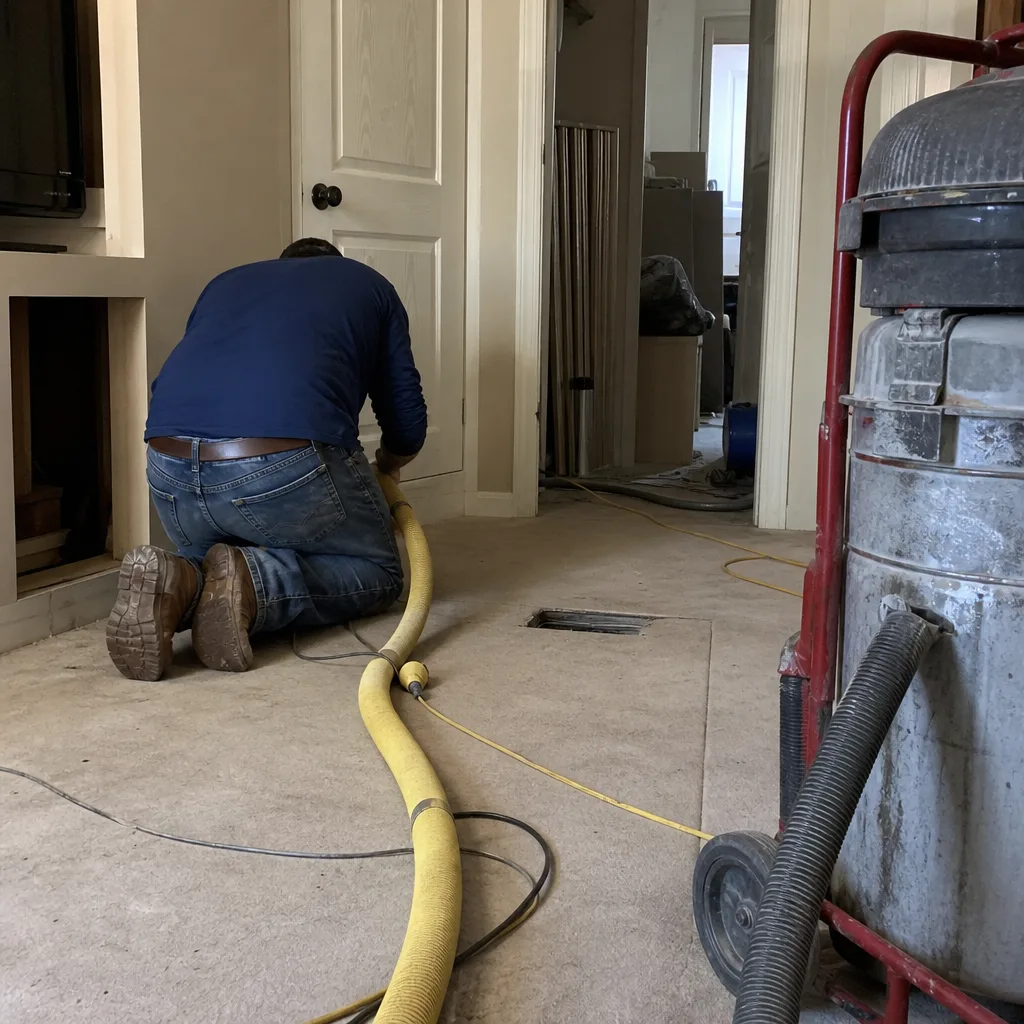 Before
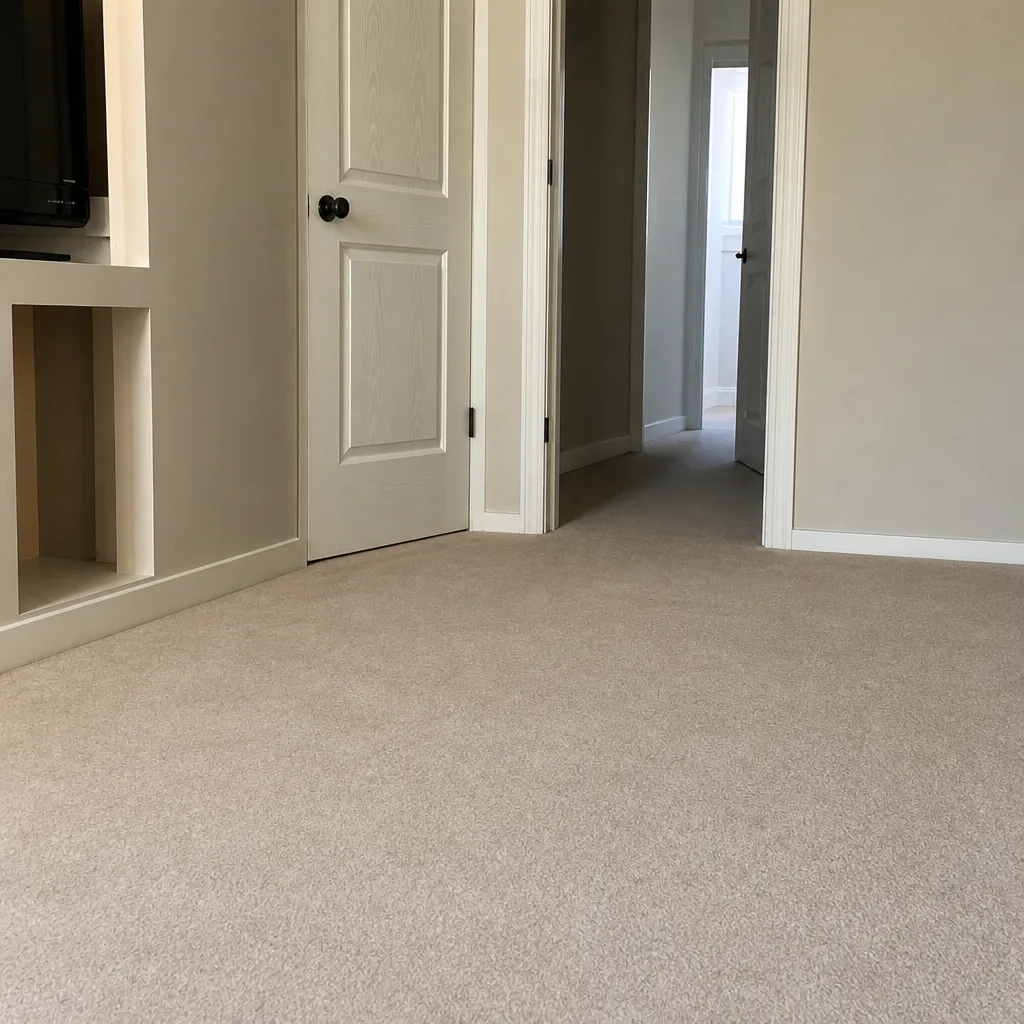 After
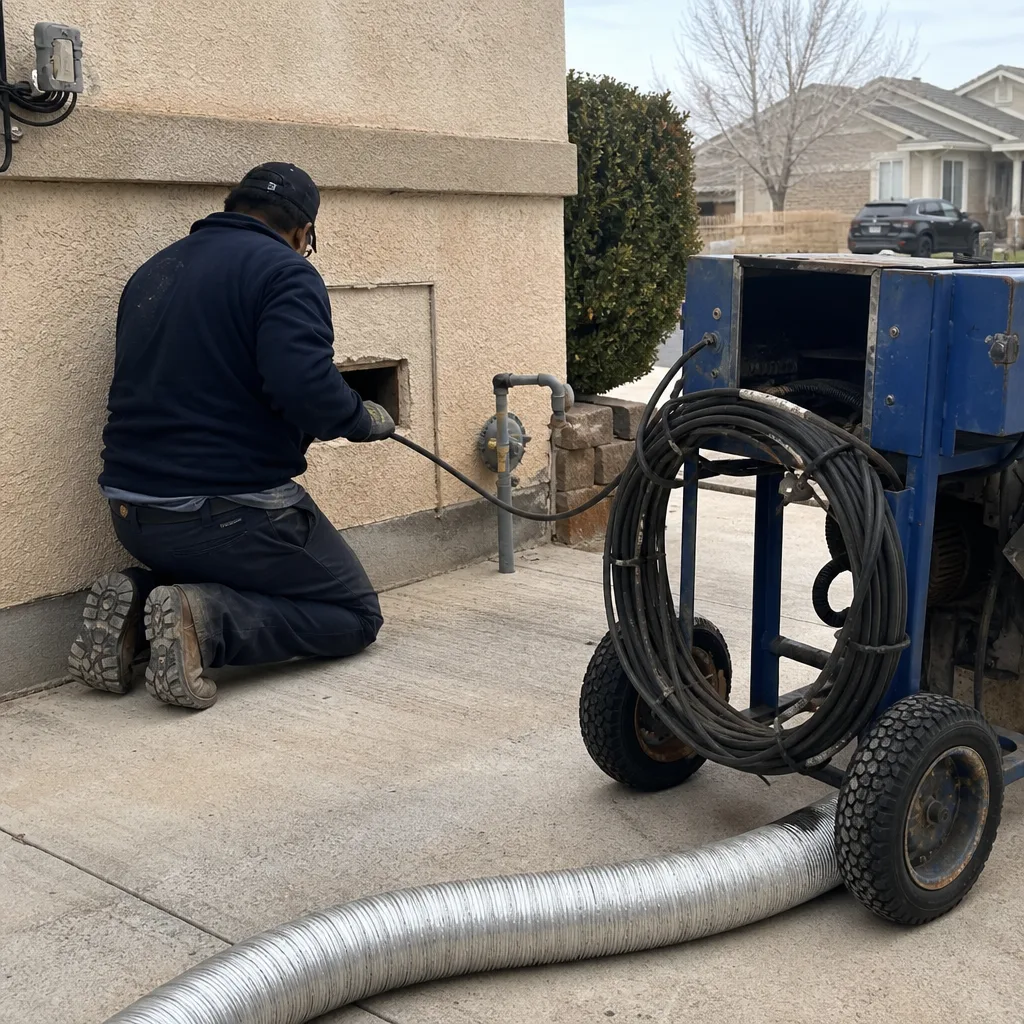 Before
 After
 Before
 After