
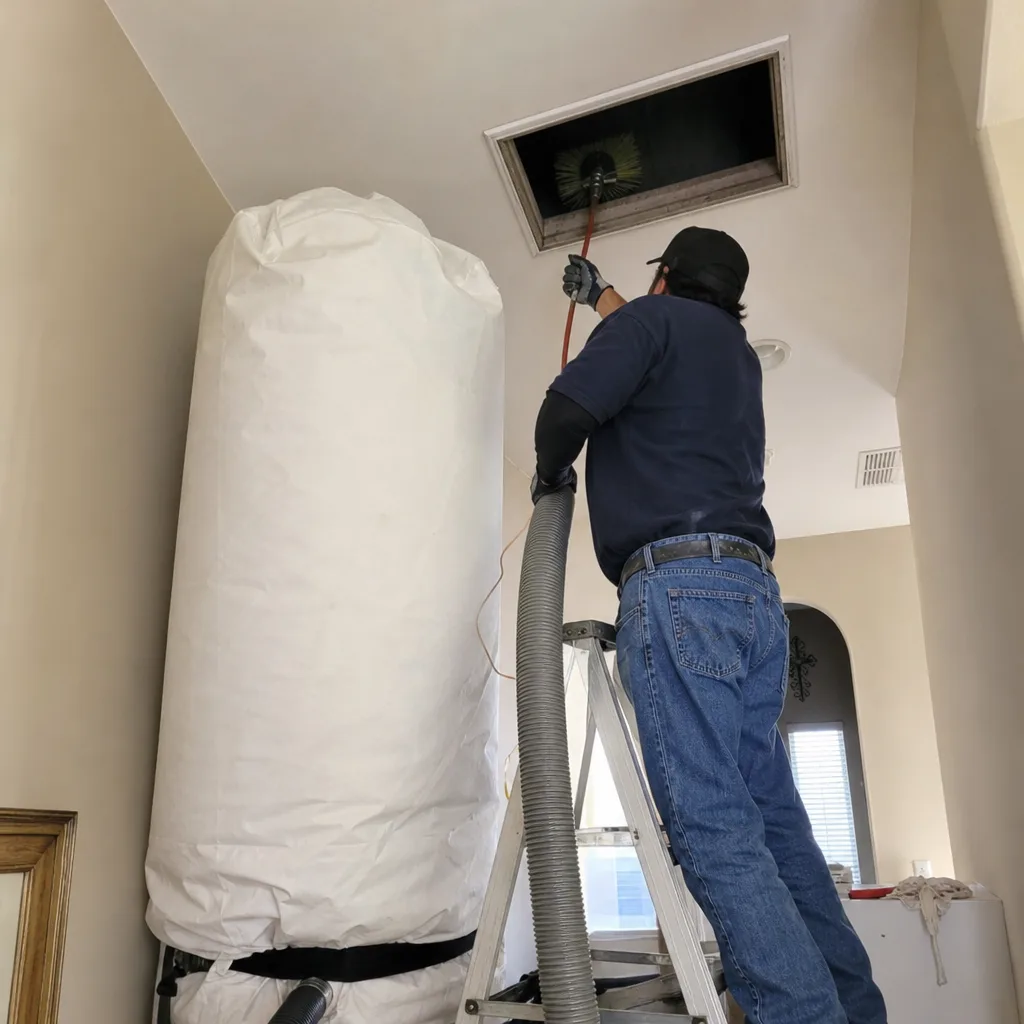
Last updated November 16, 2026
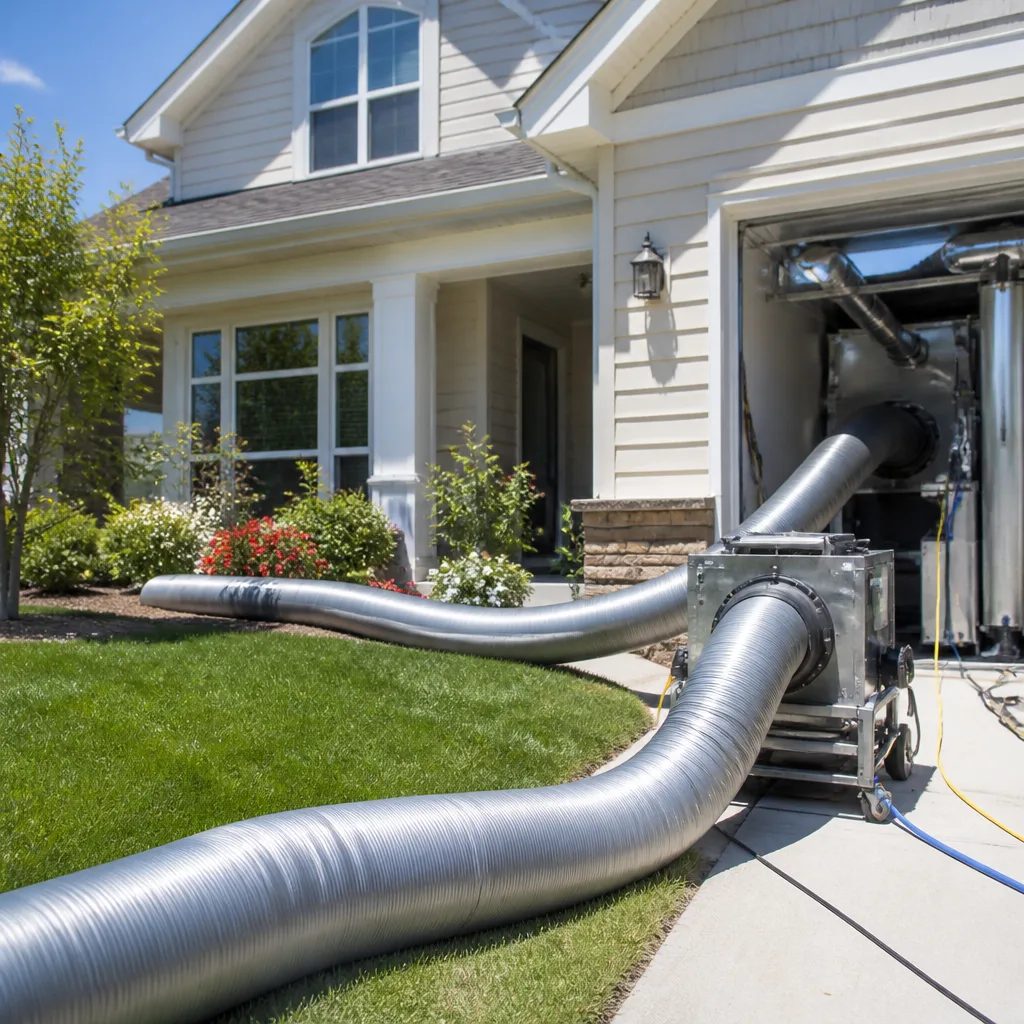 Whole-home duct cleaning
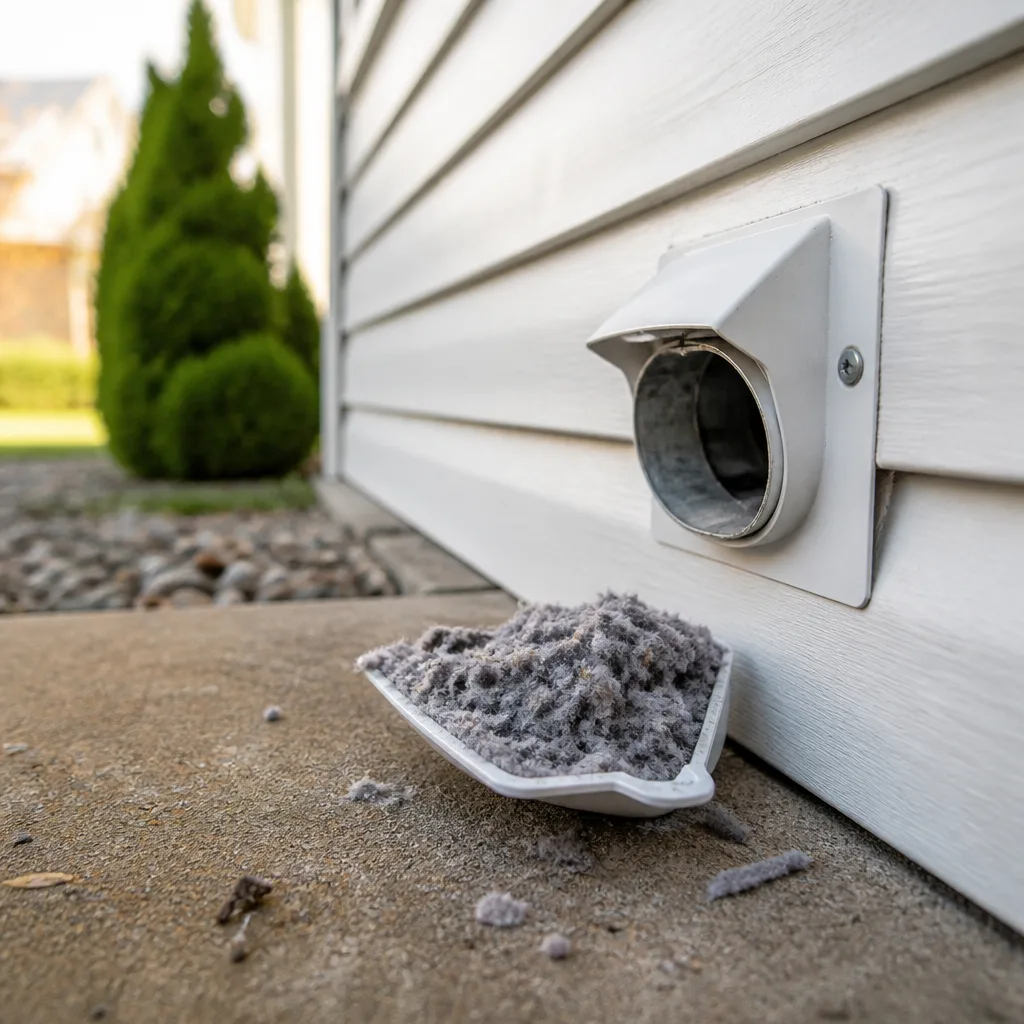 Dryer vent cleaning
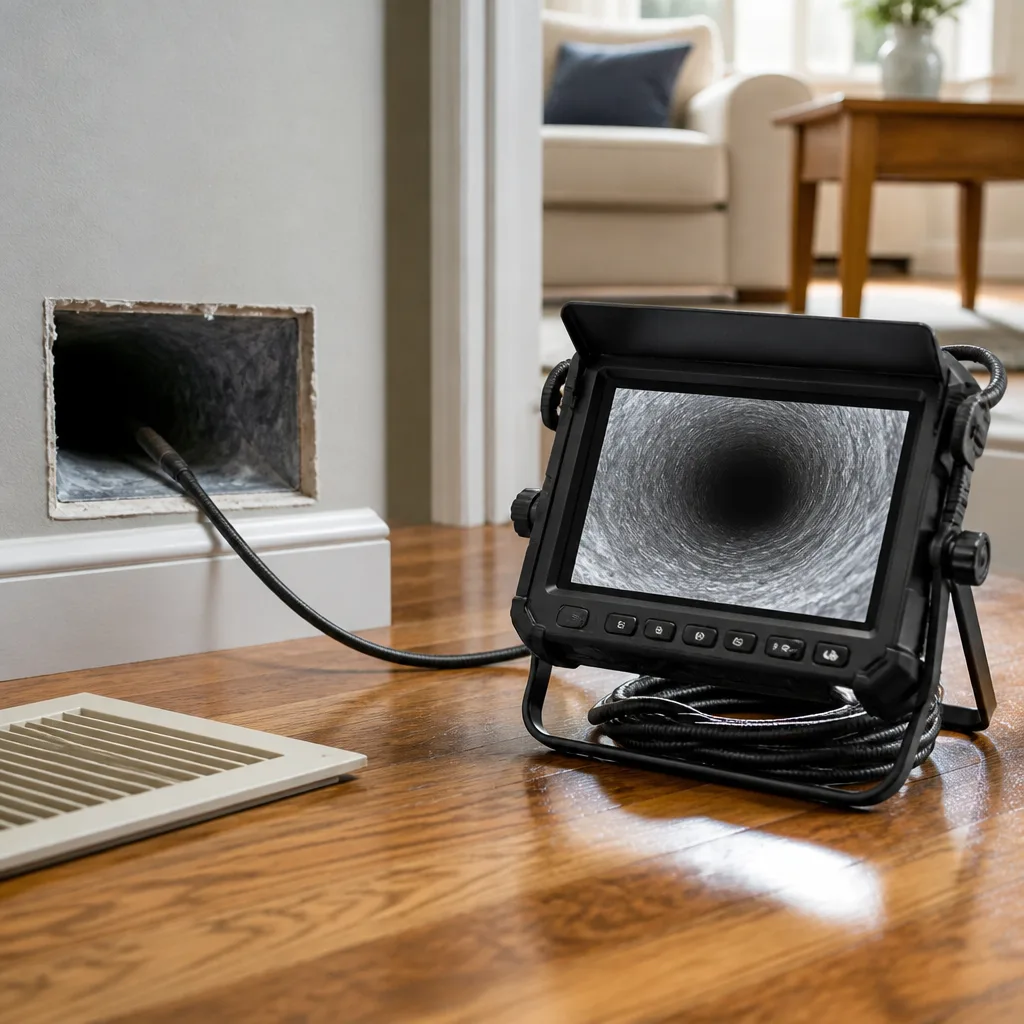 Camera inspection
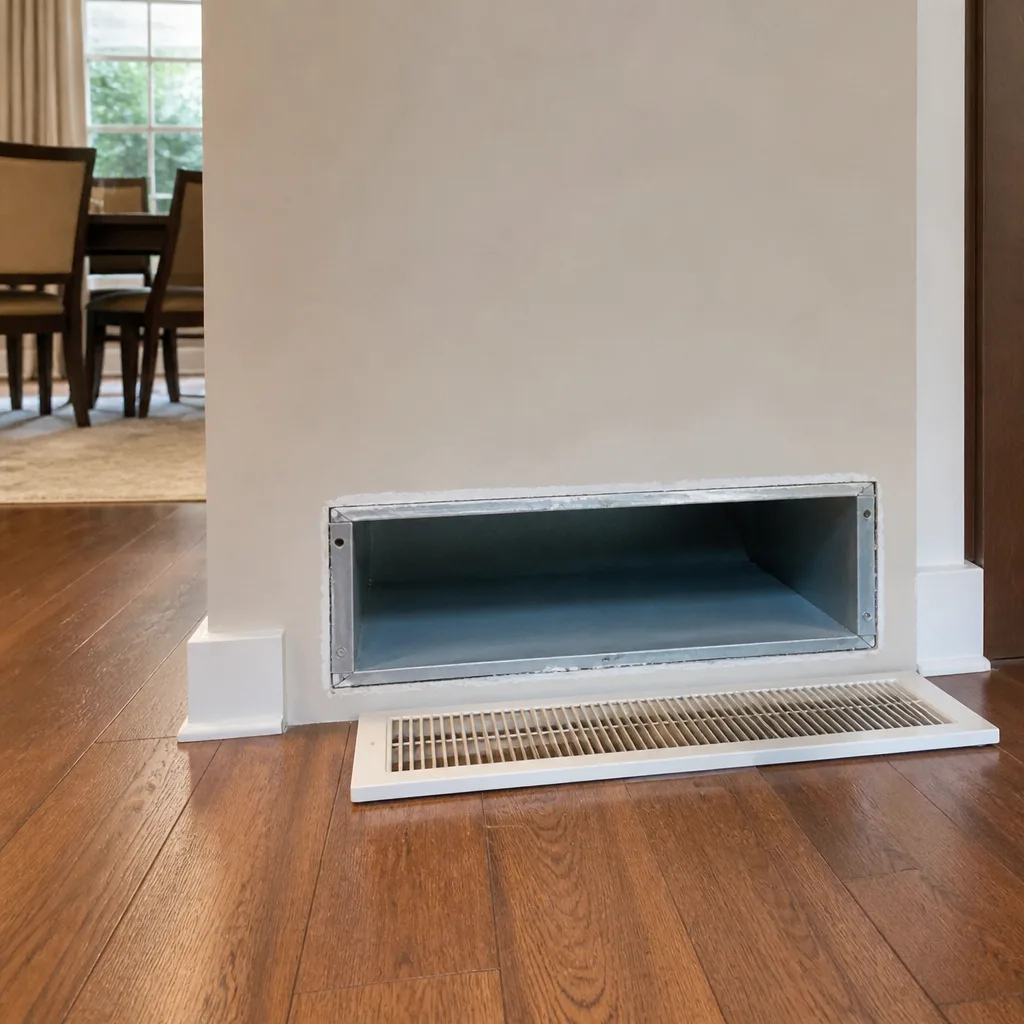 Sanitizing & deodorizing
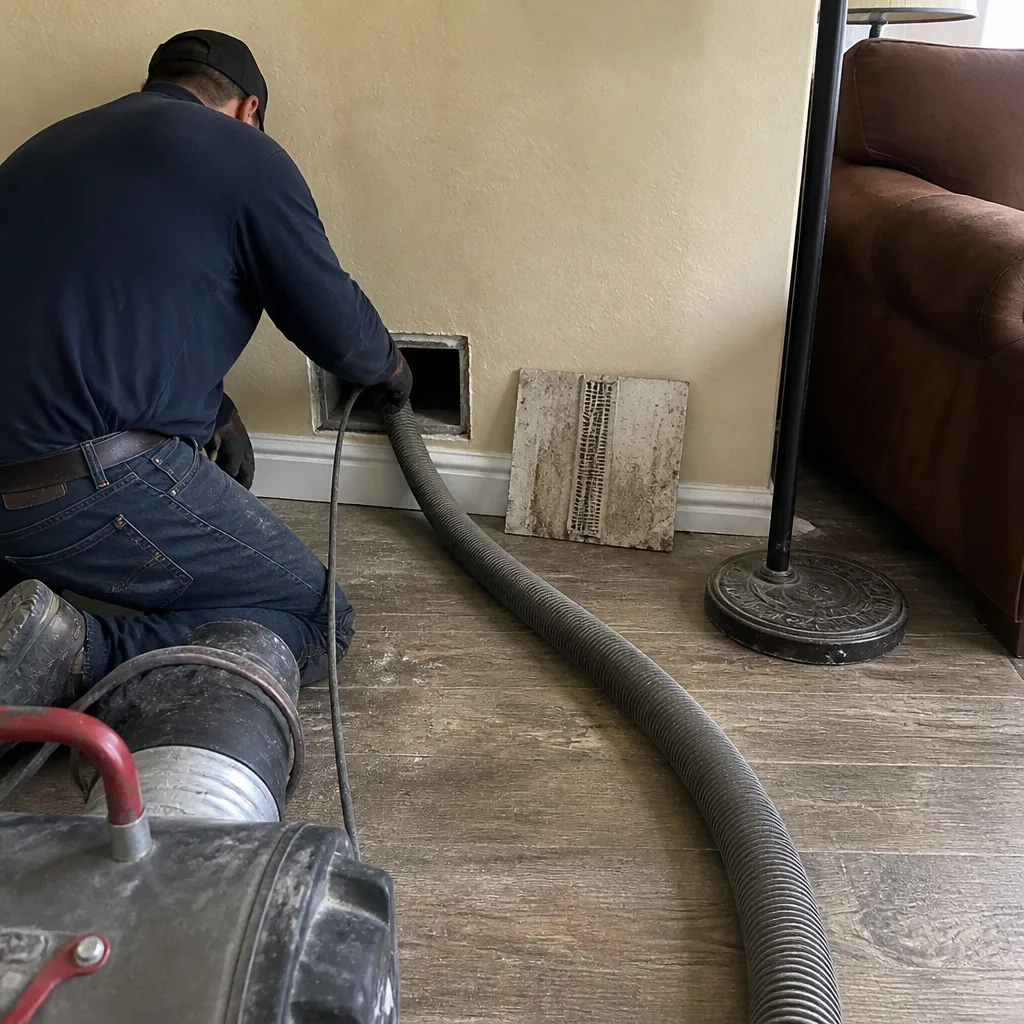
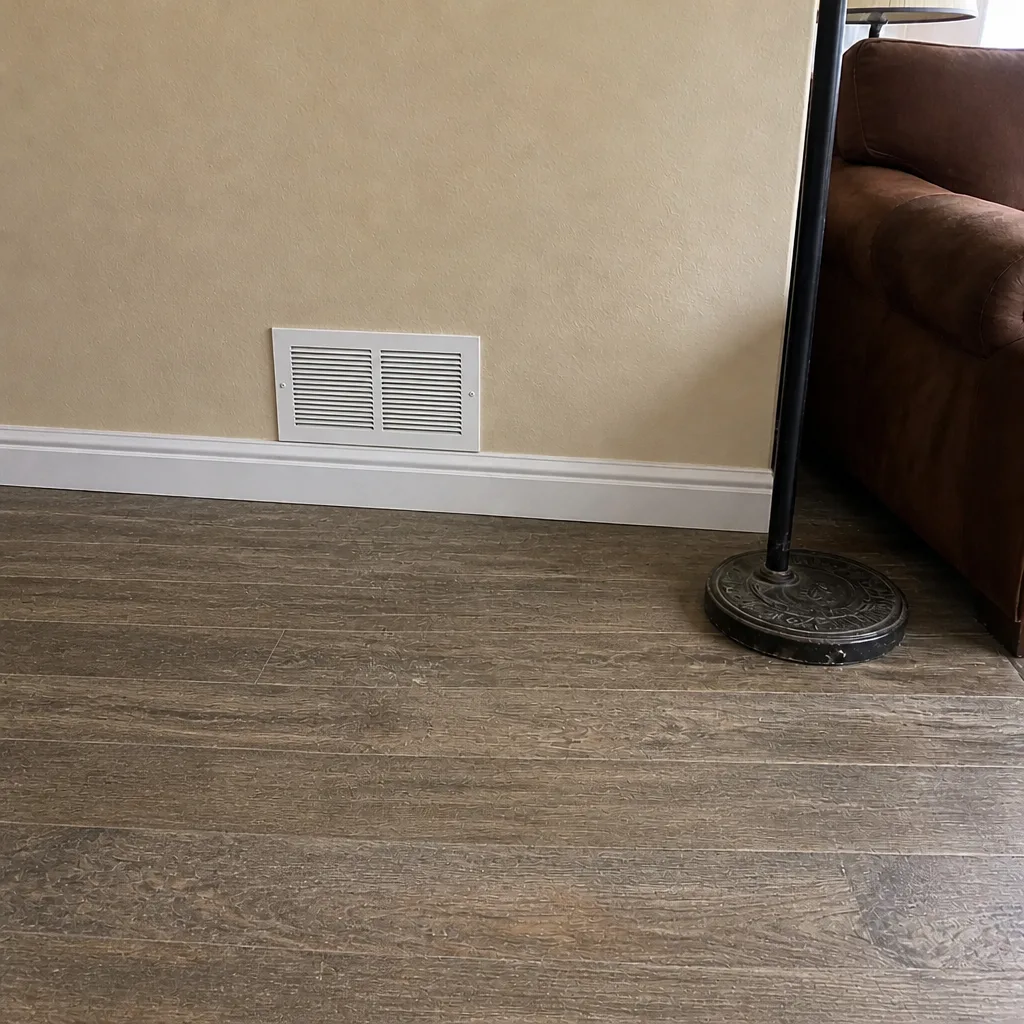
Whole-system duct and dryer vent check with before-and-after photos - you see exactly what came out of your vents
That "$99 whole-house special" is a bait ad - the real number appears once they are in your hallway, or the "clean" is a shop-vac at the register. We photograph the inside of your ducts before and after instead.
Air Duct Cleaning Warning Signs: An Odessa Homeowner’s Reference Guide
Dust reappearing on furniture two days after cleaning isn’t a housekeeping problem. It’s your duct system telling you something specific about where contamination is entering your airstream. Most homeowners in Odessa dismiss the early signals – a faint smell after a rain, a bedroom that never cools like the rest of the house, a dryer that takes two cycles to finish a load – as separate small annoyances. They aren’t separate. They’re a pattern, and that pattern points to duct condition. This reference guide walks through what your house is already telling you, how to read the signals, and how to tell normal wear from a system that needs professional attention.
Quick Answer
You likely need air duct cleaning in Odessa if you notice dust returning within days of cleaning, visible dark streaks or debris at supply registers, a musty smell after rain, rooms that won’t heat or cool evenly, unexplained jumps in summer utility bills, or a dryer taking longer than usual. Two or more of these occurring together usually means contamination, leakage, or blockage somewhere in the duct system – not a single isolated issue. A professional inspection confirms which one you’re dealing with before anything gets cleaned.
Styles & brands we work with
- Whole-home duct cleaning
- Dryer vent cleaning
- Camera inspection
- Sanitizing & deodorizing
Table of Contents
- Normal Dust vs. Contamination: How to Tell the Difference
- Odessa-Specific Warning Signs Most Homeowners Miss
- What Uneven Room Temperatures Actually Tell You
- Why Your Summer Utility Bill May Point to Duct Leakage
- Dryer Vent Warning Signs: The Fire Risk Nobody Checks
- A Room-by-Room Inspection Checklist
- What a Professional Looks For That You Can’t See
- Repair or Clean? How to Decide
Normal Dust vs. Contamination: How to Tell the Difference
Every home has dust. Some of it comes from the outdoors, some from fabric fibers, some from skin cells. Normal dust settles in a thin, even film and gets worse when you skip cleaning for a week or two. Contamination looks different. It shows up fast, it concentrates in specific places, and the color and texture give it away.
Here’s how to distinguish the two:
- Normal dust: Light gray, powdery, settles evenly across horizontal surfaces, accumulates gradually over days.
- Contaminated ducts: Darker, sometimes black or brownish streaks, appears concentrated near supply registers, may be sticky or fibrous, returns within 24-48 hours of cleaning.
- Loose debris at registers: Small flakes, insulation fibers, or particles visible on the register grille or the floor directly beneath it. This suggests the duct interior is shedding material.
- Staining around registers: Dark halos on the ceiling or wall around a register indicate air is escaping around the fitting, pulling dust from the attic or wall cavity into the room.
- Visible dust trails: If you can see a faint shadow line where air blows out of a register, that’s evidence of particle load in the airstream.
What makes contamination different from ordinary dust is repetition and location. If dust settles fastest near your supply vents and returns quickly after you clean, contamination is entering from inside the duct system, not from the room. That’s the pattern most Odessa homeowners misread as a housekeeping issue.
A quick test: wipe down a coffee table and a register grille on the same day. If the register looks worse than the table within 48 hours, air is carrying particulates out of the ducts. If both look the same, the dust is ambient and duct cleaning probably isn’t the answer yet.
Odessa-Specific Warning Signs Most Homeowners Miss
West Texas puts specific stress on duct systems that coastal or humid-climate guides never mention. The local soil, the dry air, and the way homes here are built create a predictable set of warning signs. Three of them come up repeatedly in Odessa homes.
Caliche-Colored Dust at Registers
The light-colored, chalky soil common across West Texas leaves a distinctive pale dust when it works its way into attic spaces and duct runs. If the dust collecting around your registers has that pale, caliche tone rather than the gray you’d expect from ordinary household dust, it’s often a sign of attic intrusion – either through gaps in the duct connections or through a compromised return system. Attic dust entering the supply side will show up on the supply registers because that’s where it exits.
Musty Odor After Rain Events
Odessa gets rain in bursts, and when it does, attics get wet – briefly, but enough. If you notice a musty or earthy smell coming from your vents in the day or two after a heavy rain, and the smell fades as things dry out, that’s a strong indicator of attic moisture finding a path into the duct system. It usually means a duct joint, a boot seal, or a return plenum has lost its seal and is pulling attic air into the house. Musty smells that repeat after every rain aren’t a coincidence – they’re a leak.
HVAC Runtime Increases in Spring
As Odessa shifts from mild spring temperatures into the first hot weeks, homeowners often notice the system running longer than it did the previous year. Sometimes that’s equipment, sometimes it’s refrigerant, but often it’s a supply duct that’s come loose or a return that’s drawing conditioned air back from the attic. If the system runs longer without producing meaningfully cooler air, the more likely culprit is air that’s not reaching the rooms it’s supposed to reach. That’s a duct problem, not a compressor problem.
Add to those three the steady accumulation of dust and debris that happens in any home, and you get the pattern most common in Odessa: contaminated supply runs paired with a compromised return, driven by attic conditions and soil type. Our technicians have up to 10 years of experience reading these specific patterns in West Texas homes.
What Uneven Room Temperatures Actually Tell You
A house that’s hotter in one bedroom than the living room has a duct problem – but there are three different duct problems that produce that symptom, and each has a different fix. Figuring out which one you have comes down to which rooms are affected and how the air feels when it comes out of the register.
- Duct restriction: Airflow is limited by a blockage – collapsed flex duct, crushed run, debris, or a closed damper. The affected room’s register blows weak air, feels warm to the touch, and the room is uniformly too warm. This usually affects rooms at the end of the duct run.
- Duct disconnection: A joint has separated, and conditioned air is dumping into the attic or wall cavity instead of reaching the room. The register feels almost still, and the room may be warm regardless of how long the system runs. Look for dust or staining around where the duct enters the ceiling.
- Improper balancing: Airflow is fine, but the system is sending too much to some rooms and not enough to others. Every register blows strong air, but the room furthest from the air handler stays warm. This one can often be fixed by adjusting dampers – a very different answer than cleaning or repair.
The fastest way to narrow it down is to feel the air at each register in the house while the system is running. If most registers are strong and one is weak, that’s restriction or disconnection at that specific run. If all registers are strong but rooms stay uneven, that’s balancing. If all registers are weak, that’s a return-side problem or a system-wide blockage.
Documenting which rooms have the issue and how their registers feel gives a technician a real head start. When we inspect ducts in Odessa, that information shortens the diagnostic and lets us focus on the right section of the system rather than opening up the entire duct network.
Why Your Summer Utility Bill May Point to Duct Leakage
When the utility bill spikes in July, the instinct is to blame the air conditioner. Often that’s wrong. In a home with leaking ducts, the AC is working harder than it needs to because a meaningful share of the cooled air it produces never reaches the rooms it’s supposed to cool. The equipment is fine. The delivery system is losing the air.
Here’s a simple way to test the theory before calling an HVAC technician:
- Run the system for 20 minutes on a normal afternoon. Let it stabilize.
- Check the temperature at a supply register in the room that cools best, and at a supply register in the room that cools worst. A meaningful difference – warm air from one register versus cold from another – suggests duct leakage or restriction on the warm side.
- Check the air temperature in the attic near where ducts run. If the attic is dramatically hotter than the rooms and the ducts are accessible, feel along the duct run for spots where cold air is escaping into the attic.
- Look for sweating ducts. A duct that feels wet or cold-to-touch along a seam, but not along the rest of its length, is likely leaking.
If the system is running longer, the rooms aren’t reaching set temperature, and the attic ducts show signs of leaking, the bill increase is very likely a duct problem. Duct repairs that reseal separated joints often recover a meaningful share of that loss.
One more Odessa note: caliche-heavy soil and the hot, dry summers here cause homes to settle and flex seasonally, and that movement is hard on duct connections. It’s not unusual for a duct system that was tight a few years ago to develop gaps at the boots or joints as the house moves. The bill climbs before the homeowner notices anything else.
Dryer Vent Warning Signs: The Fire Risk Nobody Checks
A dryer that takes two cycles to finish a load, or heats up the laundry room while it runs, is telling you its vent is restricted. Lint buildup in dryer vents is one of the leading causes of residential house fires, and the signs are almost always visible before anything happens. Most homeowners see them and dismiss them as inefficiency rather than a hazard.
Watch for these specific signs:
- Longer dry times. A load that used to finish in one cycle now takes 90 minutes or two runs. Gradual lengthening over months is the most common signal.
- Heat buildup in the laundry room. The room feels noticeably warmer than the rest of the house while the dryer is running. That heat is supposed to be exiting through the vent.
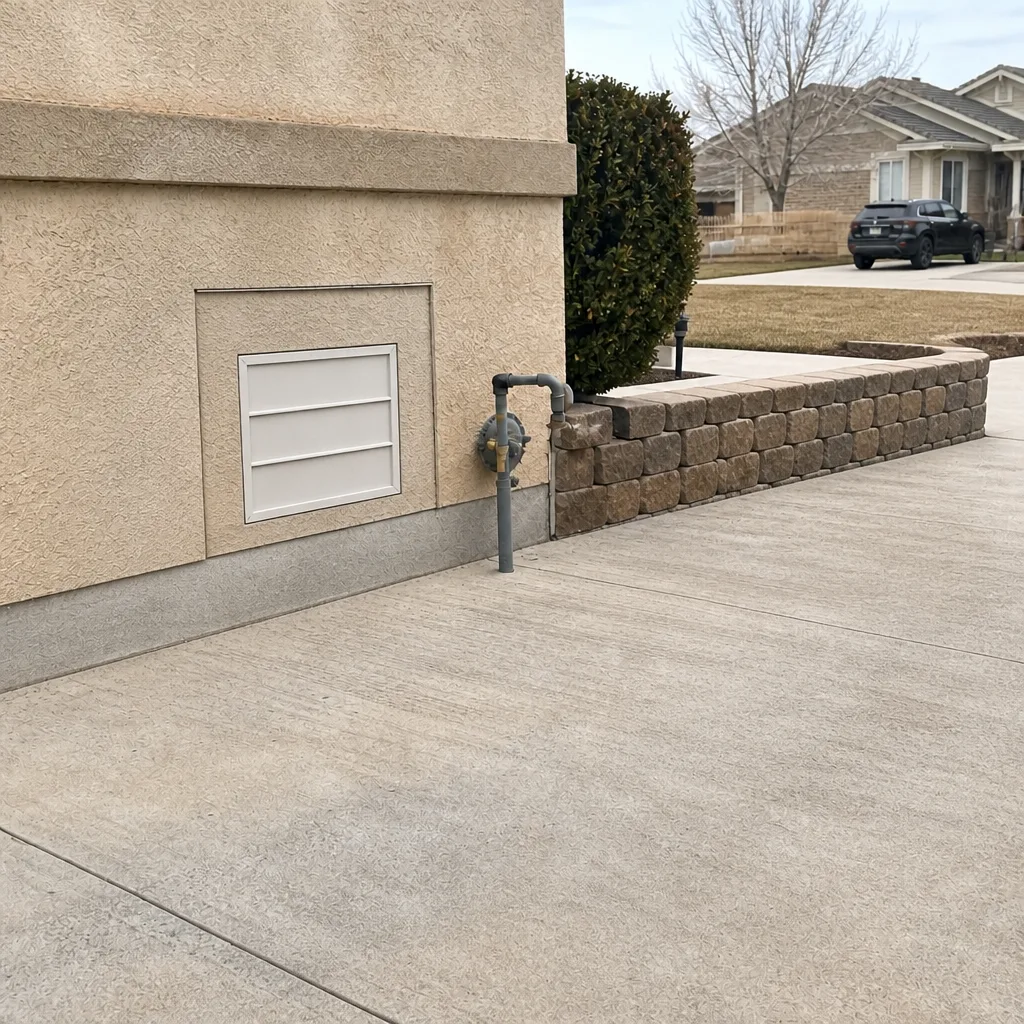
- The exterior vent flap not opening fully. Go outside while the dryer is running and watch the flap. It should swing open and stay open with visible airflow. If it barely lifts, flutters, or stays shut, airflow is restricted.
- Lint around the exterior vent. A visible accumulation of lint on the outside of the vent hood means the vent isn’t clearing properly and lint is backing up.
- A burning or hot smell in the laundry room. This one needs immediate attention. Stop using the dryer until the vent is cleared.
Dryer vent cleaning is a specific service separate from duct cleaning, and it’s the one that turns an indoor air quality conversation into a home safety one. The vent run itself is usually short and simple, but it’s also the most overlooked part of a home’s air and exhaust system. In Odessa homes where the dryer sits against an exterior wall, the vent run is short enough that homeowners assume it can’t clog – but lint accumulates no matter how short the run is.
Our dryer vent cleaning addresses lint buildup directly. It’s a job that takes less time than most homeowners expect and produces a measurable result: the dryer finishes a load in one cycle again, and the laundry room stops feeling like a sauna.
A Room-by-Room Inspection Checklist
A thorough walkthrough takes about 20 minutes and tells you more than any single symptom. Work through your home in this order, and note what you find.
- Every supply register: Look for visible dust trails, dark streaks on the grille, staining on the ceiling or wall around the fitting, and dust particles on the surface beneath. Feel the airflow strength at each one.
- Every return register: Check for a visibly dirty grille (this is the single most reliable indicator of duct contamination) and for dust caked on the grille surface. A return that looks worse than the supply registers is pulling from a contaminated source.
- The air handler closet or attic: Look at the visible duct connections and note any that look loose, disconnected, or taped with deteriorating tape. Check for a musty or dusty smell in the attic itself.
- The laundry room: With the dryer running, check the exterior vent flap from outside. Note the dry time for a normal load.
- The utility bills: Compare the last three months of cooling costs to the same months last year. An increase you can’t tie to rate changes or a very hot summer is worth investigating.
- The rooms themselves: Note which rooms cool or heat well and which don’t, and how long each takes to reach set temperature.
Bring that list when you call. It’s the difference between a technician guessing and a technician knowing where to look first. In our experience, homeowners who complete this walkthrough before calling end up with a faster diagnosis and a clearer scope of work.
What a Professional Looks For That You Can’t See
The visible signs point to a problem. The invisible parts of the duct system determine how big the problem is. A professional inspection opens the system where it needs to be opened – typically at the air handler, the main trunk, and a sample of branch runs – and looks at conditions you can’t reach from a register.
What gets checked:
- Interior duct condition: Whether the duct lining is intact, shedding, or coated with dust and debris. Flex duct tends to collect debris in the low points of every run.
- Joint integrity: Whether connections at the air handler, trunk, and boots are sealed. Leaks here leak into the attic, not the room.
- Contamination type: Dust, mold, rodent activity, or debris from renovation. Each one calls for a different cleaning approach.
- Return system condition: Whether the return plenum is drawing from attics, wall cavities, or clean interior air.
The equipment matters. Consumer-grade vacuums and shop vacs can’t generate the airflow needed to remove settled debris from duct interiors, and they don’t contain what they pull. Rotobrush rotary brush systems are the professional standard for the mechanical side of duct cleaning, and Nikro HEPA-rated vacuums contain the debris extraction so it doesn’t escape back into the house. Abatement Technologies equipment goes further – containment-level capability for jobs where the concentration of contamination calls for serious indoor air quality work, not a standard cleaning pass.
This equipment is what separates a real duct cleaning from a coupon special. It also means we can offer duct cleaning in Odessa as a full-system service rather than a surface pass, and handle Odessa homes with the same methods whether the job is a straightforward clean or a repair-and-clean.
Repair or Clean? How to Decide
Cleaning removes what’s inside the ducts. Repair fixes the ducts themselves. These aren’t the same job, and treating one as the other is the most common reason a duct problem comes back after being “solved.”
The decision tree is straightforward:
- If the ducts are clean but disconnected or crushed: Repair is the answer. Cleaning a broken duct doesn’t fix the break.
- If the ducts are sealed and intact but contaminated: Cleaning is the answer. Repairing a clean duct adds nothing.
- If both conditions are present: Clean first, then repair the compromised sections, so the repair doesn’t trap debris where it can’t be reached.
This is why a full-system specialist matters more than a cleaning-only operator. Air duct repair in Odessa often uncovers separations or crushed runs that a cleaning crew would have to walk away from. When the same team can clean and repair, the diagnosis and the fix happen in one visit instead of two, and the system is left in a condition that actually solves the problem.
Working with Honeywell and Aprilaire whole-home air quality systems rounds out the picture for homes that have filtration or humidification tied into the ductwork. Those systems depend on a sealed, clean duct network to perform as designed, so a duct repair often quietly restores function to equipment the homeowner thought was failing.
Common Mistakes to Avoid
- Assuming dust is a cleaning problem. If dust returns within days and concentrates at registers, the source is inside the duct system, not in the room. Vacuuming more won’t fix a duct that’s shedding material.
- Chasing a low coupon price. A very low advertised price usually covers a surface pass or a small number of vents, with the rest of the work billed as an add-on once the technician arrives. Ask for a whole-system price in writing before any work begins.
- Cleaning when the real problem is a disconnect. A duct that has come loose from a boot or trunk dumps air into the attic. Cleaning won’t restore the seal, and the room stays warm. Get the system inspected for gaps before deciding cleaning is the answer.
- Ignoring the dryer vent because the dryer still works. The dryer vent doesn’t stop working – it just accumulates lint until the restriction causes a fire. In Odessa homes with short exterior vents, the buildup is invisible but still present.
- Judging temperature problems by feel alone. A room that feels warm doesn’t always mean a blocked duct – it may be a balancing issue that a damper adjustment solves. Feel the airflow at the register first.
- Skipping the walkthrough before calling. The room-by-room inspection takes 20 minutes and makes the appointment more productive. The technician who knows which rooms to focus on finds the problem faster.
- Trusting a quote without a scope of work. “Duct cleaning” can mean a great many things. Ask what equipment will be used, how many supply and return runs are covered, and what happens to any repair findings.
See the difference
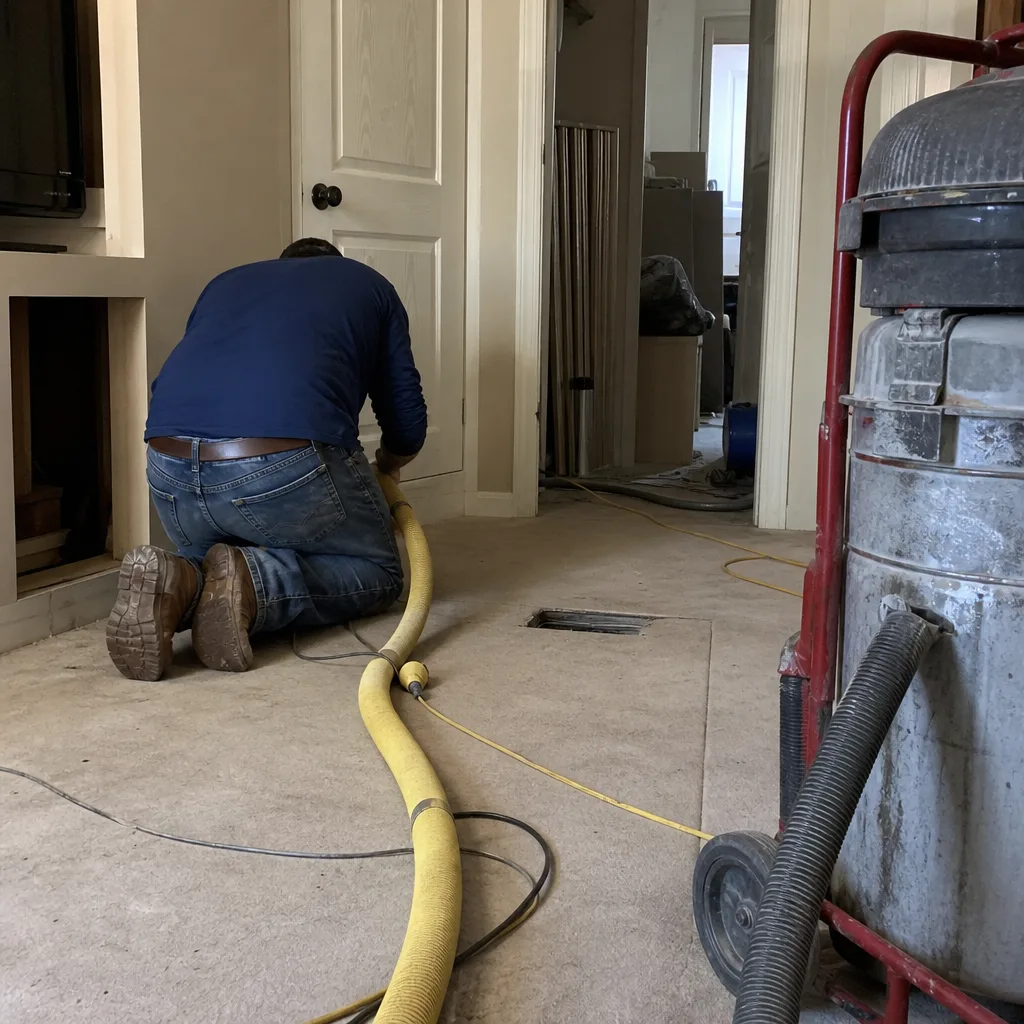 Before
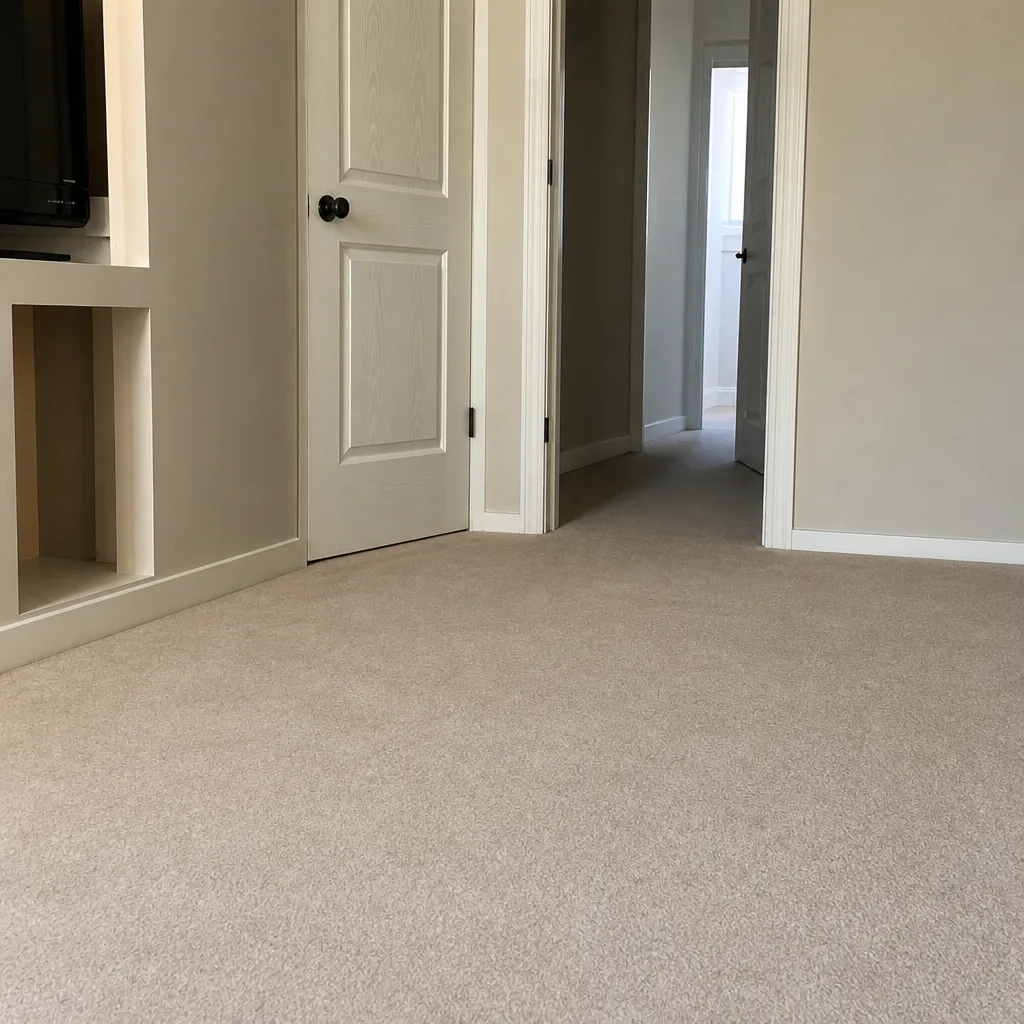 After
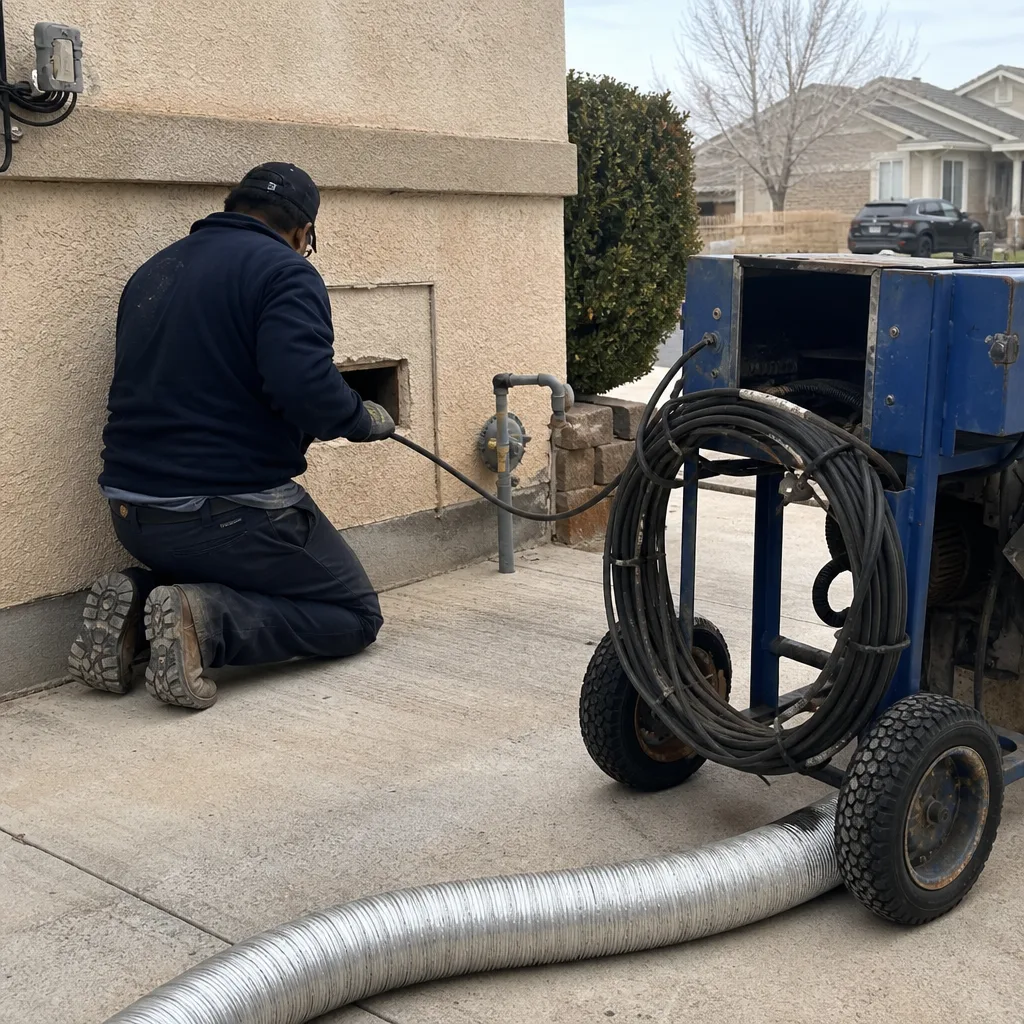 Before
 After
 Before
 After
When to Call a Professional
Call when you have two or more of the warning signs in this guide happening at the same time. Dust returning within 48 hours, a musty smell after rain, a room that never cools, and a shorter-than-usual dryer cycle all point in the same direction. Call when you can see debris at the registers or a dirty return grille that’s worse than the supply registers. Call when the utility bill climbs without a clear reason. And call when your dryer vent flap doesn’t open fully or the laundry room feels hot while the dryer runs.
Duct Cleaning Odessa offers free estimates in Odessa. Our technicians have up to 10 years of experience, and we work with professional-grade Rotobrush, Nikro, and Abatement Technologies equipment. One flat price per system is agreed before work starts. Call (833) 749-5958 for an estimate. We answer 24/7. Fast dispatch from 7am to 7pm, Sunday through Friday.
Frequently Asked Questions
Air duct cleaning in Odessa is priced as a whole-system job rather than a per-vent charge, and the written estimate you get before work begins sets the final price. Whole-system pricing reflects the size of your duct network, the number of supply and return runs, and whether the job needs cleaning alone or cleaning plus repair. We give you one flat price per system agreed before the technician starts, not a coupon price that grows into a larger invoice on site. Call (833) 749-5958 for an exact quote – estimates are free.
If your ducts are intact and sealed but dirty, you need cleaning. If joints are separated, runs are crushed, or a duct has come loose from a boot, you need repair. The two problems look similar from inside the house – warm rooms and increased dust – but the fix is different. A professional inspection tells you which you’re dealing with, and when the same team handles both, repair and cleaning happen in one visit.
Cheap quotes usually mean a smaller scope – a surface pass, a small number of vents, or a shop-vac-level extraction rather than HEPA containment. The low price covers a small portion of the job, and the rest is billed once the technician is on site. Ask what equipment will be used and whether the whole system is covered for the price. Whole-system pricing with containment-grade extraction costs more upfront, but the price you agreed is the price you pay.
For most homes, cleaning every few years is typical – but “how often” is the wrong question. The right question is what your house is telling you. If you’ve completed the walkthrough in this guide and the signs have cleared, you don’t need a cleaning yet. If a renovation, a new pet, an older home, or repeated warning signs have re-contaminated the ducts, it’s time. Call (833) 749-5958 if you’re not sure – estimates are free.
You can clean the visible parts – the register grilles and the surfaces around them – with a vacuum, and it’s a reasonable weekend task. But the interior of the duct system, the connection points at the air handler, and the return side all require equipment most homeowners don’t have: mechanical brush systems that don’t exist in consumer versions and HEPA vacuums that contain what they pull. Trying to clean duct interiors with a shop vac usually stirs up more contamination than it removes.
Ask for before-and-after photos of your own ducts – not stock images, not someone else’s house. A professional will show you the return plenum and a sample of the supply runs before and after extraction. Ask specifically what equipment will be used (Rotobrush rotary brush systems and Nikro or Abatement Technologies HEPA extraction are the professional standards) and confirm the whole system is in scope. If a crew can’t or won’t show you photos of your own ducts, that’s the answer.
A dusty return grille that looks visibly darker or dirtier than your supply registers is the single most reliable indicator of duct contamination. The return pulls air from every room into the system, so it collects what the whole house is carrying. If it looks bad and hasn’t been cleaned recently, the ducts behind it probably need attention too. Call (833) 749-5958 for an estimate if it’s been years since the system was cleaned.
The Bottom Line
Your house is already telling you about its duct system. Dust that returns fast, a smell after rain, warm rooms that other rooms don’t share, a utility bill that climbed without a clear reason, a dryer that can’t finish a load – each signal points to contamination, leakage, or blockage in the ducts. The trick is reading them together rather than one at a time. A walkthrough, a documented list of what you found, and a call for a proper inspection turns a collection of small annoyances into an answerable question. Duct Cleaning Odessa handles cleaning, repair, and dryer vent work as a single full-system service, with professional-grade equipment and one flat price per system agreed before anything starts.
Call (833) 749-5958 for a free estimate. We answer 24/7. Fast dispatch from 7am to 7pm, Sunday through Friday. Estimates are free, pricing is per job by written estimate, and you’ll see before-and-after photos of your own ducts before the job closes.
Written by the team at Duct Cleaning Odessa.