
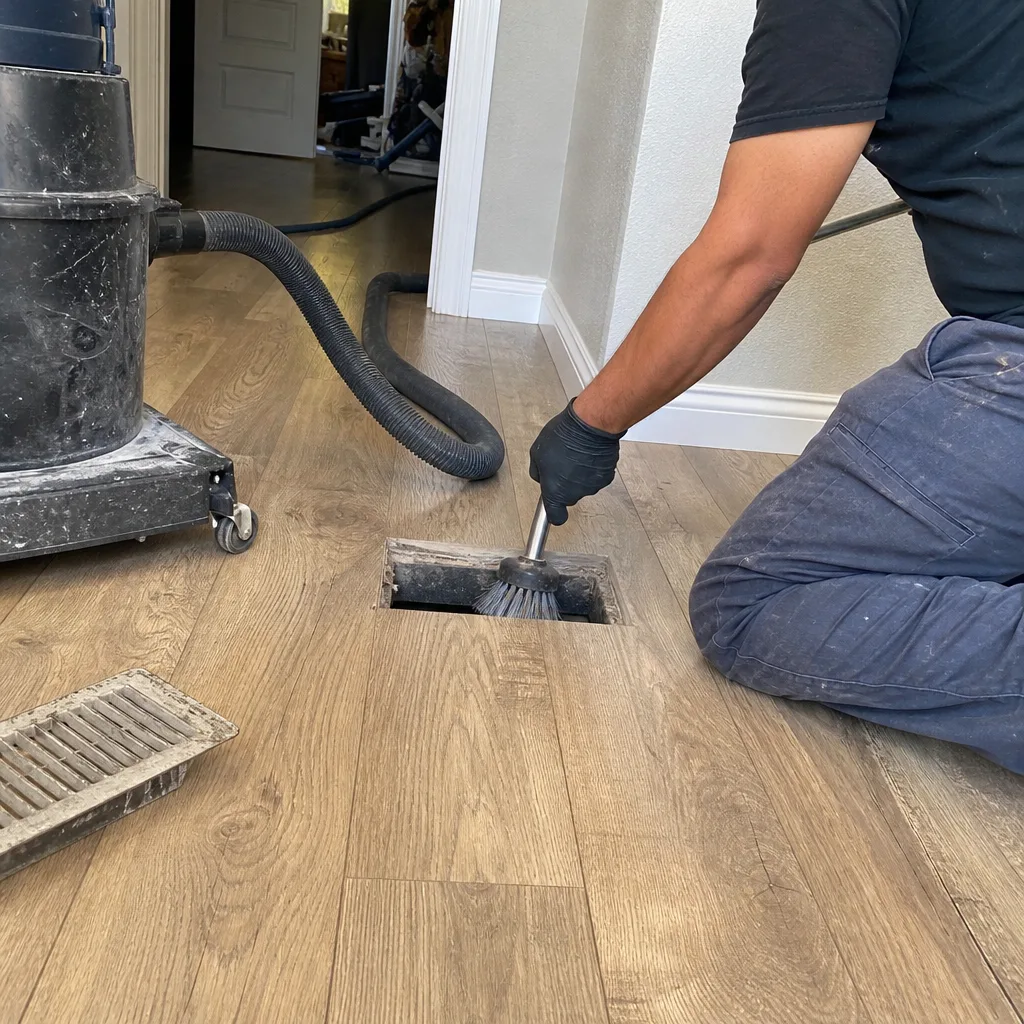
Last updated November 16, 2026
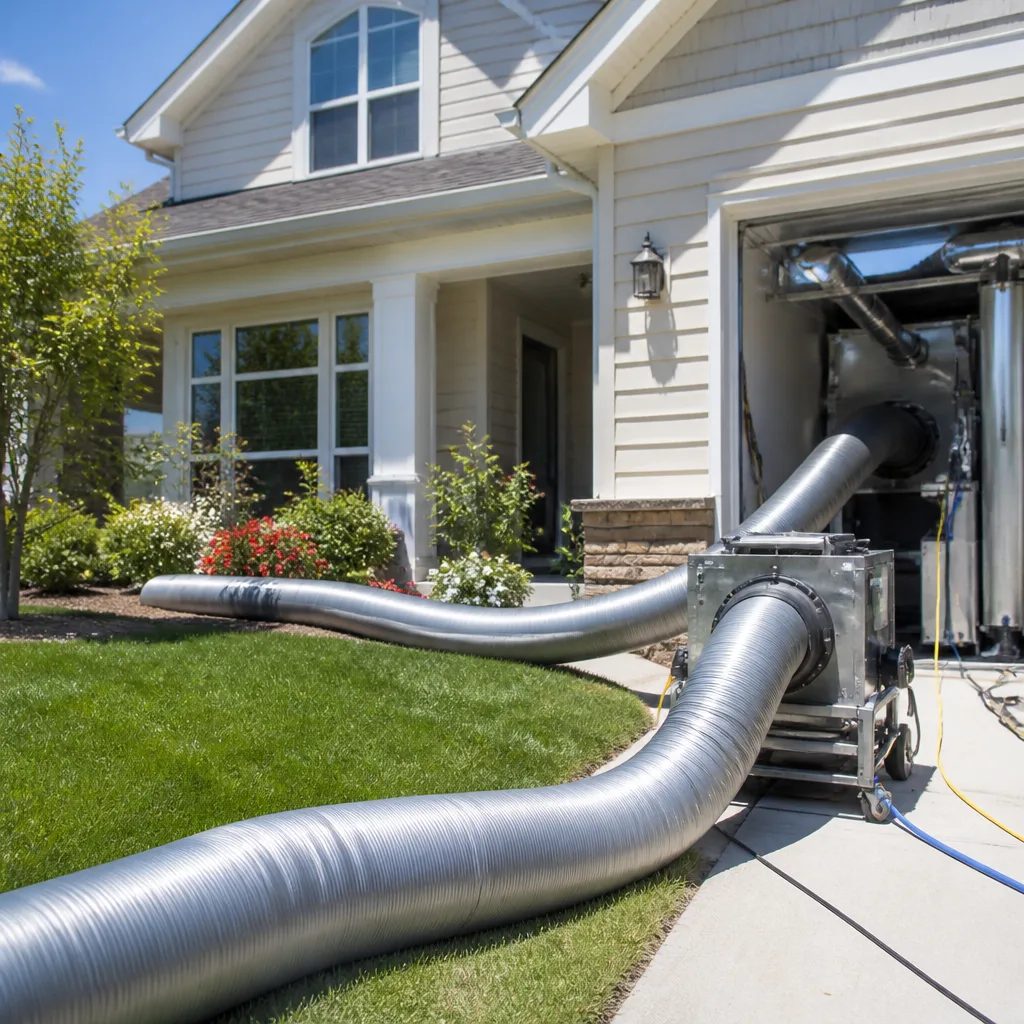 Whole-home duct cleaning
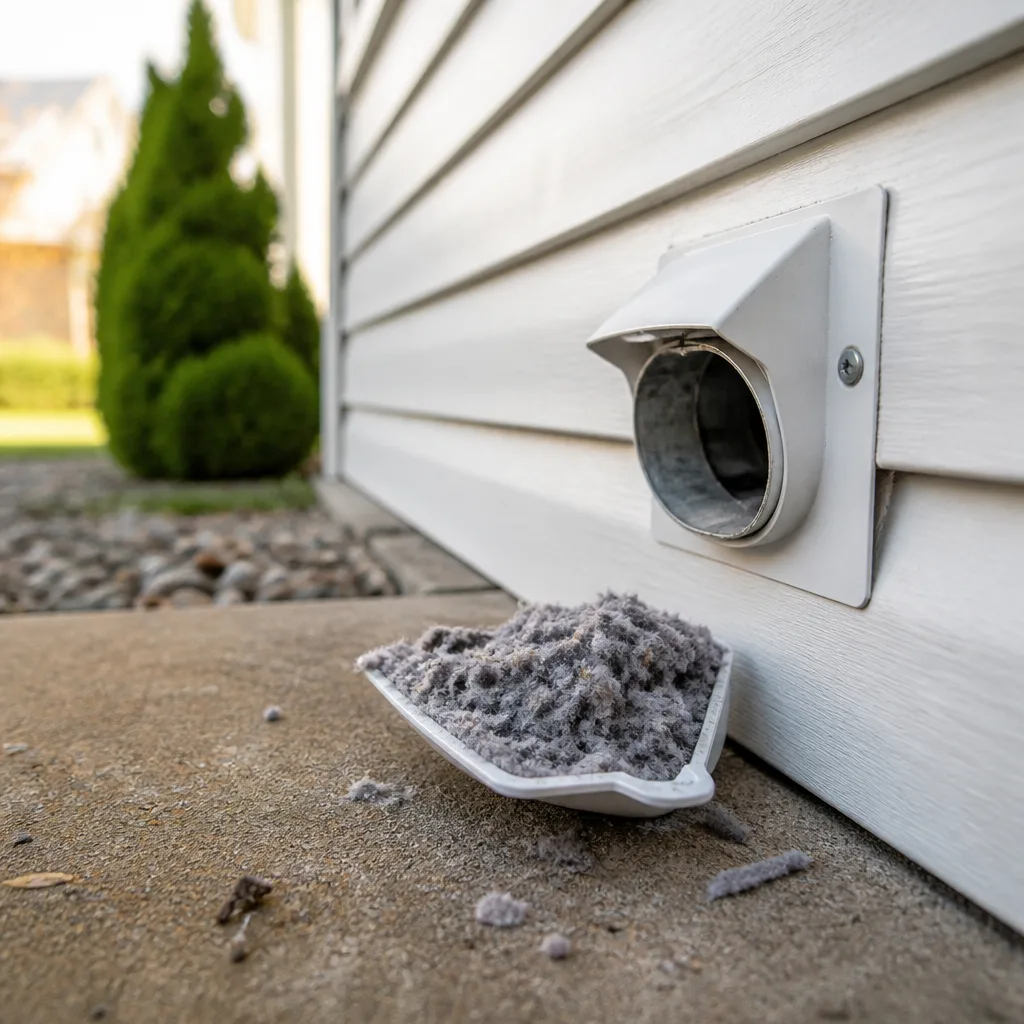 Dryer vent cleaning
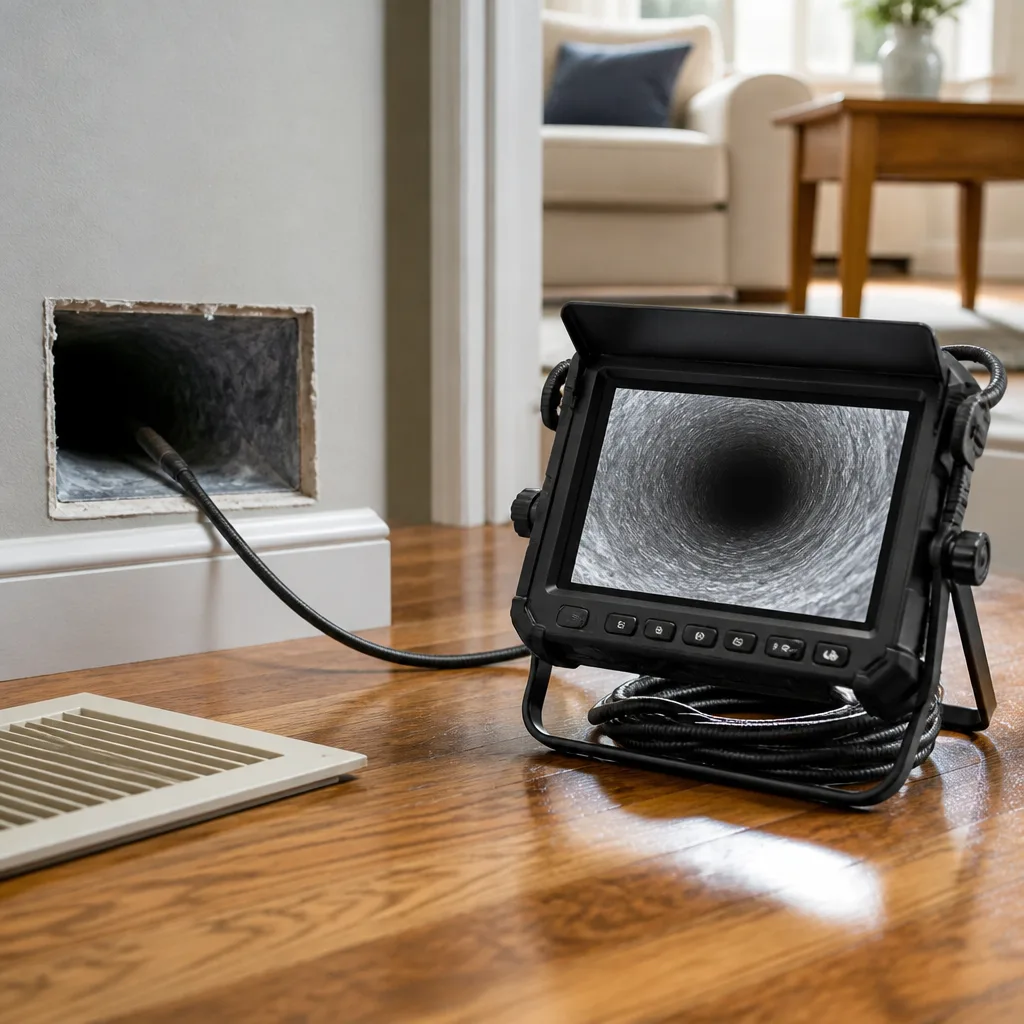 Camera inspection
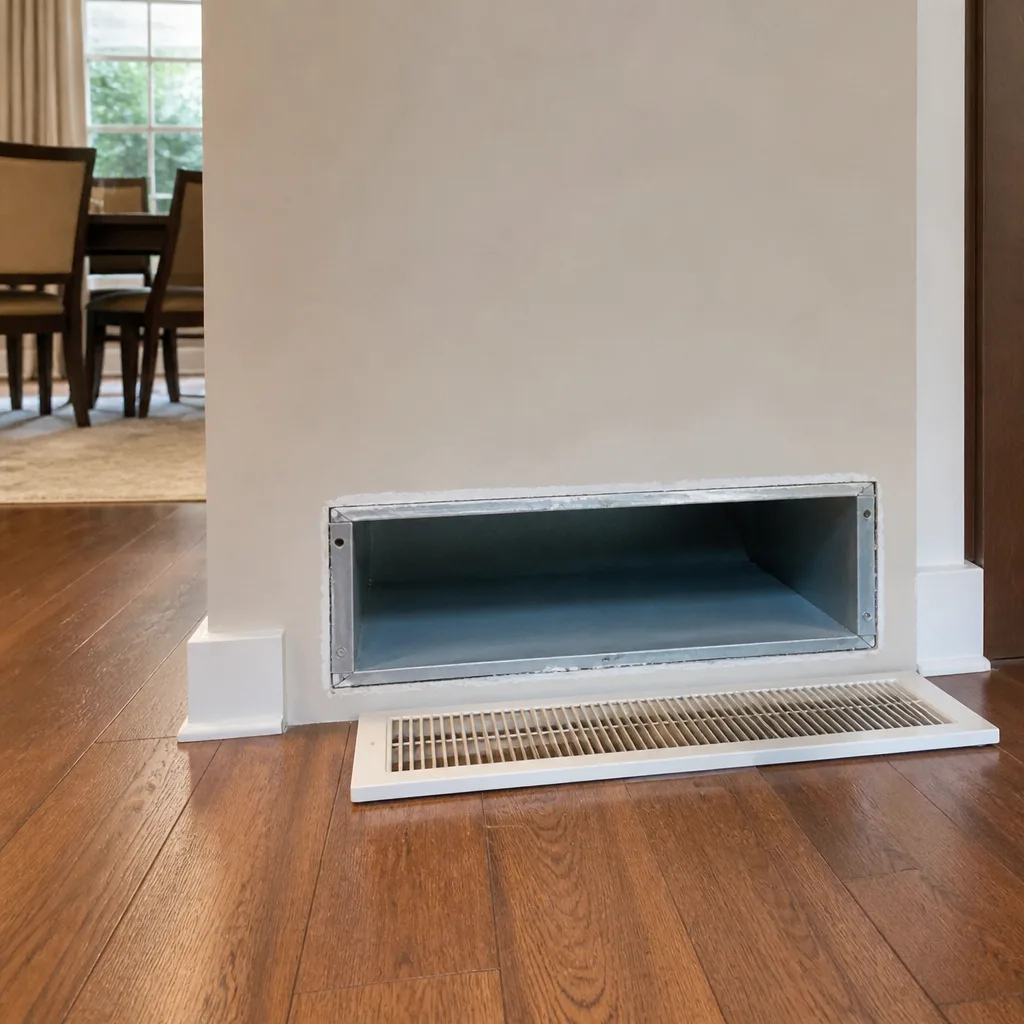 Sanitizing & deodorizing
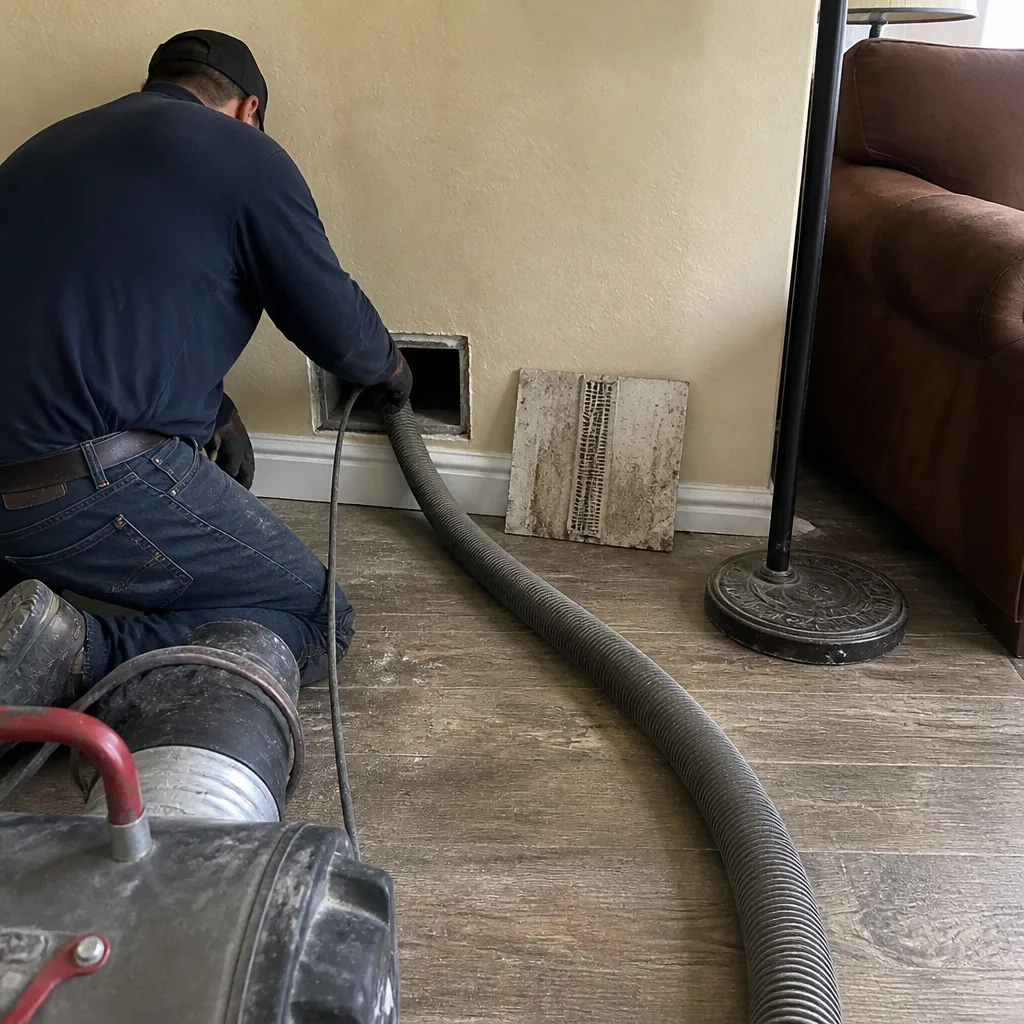
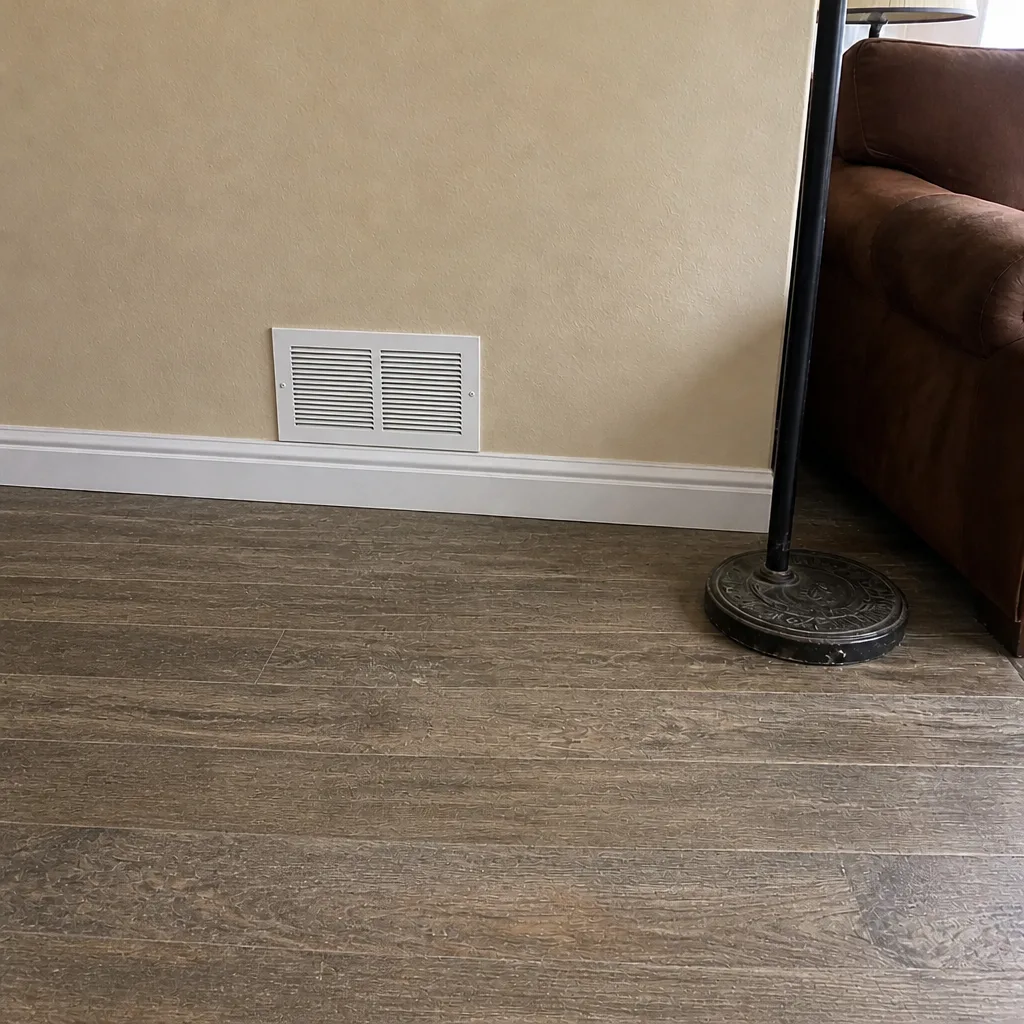
Whole-system duct and dryer vent check with before-and-after photos - you see exactly what came out of your vents
That "$99 whole-house special" is a bait ad - the real number appears once they are in your hallway, or the "clean" is a shop-vac at the register. We photograph the inside of your ducts before and after instead.
Seasonal Air Duct Cleaning Care for Odessa: Year-Round Homeowner’s Guide
Most national HVAC maintenance guides hand you a tidy spring-and-fall schedule, and in most of the country that schedule works. Odessa doesn’t run on that script. Our cooling season starts earlier, runs longer, and gets interrupted by dust events that no generic calendar accounts for. By the time a national guide tells you to “prepare for summer,” your air conditioner may have already been working hard for weeks. This guide maps duct care to what actually happens in West Texas across the year, so you’re working ahead of the season instead of chasing it.
Quick Answer
In Odessa, seasonal duct care follows four anchors rather than four seasons: pre-heat-season prep in February and March, dust storm response from April through June, a peak-cooling system check in July and August, and a transition inspection in October and November. Deep duct cleaning belongs once a year for most homes, tied to whichever anchor fits your household’s dust load, pets, or recent renovation. Filter changes need to be more frequent here than the manufacturer’s box suggests, because the dust load is higher than the national average those intervals were written for.
Styles & brands we work with
- Whole-home duct cleaning
- Dryer vent cleaning
- Camera inspection
- Sanitizing & deodorizing
Table of Contents
- Why Odessa’s Climate Breaks the Standard Maintenance Calendar
- February Through March: Pre-Heat-Season Duct Prep
- April Through June: Dust Storm Response Protocol
- July and August: Peak-Cooling System Check
- October and November: The Transition Inspection
- How Often to Change Filters in Odessa’s Dust Load
- Dryer Vent Cleaning and Its Own Seasonal Priority
- What to Document Each Season for Your Contractor
Why Odessa’s Climate Breaks the Standard Maintenance Calendar
Odessa sits in a semi-arid stretch of West Texas where the year splits into long cooling months, a short heating season, and two sharp transition windows. That shape changes what your ductwork goes through. An HVAC system here can log far more cooling hours than the same equipment in a mid-humidity climate, which means more air moving through the ducts, more dust pulled in, and more wear on the seams and joints that carry that air.
The other factor is windblown dust. West Texas dust events push fine particulate into every gap in a home’s envelope, and the return-side ductwork is often the first place it collects. A house that stays buttoned up through a calm stretch can still accumulate a surprising layer inside the return plenum after a windy month. That’s not a cleaning failure on your part. It’s the local environment doing what it does.
So the standard “service in spring and fall” advice underserves an Odessa home. A better frame is to think in terms of what the system is about to face:
- Before the heat builds: get the system and ductwork ready for the long cooling run.
- During dust season: respond to what the wind brings in, rather than waiting for a scheduled visit.
- At peak cooling: confirm airflow is holding up under maximum demand.
- At the fall transition: reset, inspect, and document before the heating season takes over.
That four-anchor approach is the backbone of everything below. It’s also why we treat air duct cleaning as a scheduled, whole-system job rather than a quick register wipe. The right timing matters as much as the equipment.
February Through March: Pre-Heat-Season Duct Prep
This is the window most homeowners miss. In much of the country, spring prep happens in April and May. In Odessa, your air conditioner may already be running full-time by April, so the real prep window is February and March. Everything you do here is about starting the cooling season with clean, sealed ductwork instead of discovering problems in July when the system is working hardest.
Here’s what pre-heat-season prep involves, in order:
- Inspect the return side first. The return plenum and the main trunk near the air handler collect the most dust. Pull a register grille and look inside with a flashlight. A visible layer of settled dust is your cue to schedule a cleaning.
- Check filter housing and fit. A filter that’s the wrong size or sitting loosely lets dust bypass it entirely. Confirm the filter seats snugly and the housing isn’t cracked.
- Look for disconnected or crushed flex duct. In attics, runs of flex duct can sag, kink, or pull loose at the collar. A disconnected run dumps conditioned air into the attic and pulls dust into the system. This is where a same-visit repair saves a second appointment. We handle duct repair alongside cleaning, so a compromised run gets fixed while we’re already in the system.
- Confirm registers and grilles are clear. Furniture, rugs, and stored boxes blocking returns choke airflow and stress the blower.
- Schedule a whole-system cleaning if it’s been a year or more. Do it before the cooling season loads up, not during.
If your home has a whole-home air quality controller from Honeywell or Aprilaire, this is also the moment to confirm the equipment is reading correctly and the filter media are fresh. Those systems only do their job when the ductwork feeding them is clean.
April Through June: Dust Storm Response Protocol
West Texas dust storms are the single biggest seasonal variable for Odessa ductwork. When a significant dust event rolls through, fine particulate finds its way into return grilles, filter housings, and any gap in the duct system. What you do in the days after matters more than what you do during.
Here’s the post-storm check we walk homeowners through:
- Don’t run the system on a dirty filter. If a storm has passed, change the filter before you run the air conditioner again. A loaded filter just recirculates what it can’t catch.
- Look at the return grille and filter housing. Pull the filter and shine a light into the housing. Visible dust buildup around the filter frame means particulate got past the filter and needs attention.
- Check registers room by room. A thin film on the supply registers is normal. Dark streaks, grit at the vanes, or visible dust on the diffuser face after a storm means the ducts are carrying debris.
- Note any change in airflow or smell. A musty or dusty smell at startup after a storm is a sign the system pulled in more than it should have.
- Compare against your last photo set. If you’ve documented your registers seasonally (more on that below), a side-by-side look tells you quickly whether this storm added a real layer or just surface dust.
For homes near Odessa’s open land and the busier corridors where wind picks up loose soil, the dust load after a big event can justify a cleaning even if the annual schedule isn’t due yet. In our experience, dust events are the number one reason a cleaning gets pulled forward. When the load is heavy, we bring Abatement Technologies containment equipment so the debris comes out of the system and stays out of your living space.
July and August: Peak-Cooling System Check
By July, your system is in its heaviest stretch. In Odessa that means long run times, and long run times expose any weakness in the ductwork. A small leak or a sagging flex run that went unnoticed in March becomes a comfort problem and an efficiency drain when the system is working at its limit.
The peak-cooling check is about airflow and system health, not a full cleaning:
- Feel the supply registers in each room. A room that’s noticeably weaker than the rest points to a duct problem upstream of that register.
- Listen at the air handler. Whistling, rattling, or a strained blower sound can mean restricted airflow from a clogged filter or a crushed duct.
- Check the filter again. In peak cooling season, filter loading happens faster. If you’re on a monthly change routine, this is the month to stay on it.
- Watch for condensation on ducts or registers. In a dry climate this is less common, but a sweating duct in a hot attic can point to a leak pulling humid outside air.
- Note any room that’s become harder to cool. A change in one room is usually a duct issue, not an equipment failure.
If something looks off during the peak check, don’t wait for fall. Airflow problems in July compound quickly, and a compromised duct run fixed now protects the rest of the cooling season. This is also the time when a professional-grade cleaning pays for itself, because clean ducts move air the way the system was designed to.
October and November: The Transition Inspection
The fall transition is the reset window. Cooling demand drops, the heating season comes on, and the ductwork gets a break. Use that break to inspect, clean, and document before the system changes gears. In Odessa the transition is short, so plan the inspection for October if you can.
The transition inspection covers:
- Repeat the return-side and register inspection from February. Compare what you see now against what you photographed in spring.
- Look at the filter and housing after a full cooling season. If the housing shows dust bypass, address it before heating season.
- Check duct connections in the attic for anything that loosened over the summer. Heat and long run times can work joints loose.
- Schedule the annual deep cleaning if it hasn’t happened yet. Fall is a natural anchor point because it resets the system before heating demand.
- Clean the dryer vent (covered in its own section below) as dryer use climbs into cooler months.
For Odessa homeowners who like a single clean starting point each year, the fall transition is the easiest one to build a routine around. From there, the February prep and the April-through-June dust response layer on top.
How Often to Change Filters in Odessa’s Dust Load
The filter interval printed on the box was written for an average home in an average climate. Odessa isn’t average on dust. The practical rule here is to shrink the manufacturer’s interval rather than follow it, and to check the filter by eye instead of by calendar.
What that looks like in practice:
- Start with the manufacturer’s interval, then check sooner. If the box says 90 days, check at 45 and see what the filter looks like.
- Move to monthly checks during dust season (April through June) and during peak cooling (July and August).
- Change immediately after a significant dust event, regardless of where you are in the cycle.
- Match filter type to the job. A high-MERV filter catches more fine dust but loads faster. In a dusty Odessa home, a filter that’s correctly sized and changed on time usually beats an oversized one that clogs in weeks.
- If you have pets or a recent renovation, shorten the interval further. Both add load the manufacturer’s interval doesn’t account for.
Homes with a whole-home air quality system from Honeywell or Aprilaire often use media filters or electronic air cleaners with their own service needs. Those media still load faster in a dusty climate, so the same check-sooner logic applies. If you’re unsure what your system uses, a whole-system cleaning visit is a good time to review it.
Dryer Vent Cleaning and Its Own Seasonal Priority
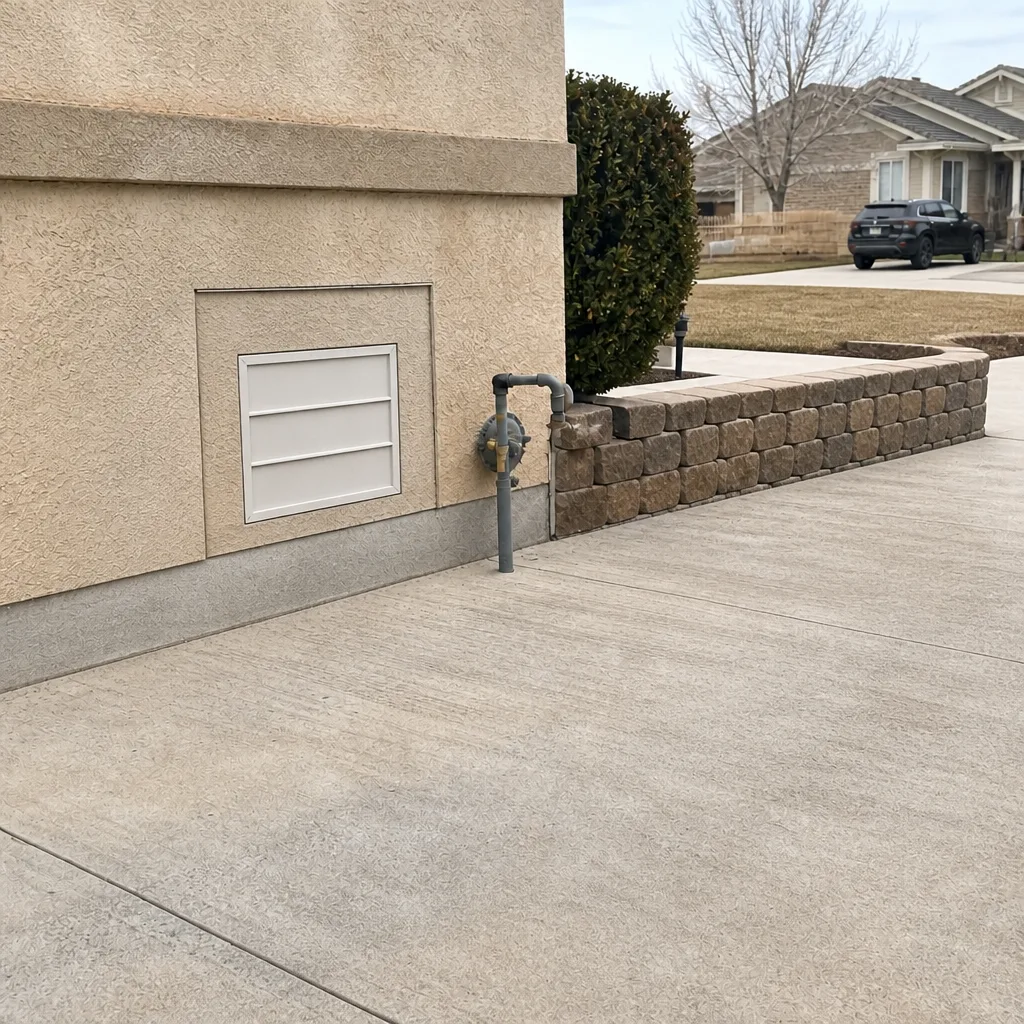
Dryer vent cleaning tends to be treated as a one-time chore, and that undersells it. Lint accumulates in the vent line every cycle, and the buildup peaks in fall and winter when dryer use increases and exterior vent flaps can get stuck or blocked. Odessa’s windblown dust adds to the problem, because the exterior flap is exposed to grit that can jam it open or shut. A jammed flap means lint has nowhere to go.
Why this matters for safety rather than comfort: lint is highly flammable, and a blocked dryer vent is one of the leading causes of residential house fires. That’s why we treat dryer vent cleaning as a home-safety service, not a convenience upgrade. It sits alongside duct cleaning in scope, but it protects against a different risk.
Seasonal signs your dryer vent needs attention:
- Clothes take two cycles to dry when they used to take one.
- The dryer or the laundry room feels unusually hot.
- The exterior vent flap doesn’t open fully when the dryer runs.
- You smell a burnt or musty odor near the dryer.
- It’s been a year or more since the vent was cleaned.
In fall, add a quick look at the exterior flap to your routine. If it’s stuck or packed with lint and grit, that’s a call worth making before the heating season adds more load to the home.
What to Document Each Season for Your Contractor
Good records turn a guess into a diagnosis. When you call a contractor with a real history of what your system has done, the visit starts from facts instead of “it feels dusty in here.” Here’s the documentation routine we suggest for Odessa homes:
- Photograph each register before and after you clean or vacuum around it. Date the photos.
- Record each filter change with the date and the filter type. A simple spreadsheet or notes app is enough.
- Note airflow observations room by room. “Weak in the back bedroom since June” is exactly the kind of detail that speeds up a diagnosis.
- Log dust events when a notable storm passes. Note the rough date and whether you changed the filter afterward.
- Save your last cleaning or repair receipt, including what equipment was used and what was found.
- Note dryer vent timing separately, since it follows its own schedule.
That file gives a technician a running picture of how your ductwork behaves in Odessa’s climate, which is worth more than a single snapshot taken on the day of the visit. It also makes it easier to decide whether a cleaning is genuinely due or whether you can wait for the next seasonal anchor.
Common Mistakes to Avoid
- Following the spring-and-fall calendar from a national guide. Those guides assume a mid-humidity climate with a shorter cooling season. In Odessa, prep belongs in February, not April.
- Running the system on a filter that just saw a dust storm. A loaded filter recirculates what it can’t catch. Change it before the system runs again.
- Assuming a cheaper quote means the same job. Low upfront prices often turn into per-vent charges or add-ons once the technician is on site. Ask for one flat price per system agreed before work starts.
- Ignoring the dryer vent until it’s a fire risk. Lint buildup peaks in fall and winter, and Odessa’s grit can jam the exterior flap. Don’t wait for a symptom.
- Skipping the fall transition inspection. It’s the easiest anchor to build a routine around, and it resets the system before heating season.
- Relying on consumer vacuum equipment for a whole-system job. Rotary brush systems and HEPA extraction are built for ductwork. A shop vac and a register brush aren’t.
- Not documenting anything. A contractor with a real history diagnoses faster and avoids unnecessary work. A folder of dated photos and filter notes is worth the effort.
See the difference
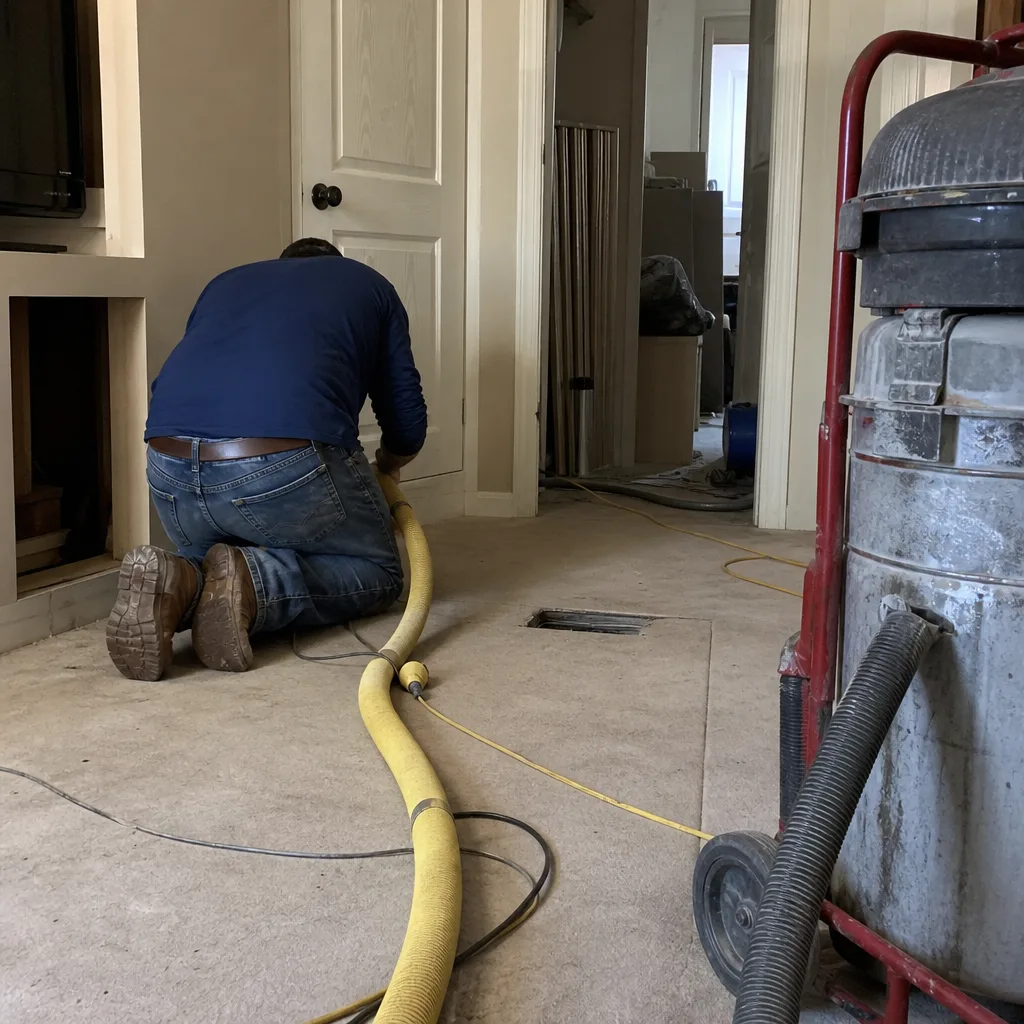 Before
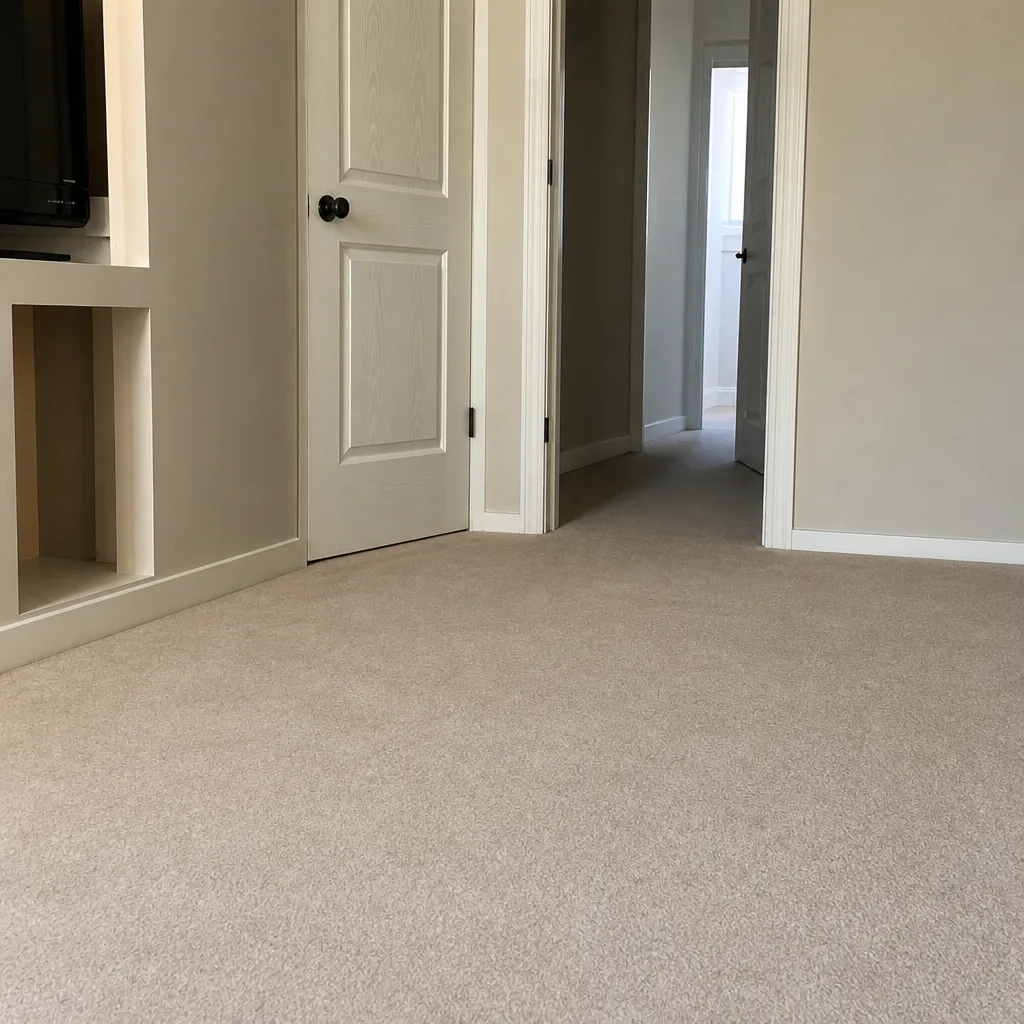 After
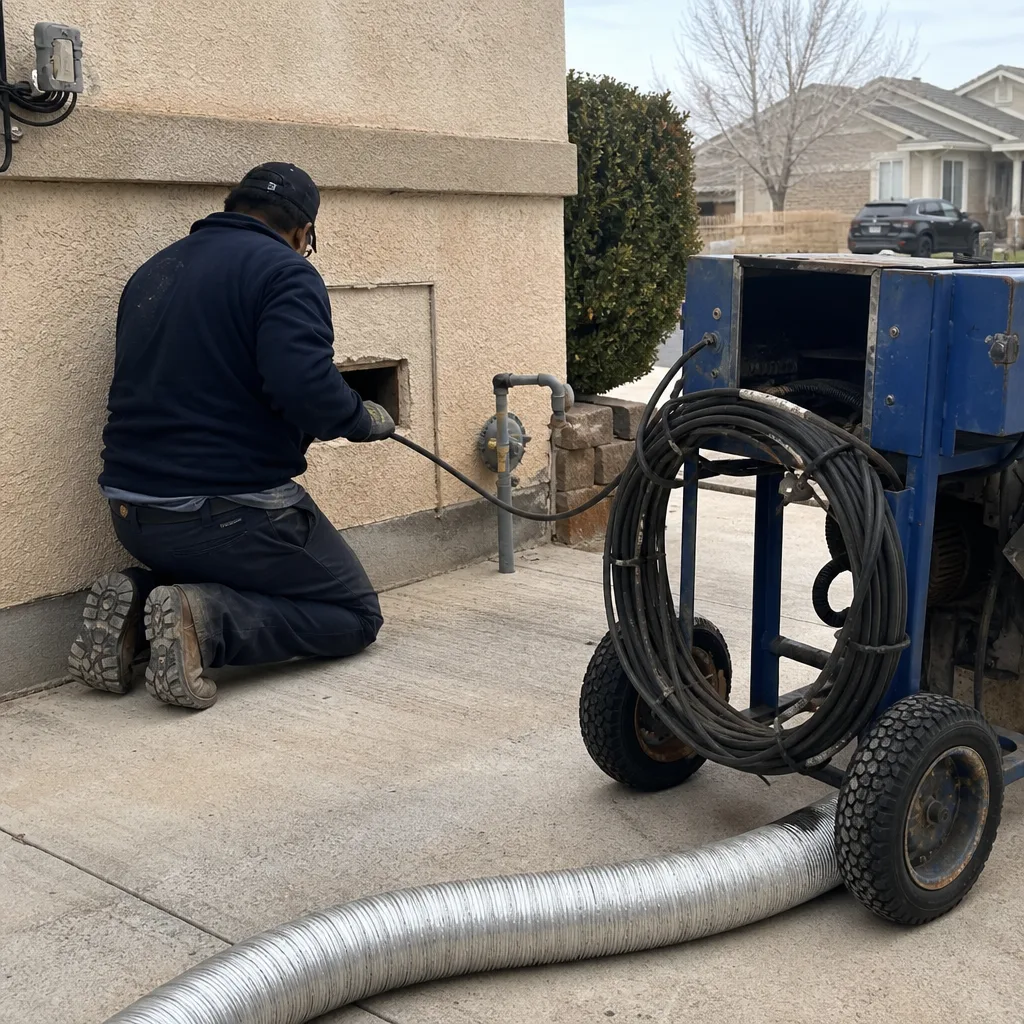 Before
 After
 Before
 After
When to Call a Professional
Call a professional when you see a visible dust layer inside the return plenum or registers that you can’t clear with a vacuum, when airflow has dropped in one or more rooms, or when a dust event has clearly pushed more particulate into the system than your filter caught. Call sooner if your dryer takes two cycles to dry a load or the exterior vent flap is stuck. If ductwork is disconnected, crushed, or visibly damaged, that’s a repair job, not just a cleaning. Duct Cleaning Odessa offers free estimates in Odessa. Call (833) 749-5958. We answer 24/7, with fast dispatch from 7am to 7pm, Sunday through Friday.
Frequently Asked Questions
For most Odessa homes, a whole-system cleaning once a year is the right baseline, plus an extra cleaning after any significant dust event. Homes with pets, recent renovations, or allergy-sensitive occupants often benefit from a shorter interval. The four seasonal anchors in this guide are a practical way to stay on schedule without guessing.
Yes. West Texas dust events push fine particulate into return grilles, filter housings, and any gap in the duct system. The check in the days after a storm is what matters: change the filter, inspect the return side and registers, and compare against your last photo set. If you see visible dust inside the plenum, schedule a cleaning.
Odessa’s dust load is higher than the climate the manufacturer’s interval was written for. Check your filter sooner than the box says, move to monthly checks during dust season and peak cooling, and change it immediately after any significant dust event. Check by eye, not just by calendar.
It’s a safety issue. Lint is highly flammable, and a blocked dryer vent is one of the leading causes of residential house fires. In Odessa, grit can jam the exterior vent flap, which makes lint buildup worse. If your dryer takes two cycles to dry or the flap doesn’t open fully, get the vent cleaned.
Pricing depends on the size and layout of the system and its condition. We quote one flat price per system, agreed before work starts, with no per-vent charges and no coupon math. Call (833) 749-5958 for a free estimate, and we’ll give you a written number based on your home.
Ask for before-and-after photos of your own ducts, not stock images. A real cleaning job produces them, and they should match the registers and return side you can see in your home. That’s the simplest check on whether the work matches the estimate.
The Bottom Line
Odessa’s climate doesn’t follow a four-season maintenance script. It follows two sharp transition points and a cooling season that loads your HVAC system harder and longer than most national schedules anticipate. The four anchors in this guide – February-to-March prep, April-to-June dust response, July-to-August peak check, and the October-to-November transition inspection – give you a routine that matches what actually happens in West Texas. Keep your filter changes shorter than the manufacturer’s interval, give the dryer vent its own seasonal attention, and document what you see. When the work is bigger than a filter change, a whole-system cleaning with professional equipment is the right call.
Contact
If your ducts need a seasonal cleaning, a repair, or your dryer vent needs clearing, we’re here to help. We use professional-grade Rotobrush and Nikro systems, Abatement Technologies containment equipment, and work with Honeywell and Aprilaire air quality systems. Call (833) 749-5958 for a free estimate. We answer 24/7, with fast dispatch from 7am to 7pm, Sunday through Friday. Estimates are free, and the written estimate sets the final price. For a full look at what we do across Odessa, start with Duct Cleaning Odessa.
Written by the team at Duct Cleaning Odessa.