
Last updated November 16, 2026
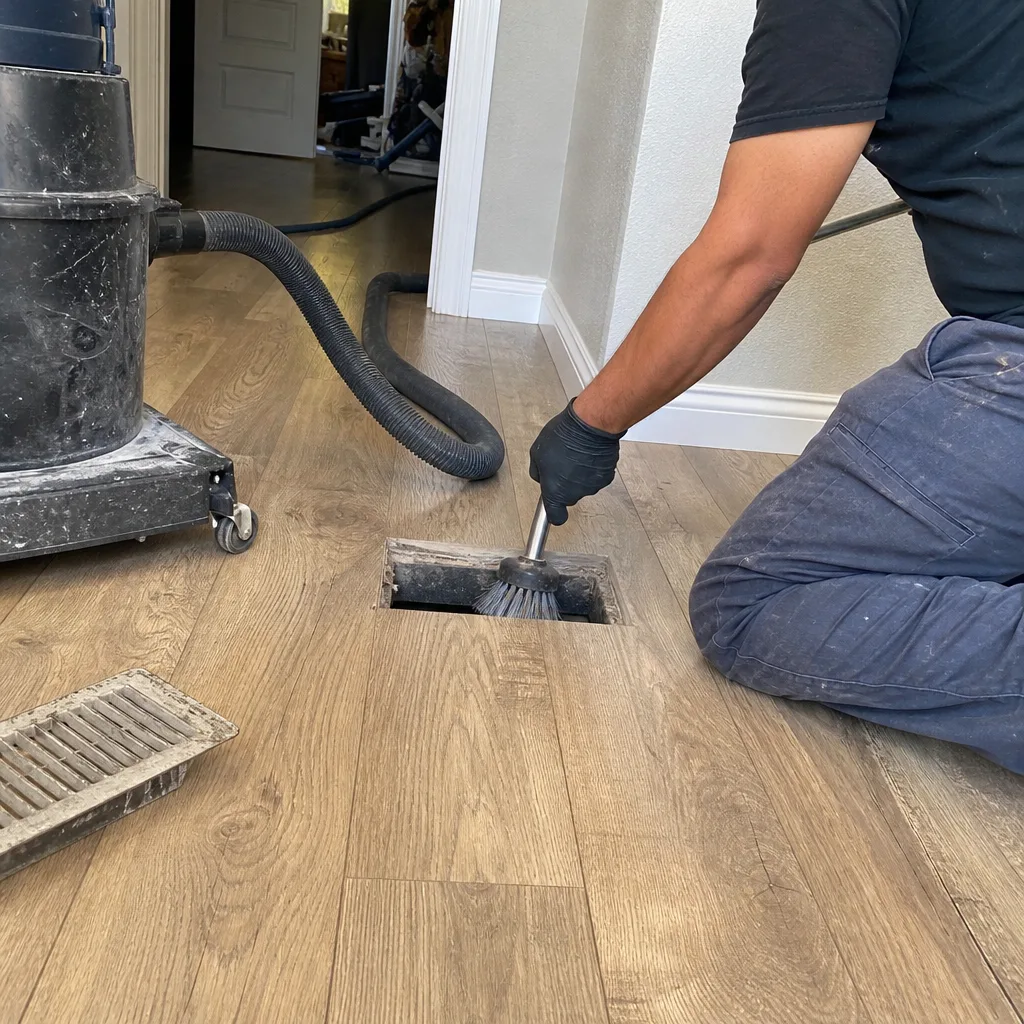
 Whole-home duct cleaning
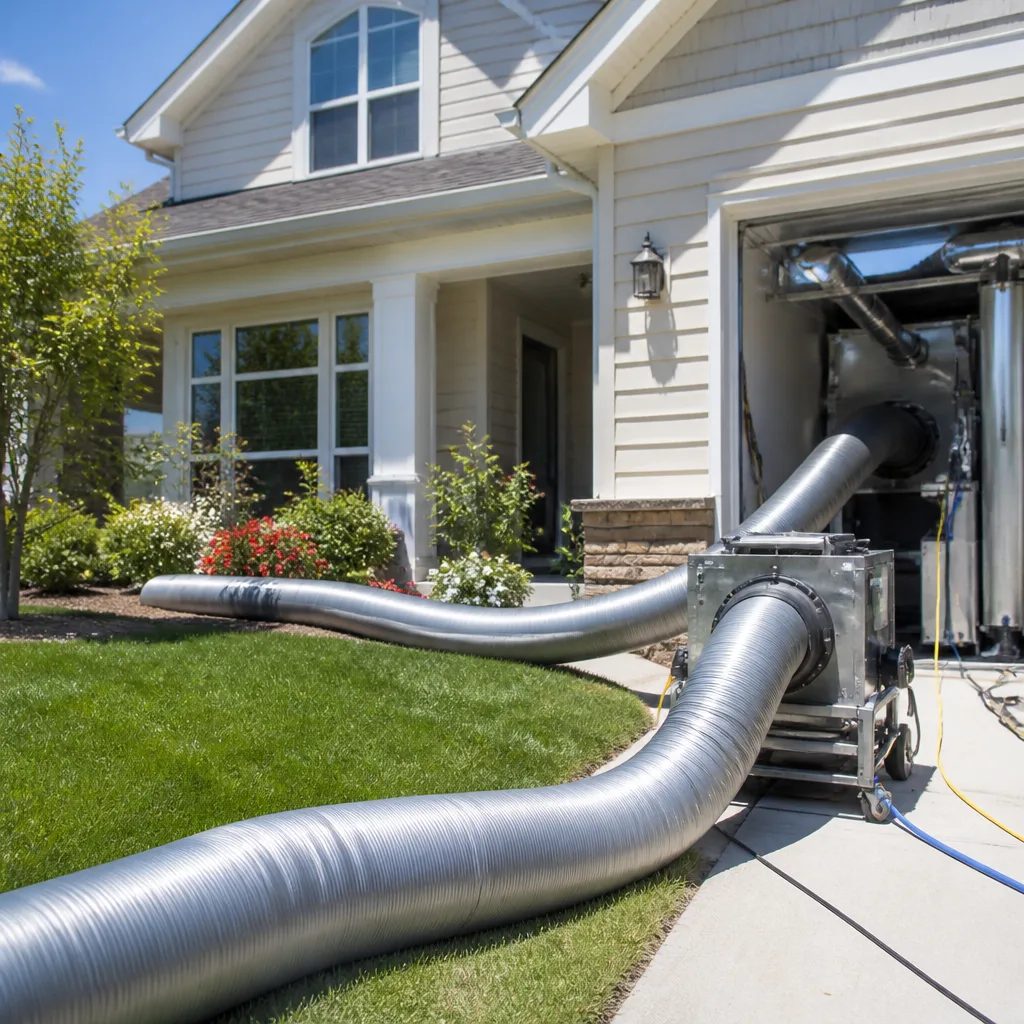
 Dryer vent cleaning
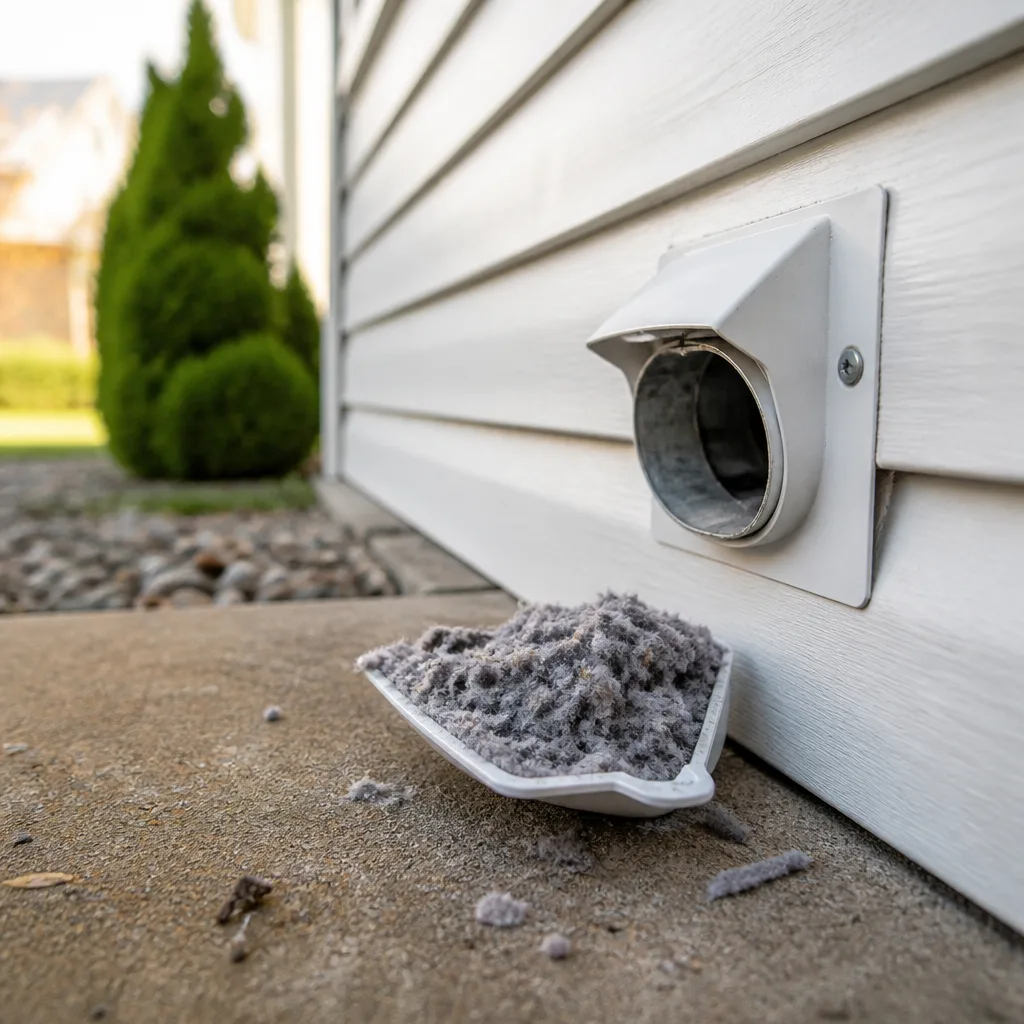
 Camera inspection
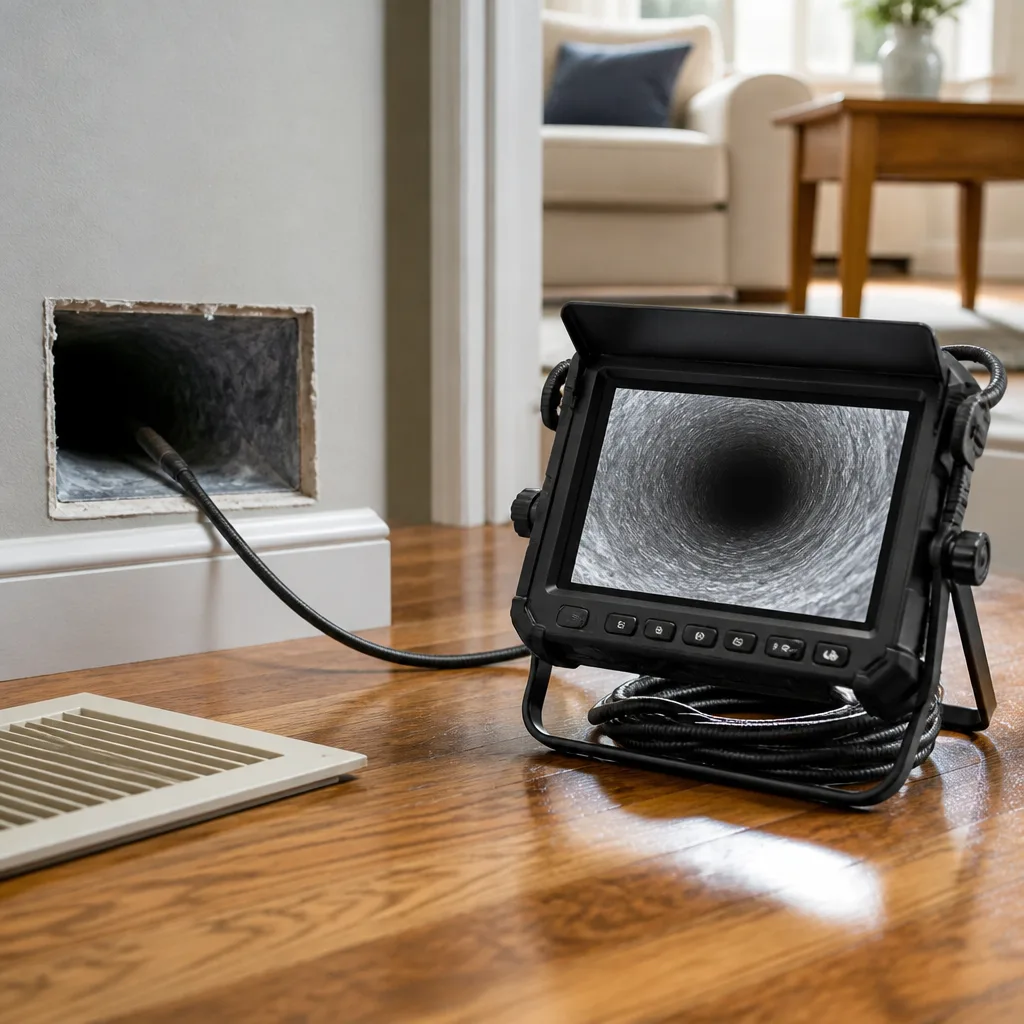
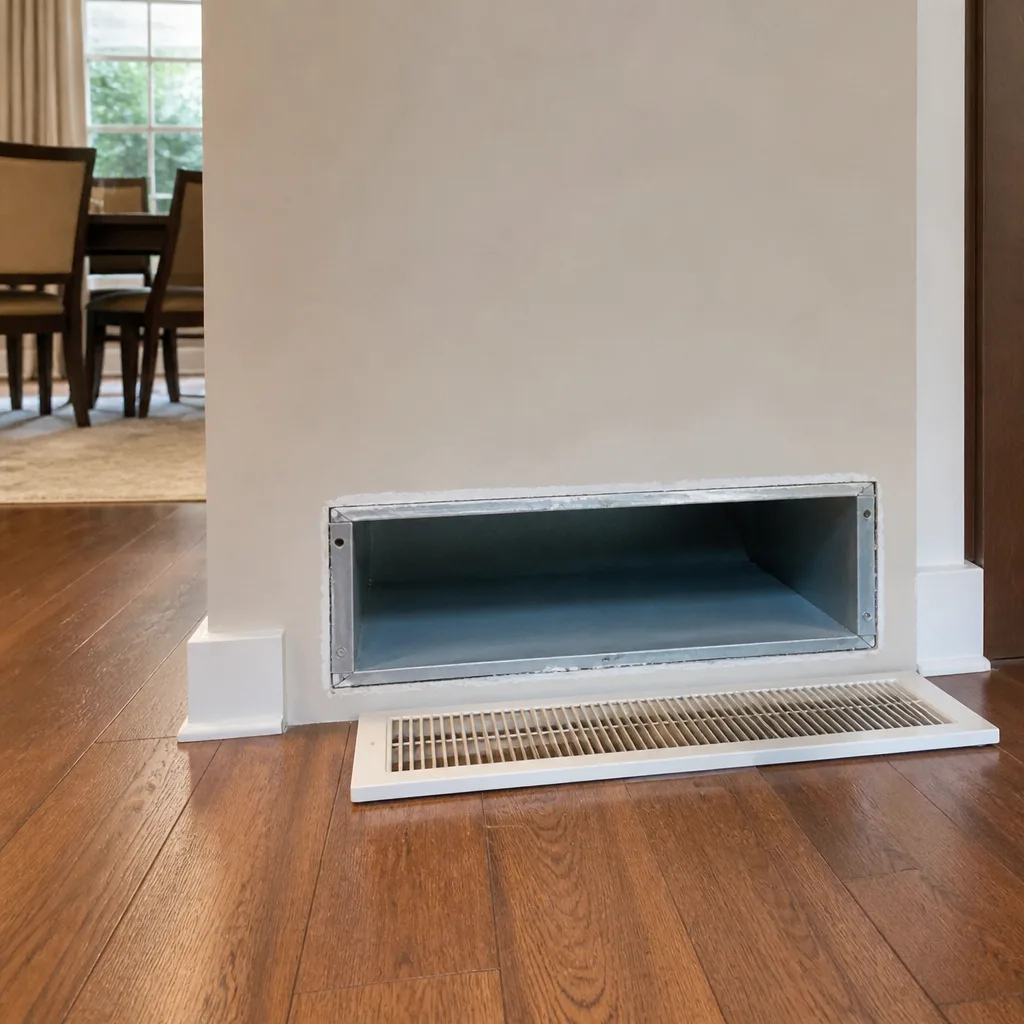 Sanitizing & deodorizing
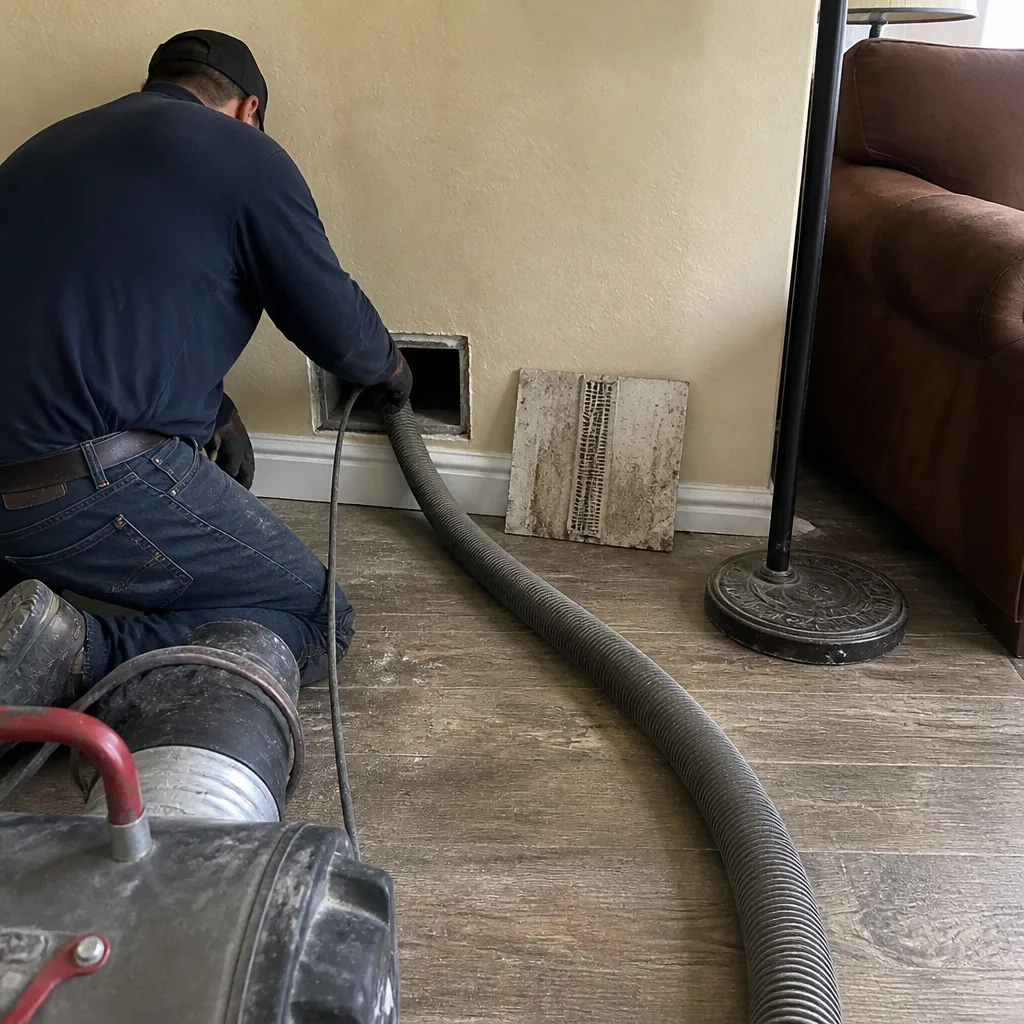
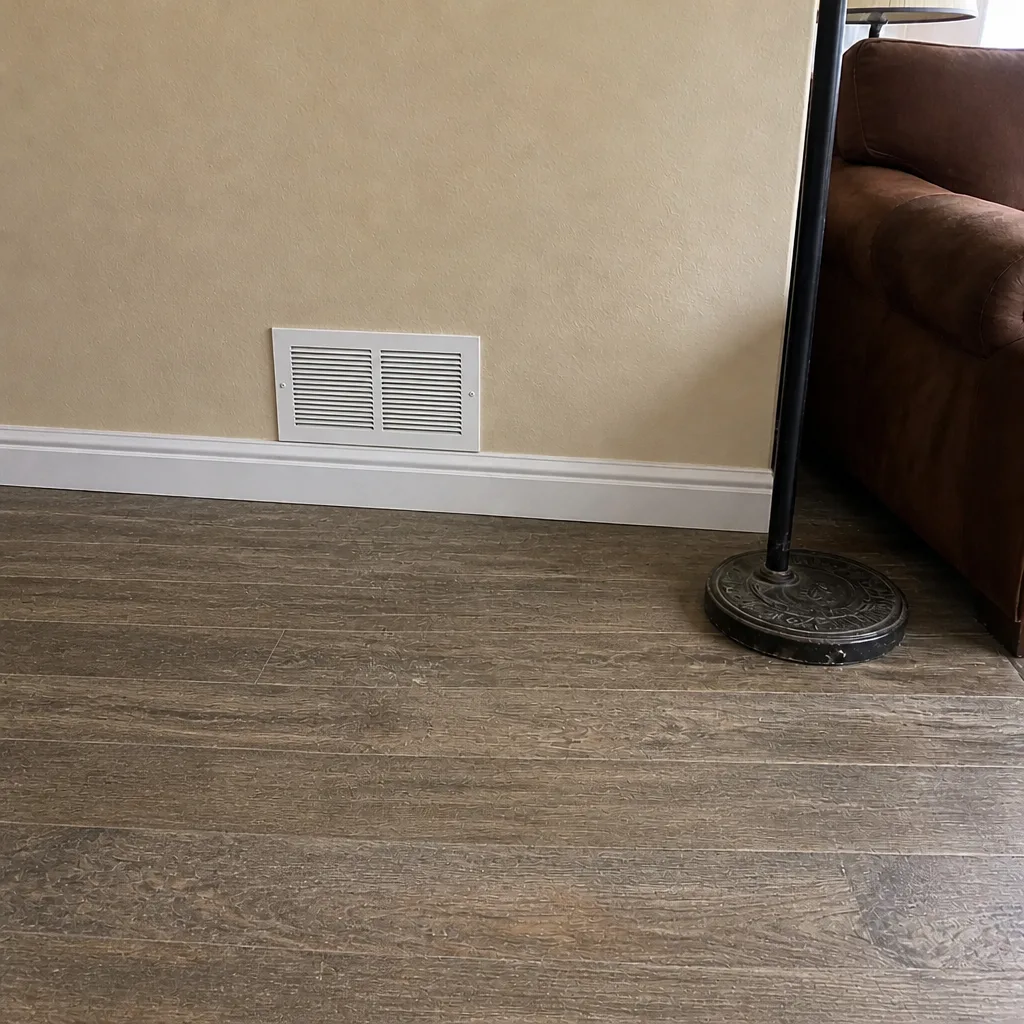
Whole-system duct and dryer vent check with before-and-after photos - you see exactly what came out of your vents
That "$99 whole-house special" is a bait ad - the real number appears once they are in your hallway, or the "clean" is a shop-vac at the register. We photograph the inside of your ducts before and after instead.
Air Duct Cleaning Emergency Preparedness Guide for Odessa Homes
Most homeowners treat duct cleaning as a once-a-decade chore you get to whenever the calendar allows. Then a wall of West Texas dust rolls through, or a summer storm dumps two inches of rain in an hour, and suddenly the air handler is pulling things into your living space that you never planned for. The 30 minutes after the power comes back on is a decision point most people don’t know they have: run the system blind, or check first. This guide gives Odessa homeowners a practical protocol for both weather extremes, from the dust-storm morning after to the flooded crawlspace a week later. We’ll cover what to check, when duct cleaning moves from schedulable to urgent, and how to document everything for an insurance claim.
Quick Answer
After a major dust storm, flash flood, or extended power outage in Odessa, don’t run your HVAC system until you’ve checked the filter, looked inside a few registers, and confirmed the outdoor unit is clear. If you find visible moisture, standing water near floor registers, or a strong musty odor, treat duct cleaning as urgent and get a professional inspection before mold can establish, which can happen within 48 to 72 hours. For dry dust intrusion with no moisture, cleaning can usually be scheduled rather than rushed.
Styles & brands we work with
- Whole-home duct cleaning
- Dryer vent cleaning
- Camera inspection
- Sanitizing & deodorizing
Table of Contents
- What to do before you run your HVAC after a dust storm
- How flash flooding creates a different duct risk
- After a roof or attic event: what an emergency inspection covers
- How to document duct condition for an insurance claim
- Urgent versus schedulable: when cleaning moves to the front of the line
- Power outages and the return-to-service question
- The full post-event protocol, step by step
What to Do Before You Run Your HVAC After an Odessa Dust Storm
After a serious West Texas dust storm, the first run of your HVAC system is the moment of truth. It pushes whatever entered through attic penetrations, unsealed duct joints, and an overwhelmed filter directly into the rooms where you sleep and eat. The system doesn’t know the difference between clean air and a load of Permian Basin caliche dust. So the order of operations matters, and it starts before you touch the thermostat.
Here’s the sequence we recommend to Odessa homeowners after any significant dust event:
- Change or inspect the filter first. Pull it and hold it up to a light. If you can’t see through it, replace it. A loaded filter can’t protect the blower or the coil, and running a clogged system just redistributes what’s already inside the ducts.
- Look inside two or three registers. Remove a supply grille in the room where dust blew in worst and shine a flashlight down the boot. A light film is normal; a visible drift or caked dust along the duct walls means the system needs cleaning before you run it.
- Check the outdoor condenser. Dust and debris pack into condenser fins and around the base. Clear the area around the unit, and if the fins look blocked, have the coil cleaned before you fire up cooling. In Odessa, dust storms coat condenser coils fast.
- Inspect the return air path. Gaps at the return plenum or a disconnected return duct in the attic will pull attic dust straight into the system. If you can see daylight or feel air movement at a joint, that’s an entry point.
- Then, and only then, run the fan briefly. Let it run a few minutes on fan-only if you have that setting, and notice whether the air smells dusty or musty. Smell is a useful signal here.
If steps two through four turn up anything beyond a light film, schedule air duct cleaning before heavy use. Our technicians have up to 10 years of experience reading exactly these signs, and we use Rotobrush rotary brush systems to dislodge what vacuum alone leaves behind.
How Flash Flooding Creates a Different Duct Risk
Odessa sits in country that can go from bone dry to flooded in a single afternoon, and when that happens the duct risk flips completely. Dust is a nuisance. Moisture is a mold problem. Water that enters through floor registers, crawlspace returns, or a flooded mechanical closet wets the interior lining of your ductwork, and once that lining is damp, conditions for mold growth can establish within 48 to 72 hours. The duct system becomes a dark, humid, insulated environment with organic dust as a food source. It’s close to ideal for mold.
What to check after any flooding event near your home:
- Floor registers and boots. Pull a grille and reach down with a dry paper towel. Any dampness, staining, or a musty smell means water reached the duct.
- Crawlspace and under-floor returns. These are the most vulnerable runs in a flood. If the crawlspace took on water, the return ducts above it likely did too.
- Flex duct runs in the attic or low spots. Flex duct sags, traps water, and its inner liner holds moisture. Sagging runs that feel heavy or smell musty need to come out.
- The air handler and coil. A wet coil and wet drain pan are a mold nursery. If water reached the mechanical closet, have the system evaluated before running it.
If you find visible moisture, don’t just run the fan to dry things out. That spreads spores through the whole house. Call for an inspection, and if the ductwork is compromised, our air duct repair service can replace damaged sections rather than leaving them in place. We clean it, and if it needs repair, we fix it, same team, same visit. Since moisture damage often hides behind insulation and in crawlspaces, we bring Abatement Technologies containment equipment on jobs that need a higher level of indoor air quality control.
After a Roof or Attic Event: What an Emergency Duct Inspection Covers
Hail and high wind don’t just damage shingles. When a roof is compromised, the attic becomes an entry point, and everything in the attic, including your duct system, is downstream of that opening. Several things happen at once after an Odessa hail or wind event: attic penetrations open up, displaced insulation gets blown or knocked loose, and that loose insulation can land directly inside duct runs or clog return boxes. Insulation fibers in your supply air are one of the more common things we find after a storm, and homeowners rarely know it happened.
An emergency duct inspection after a roof or attic event should cover:
- Attic penetrations and storm access points. Anywhere wind-driven rain or debris could enter, and whether duct runs near those openings were affected.
- Displaced insulation. Loose insulation sitting on top of or inside duct runs, and whether return boxes have filled with it.
- Disconnected or crushed runs. Wind in an attic can move flex duct, and hail can crush it. A disconnected run dumps conditioned air into the attic and pulls attic air into the house.
- The boot-to-register seal. Ceiling boots get knocked loose, and the gap becomes an air leak.
Our technicians bring Nikro HEPA-rated vacuum equipment to contain debris during cleaning, which matters when the debris includes insulation fiber. The goal is to pull it out without blowing it around the attic or into the house. Familiarity with whole-home air quality components like Guardsman and Aprilaire filtration setups also helps us spot when a filter cabinet has been compromised by the same event.
How to Document Duct Condition for an Insurance Claim
Insurance adjusters deal with hundreds of claims, and what they need from you is evidence, clearly organized. A verbal description of “my ducts feel dusty” won’t move a claim. Photos, written observations, and a contractor report will. If a weather event damaged your home’s duct system or forced cleaning to prevent further damage, document before you clean. Once the ducts are cleaned, the evidence of the problem is gone.
What to capture:
- Wide photos of the affected areas. The attic, crawlspace, and mechanical closet after the event, before any cleanup. Include the roof damage if it’s visible from the attic side.
- Close-ups of the duct problem. Moisture staining inside a boot, insulation inside a duct, a disconnected run, a crushed flex section. Get the grille in the frame for context.
- Register and return photos throughout the house. Show which rooms were affected and which weren’t. Adjusters want scope.
- A written contractor report. What was found, what condition it’s in, and what’s recommended, including the moisture reading or the extent of insulation intrusion. A clear report is often the difference between a paid claim and a denied one.
- Before-and-after photos at cleaning. We photograph your own ducts before and after the work, and that documentation supports both the claim and your own confidence that the job was done.
Keep the originals and provide copies. If an adjuster needs to see the ducts themselves, we can coordinate an inspection visit with photos that cover the same ground. In our experience, claims move fastest when the contractor’s report matches the photo set item for item.
Urgent Versus Schedulable: When Cleaning Moves to the Front of the Line
Not every storm needs a rush job. Part of being prepared is knowing which conditions justify moving duct cleaning to the front of your repair queue and which can wait a week or two on the calendar. Here’s how we help Odessa homeowners make that call after an event.
Treat it as urgent if:
- You have visible moisture. Dampness inside a register, standing water in a mechanical closet, or water in the crawlspace. Moisture plus dust equals mold risk within 48 to 72 hours.
- There’s a strong odor after the event. A musty or earthy smell that persists after a few minutes of fan-only run time is a common mold signal. Don’t wave it off.
- Filtration has been compromised. A filter cabinet knocked loose, a filter bypassed by a displaced grille, or insulation inside a return box. Without filtration, everything in the air enters the system.
- The system runs but the air smells or people react. If occupants notice irritated eyes or a smell that won’t clear, treat it as urgent.
Schedulable if:
- It was a dry dust event with no moisture and no roof or attic damage.
- Registers show only a light film, and the filter is intact.
- You’re doing routine post-event maintenance and there’s no smell, dampness, or visible intrusion.
When in doubt, a professional inspection settles the question without guesswork. Call (833) 749-5958. We answer 24/7. Fast dispatch from 7am to 7pm, Sunday through Friday.
Power Outages and the Return-to-Service Question
Extended power outages are a real hazard in West Texas, particularly in the heat of summer when the grid gets stressed. When power comes back, the system restarts and does its work, but a prolonged outage can leave moisture where it shouldn’t be. In humid conditions, condensate sits in the drain pan and on the coil with no fan moving air across it. If the outage was short, this is normal. If it lasted long enough for the indoor air to get hot and humid, the coil and drain pan can sweat.
Before restarting after a long outage, run through a short checklist:
- Check the drain pan. Is it dry, or is there standing water? A clogged condensate line plus a long outage can overflow the pan.
- Look at the filter. A dirty filter plus a restart with a wet coil is a slow-drying situation. Replace the filter before running the system.
- Confirm the outdoor disconnect and breaker. In an outage that involved a lightning strike or a surge, check for tripped breakers before assuming there’s a deeper problem.
- Listen and smell at the first run. A musty smell or a rattling noise from a duct that shifted during the outage deserves a look.
For a confirmed electrical concern, always use a licensed electrician. Duct cleaning never requires working inside a panel, and we don’t ask homeowners to open one.
The Full Post-Event Protocol, Step by Step
Here’s the whole thing in one sequence, so you can keep it handy. This is the protocol we walk Odessa homeowners through after any meaningful weather event.
- Secure the house first. Close windows, turn off the HVAC, and keep the system off until you’ve checked it.
- Photograph everything before cleanup. Attic, crawlspace, mechanical closet, registers. Wide shots and close-ups. This is insurance gold if you need it.
- Check moisture. Dry paper towel in each floor register, drain pan, and crawlspace returns. Any dampness moves you into urgent territory.
- Inspect the filter and the filter cabinet. Replace a loaded filter, and confirm the cabinet door seals.
- Inspect two or three registers visually. Flashlight down the boot. Light film is fine; drifts or caked dust mean cleaning.
- Check the outdoor condenser. Clear debris and confirm the fins aren’t packed. If the coil looks blocked, have it cleaned before cooling season use.
- Look for attic penetrations and displaced insulation. Note anything that could have introduced insulation or debris into a duct.
- Restart and observe. Fan-only first, if you have it. Then run normally and note any smell, noise, or air-quality complaints.
- Schedule cleaning or repair based on the results. Dry dust with intact airflow is schedulable. Moisture, odor, insulation intrusion, or compromised filtration is urgent.
If step three or step seven turns up a problem, that’s when a professional visit earns its keep. Our technicians use professional-grade Rotobrush and Nikro systems built for real duct cleaning, and when a run needs repair, we handle it in the same visit. You don’t get handed off to another contractor.
We also recommend a quick check of your dryer vent cleaning after any major event, because lint buildup combined with heat is one of the leading causes of residential house fires. A storm that sent you into the attic is a good reminder to have the vent cleared too.
Common Mistakes to Avoid
- Running the HVAC immediately after a dust storm. It pushes everything that got in through vents straight into your living space. Check the filter and registers first.
- Dismissing a musty smell as “just old house.” In Odessa’s dry heat, a musty smell that appears after a flood event is a moisture signal worth taking seriously, and mold can establish within 48 to 72 hours.
- Cleaning before documenting. Once the ducts are clean, the evidence of storm damage is gone. Photograph and get a report before anyone starts work if an insurance claim is possible.
- Assuming a low coupon price means a fair deal. The real risk with duct cleaning is a teaser rate that becomes a much larger invoice once the technician is in the attic. Ask for one flat price per system, agreed before work starts.
- Skipping the crawlspace returns after flooding. These are the most vulnerable runs, and they hide water better than floor registers do.
- Ignoring the condenser after a dust storm. Packed fins on the outdoor unit strain the compressor, and the coil needs cleaning independently of the ducts.
- Treating dryer vent cleaning as a separate someday task. Lint buildup is a fire risk, and post-storm is a sensible time to get it cleared alongside everything else.
See the difference
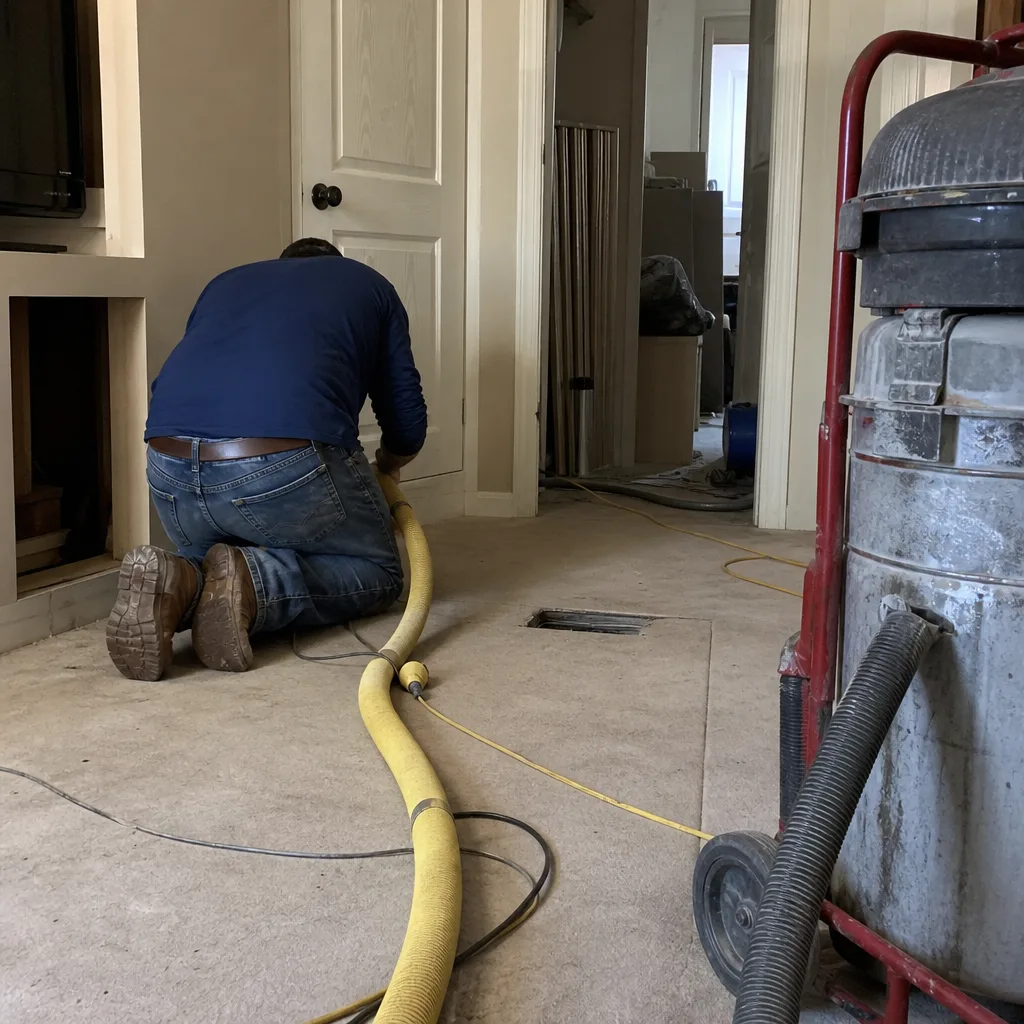 Before
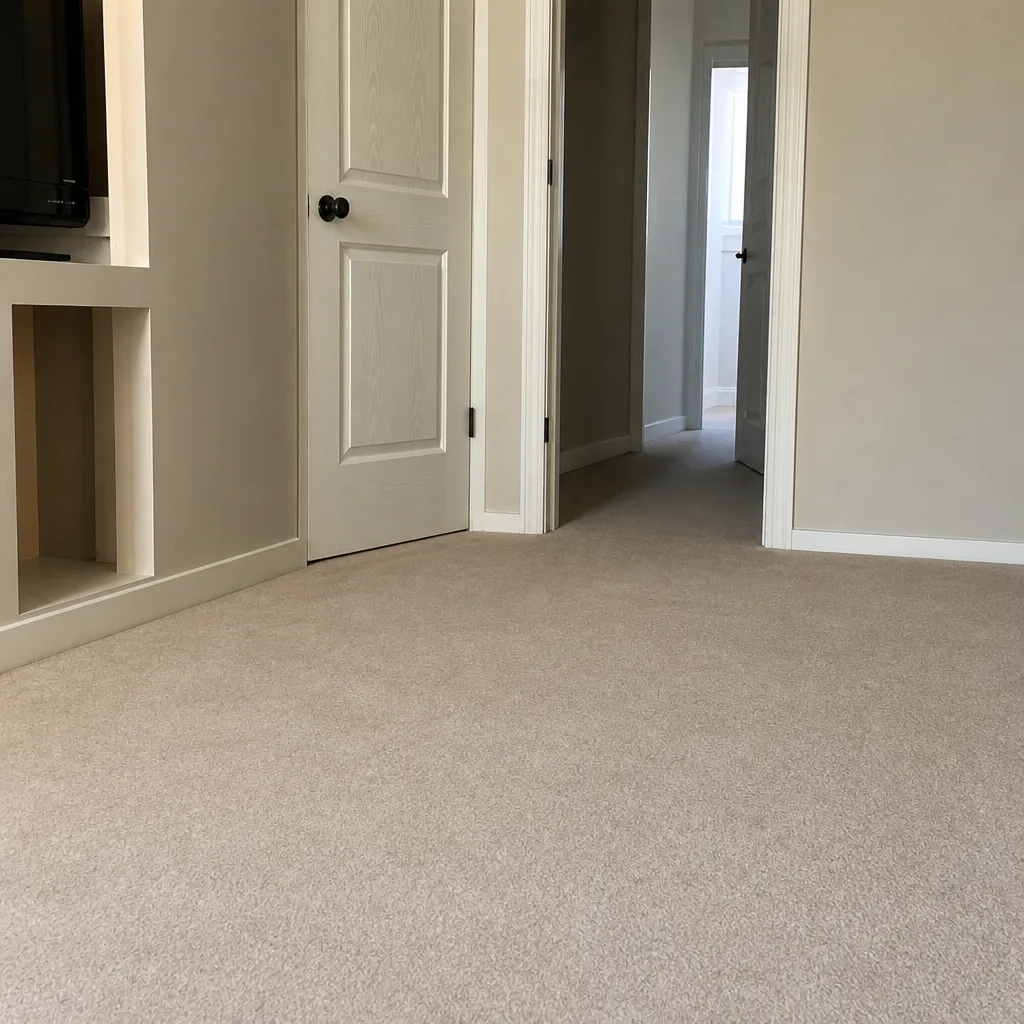 After
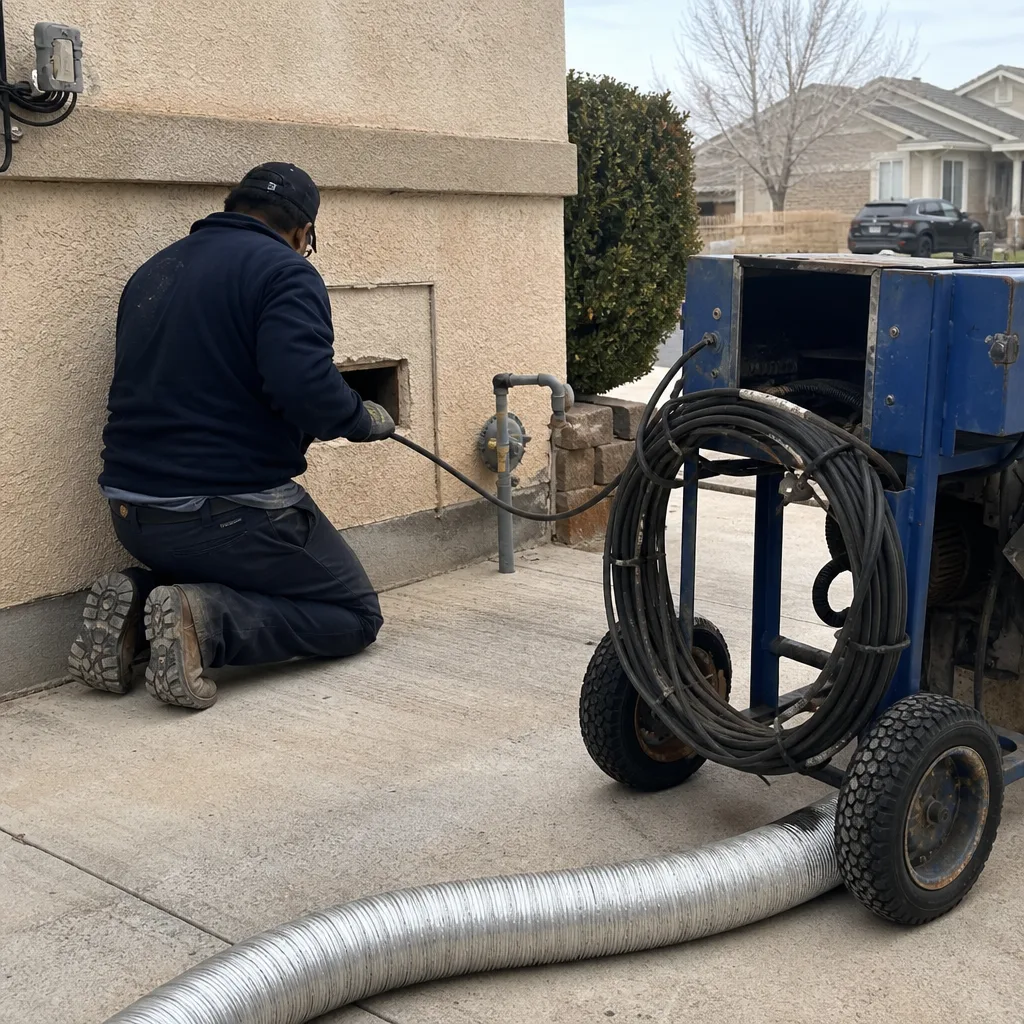 Before
 After
 Before
 After
When to Call a Professional
Call a professional when any of these apply: you found visible moisture in a register, boot, drain pan, or crawlspace; there’s a strong musty odor that returned after the event; a roof or attic event sent insulation or debris into a duct run; filtration has been compromised; or the system runs but the air isn’t clean. For dust-only events with intact filtration, cleaning can be scheduled at your convenience. Duct Cleaning Odessa offers free estimates in Odessa: call (833) 749-5958. We answer 24/7. Fast dispatch from 7am to 7pm, Sunday through Friday.
Frequently Asked Questions
Check your filter and registers first, and if you find dust intrusion beyond a light film, schedule cleaning before heavy use of the system. Dry dust with no moisture is not an emergency, but running the system repeatedly with caked ducts spreads the dust with each cycle. Call (833) 749-5958 for an exact quote. Estimates are free.
Yes, especially through floor registers and crawlspace returns. Water entering at the foundation wets the interior lining of the ductwork, and damp ducts plus dust can establish mold conditions within 48 to 72 hours. If your crawlspace took on water, have the returns inspected before running the system.
It depends on the policy, but claims move faster with documentation: wide photos before cleanup, close-ups of the duct problem, and a written contractor report. Photograph and record before anyone cleans. Once the ducts are clean, the evidence of storm damage is gone.
Because many are teaser prices that balloon once the technician is on site. The professional standard is one flat price per system agreed before work starts, no per-vent pricing, and before-and-after photos of your own ducts. Ask for all three in writing. Call (833) 749-5958 for an exact quote. Estimates are free.
Ask for before-and-after photos of your own ducts, not stock images. Our technicians photograph your system before and after cleaning, and the photos travel with your report. For an insurance claim, those photos plus a written report are the evidence an adjuster needs.
Urgent means visible moisture, a strong musty odor after an event, compromised filtration, or insulation intrusion from a roof or attic event. Routine means dry dust with intact airflow and no smell. If you’re unsure which you have, call (833) 749-5958 for an exact quote. Estimates are free.
The Bottom Line
Odessa’s weather is the variable, but the protocol is the same: check before you run the system, document before you clean, and know the difference between a dust problem and a moisture problem. Dust intrusion with dry conditions is usually schedulable. Visible moisture, a musty odor, compromised filtration, or insulation from a roof event makes cleaning urgent, and mold can establish within 48 to 72 hours. Photograph the damage before cleanup if an insurance claim is possible. Then call the professionals who use professional-grade equipment, agree one flat price per system in writing, and give you before-and-after photos of your own ducts. Duct Cleaning Odessa is here to walk you through it: call (833) 749-5958 for a free estimate. We answer 24/7. Fast dispatch from 7am to 7pm, Sunday through Friday.
If you’re new to the area or just want the full picture on what duct cleaning involves, start with duct cleaning Odessa and our local guide to Odessa.
Written by the team at Duct Cleaning Odessa.