
Last updated November 16, 2026
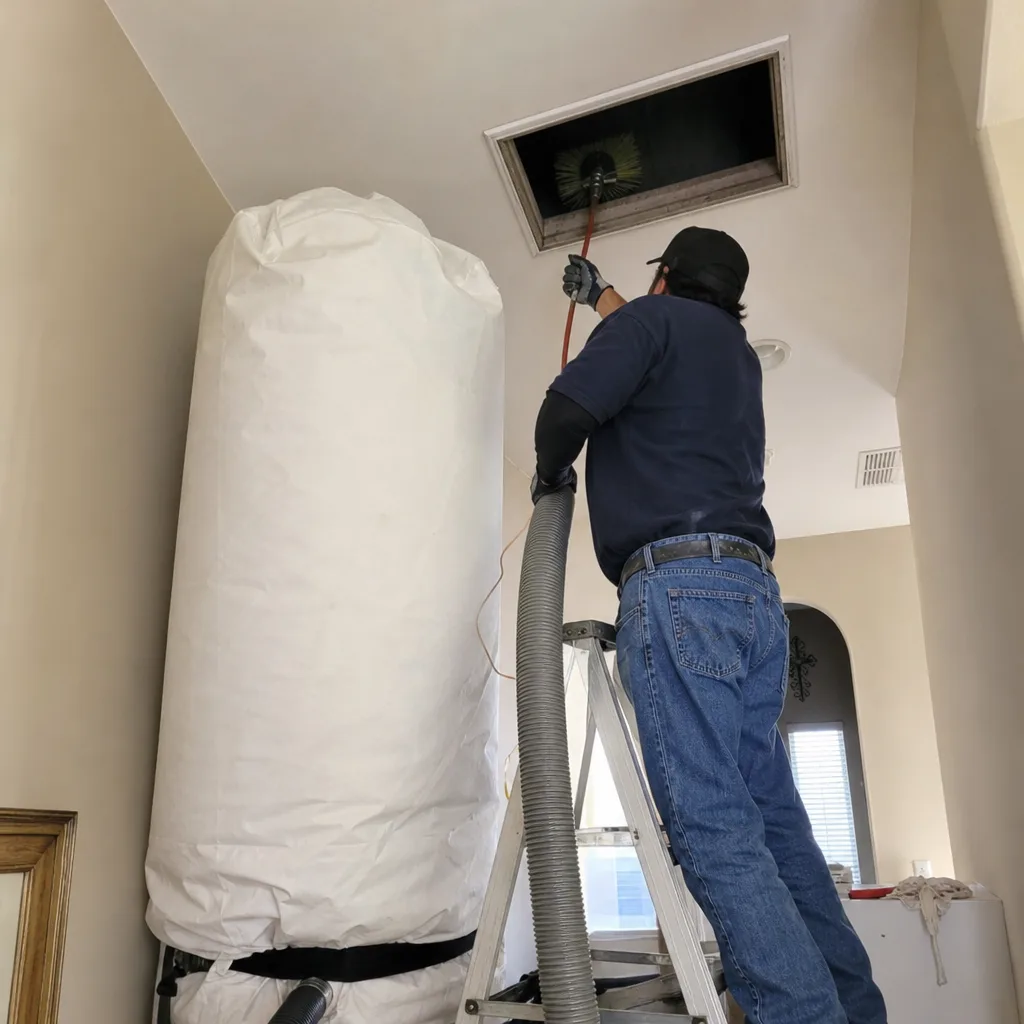
 Whole-home duct cleaning
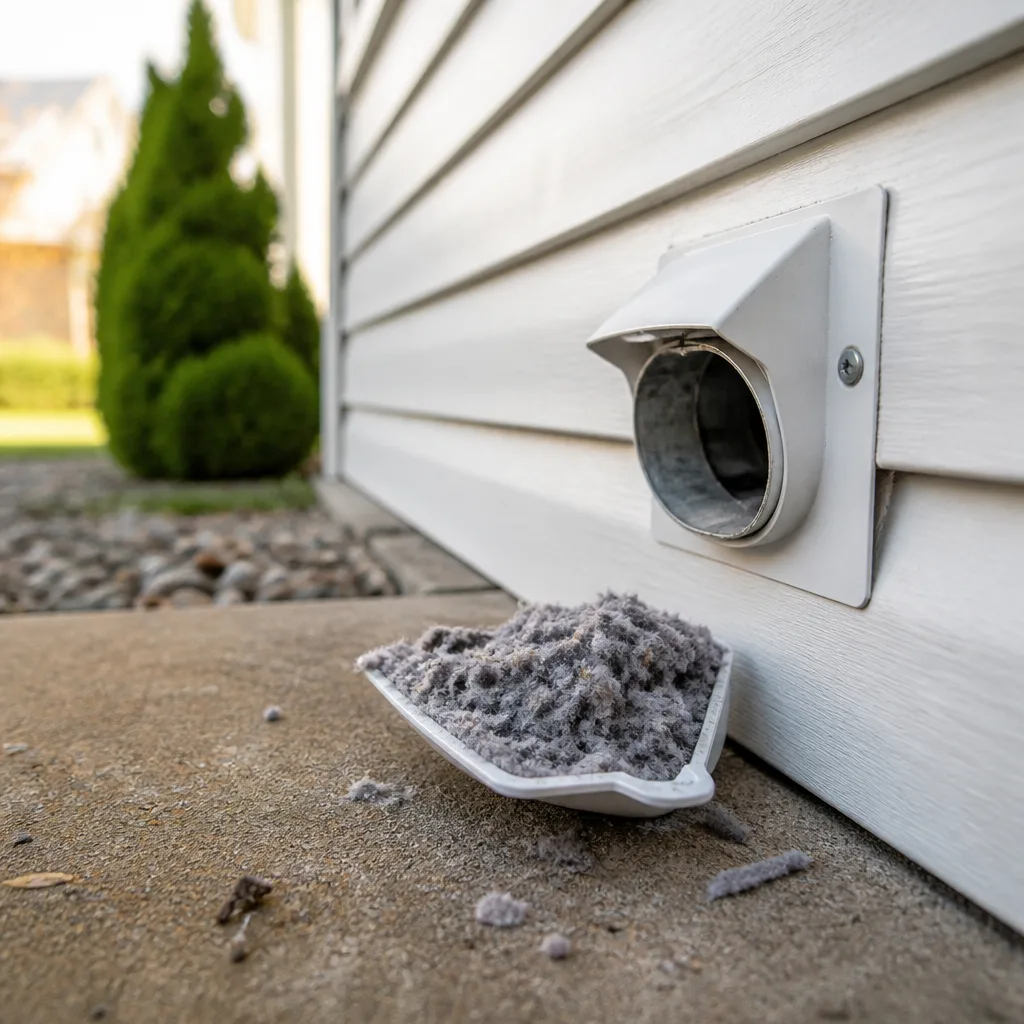 Dryer vent cleaning
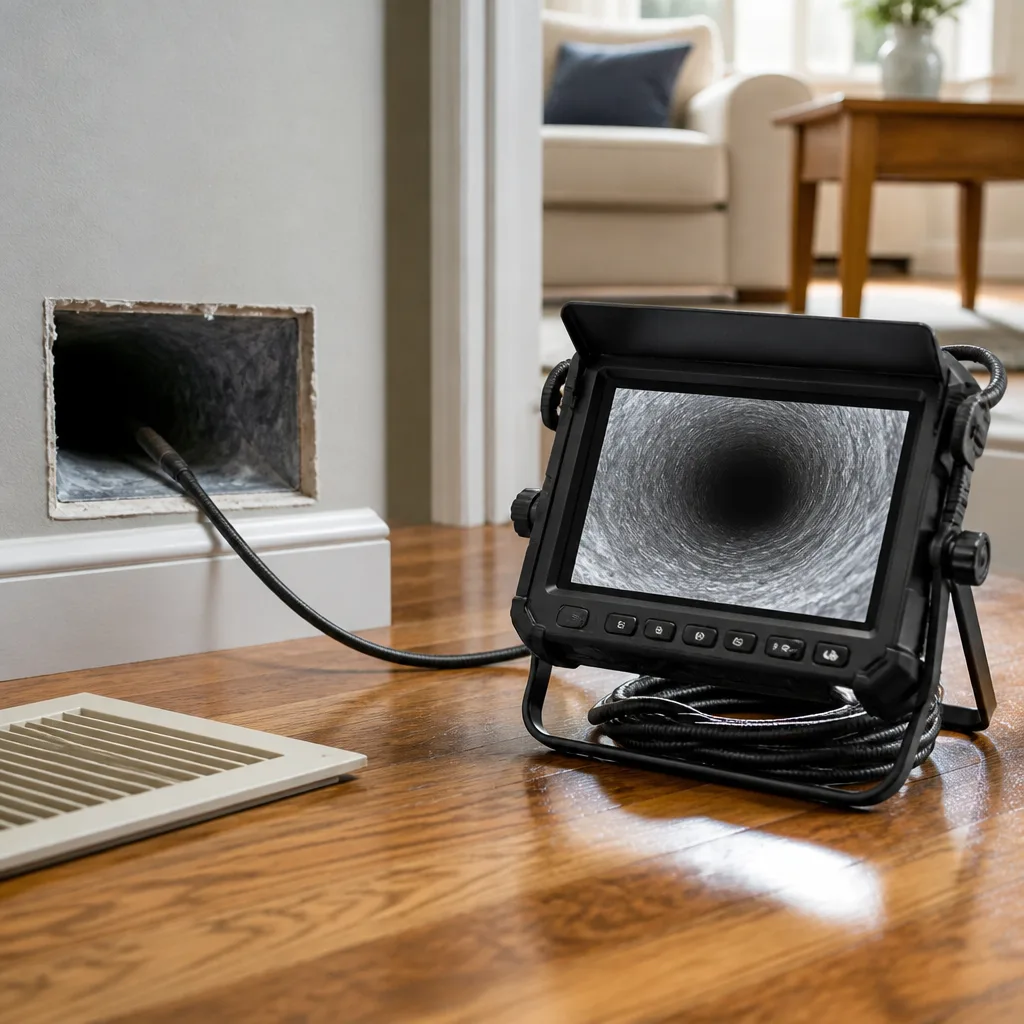 Camera inspection
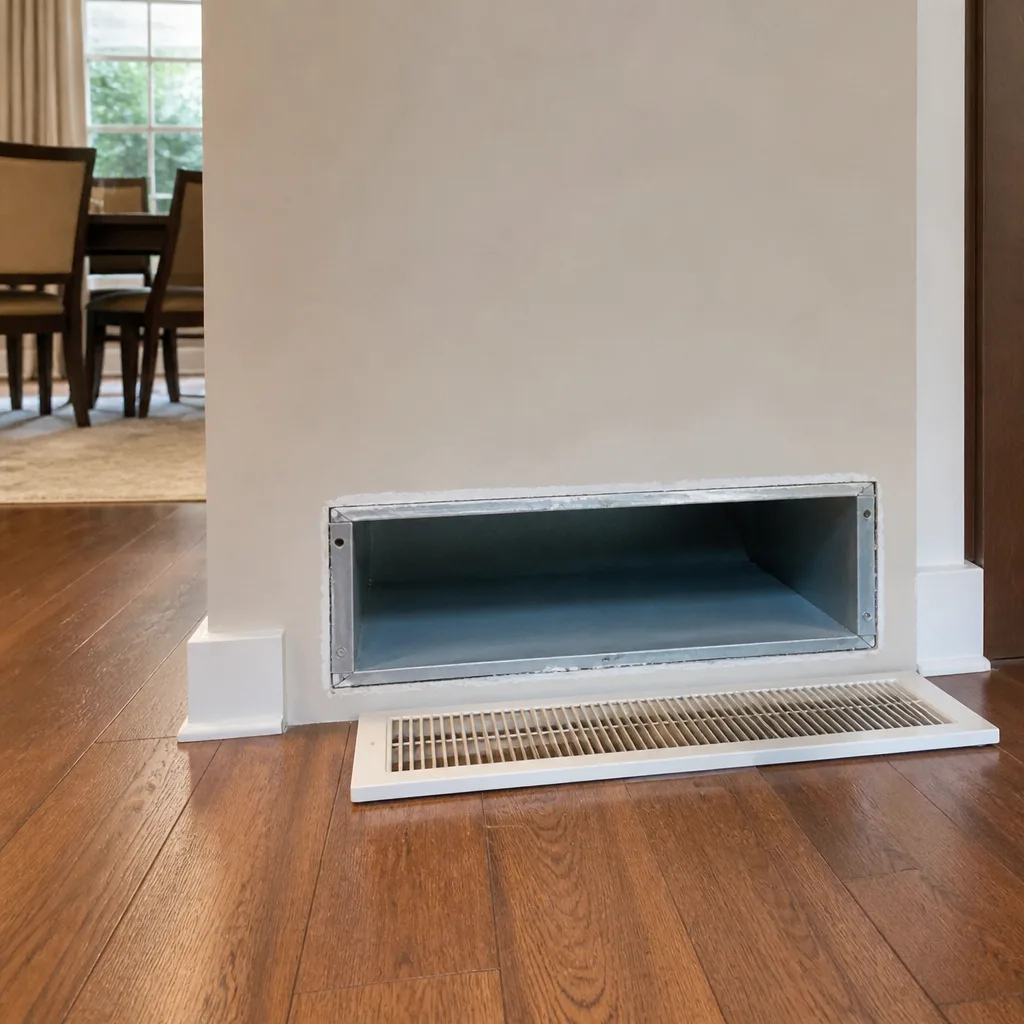 Sanitizing & deodorizing
Whole-system duct and dryer vent check with before-and-after photos - you see exactly what came out of your vents
That "$99 whole-house special" is a bait ad - the real number appears once they are in your hallway, or the "clean" is a shop-vac at the register. We photograph the inside of your ducts before and after instead.
How to Hire an Air Duct Cleaning Contractor in Odessa: A Step-by-Step Guide
A $99 whole-house duct cleaning offer isn’t a deal. It’s a business model built around upselling or underdelivering, and the equipment riding in the van usually tells you which one you’re getting. Most homeowners in Odessa shop this service by coupon price and end up paying for a surface pass with a shop vac hose. The right way to screen a contractor is technical: ask what machine they run, how much air it moves, and what a written scope of work actually says. This guide walks you through that screening process, step by step, so you can tell a real duct cleaning operation from a discount crew before anyone steps into your home.
Quick Answer
To hire an air duct cleaning contractor in Odessa, ask for an on-site assessment before any price is quoted, confirm the vacuum source and its airflow rating, request a written scope of work that lists each component being cleaned, and verify the technician uses professional equipment like a Rotobrush rotary brush system paired with HEPA-rated extraction. A legitimate contractor will inspect return ducts, address dryer vents as a separate safety line item, and stand behind a flat whole-system price instead of a per-vent teaser.
Styles & brands we work with
- Whole-home duct cleaning
- Dryer vent cleaning
- Camera inspection
- Sanitizing & deodorizing
Table of Contents
- Why Odessa Homeowners Get Burned on Low-Bid Duct Cleaning
- Step 1: Demand an On-Site Assessment Before Any Quote
- Step 2: Ask the Equipment Questions That Separate Pros From Pretenders
- Step 3: Understand What NADCA Membership Actually Means
- Step 4: Learn to Read a Job Scope Document
- Step 5: Use Dryer Vent Cleaning as a Vetting Signal
- Step 6: Recognize West Texas Red Flags
- Step 7: Know What a Proper Job Looks Like on the Day
Why Odessa Homeowners Get Burned on Low-Bid Duct Cleaning
Duct cleaning is one of the few home services where the cheapest quote is almost always the least complete job. That’s because the equipment cost is real. A truck-mounted or high-capacity HEPA extraction unit, the rotary brush system that actually agitates debris off duct walls, and the containment gear to keep that debris out of your living space are expensive tools. A contractor charging $99 for a whole house either isn’t using them, isn’t doing the whole house, or is planning to make the difference back on add-ons once the van is in your driveway.
In Odessa, this plays out in a specific way. The housing stock swings from older homes with decades of accumulated dust to newer builds where construction debris and drywall dust settled into the ductwork before anyone moved in. Both cases need genuine mechanical cleaning, not a pass with negative air pressure alone. And the local climate, with its dusty West Texas air and long cooling season, pushes more particulate through a return system than most homeowners realize. That’s exactly why the screening process matters more here than in a milder market.
We’ve watched homeowners pay twice for the same job: once for the cheap pass, then again for the real cleaning. The guide below is designed to catch that before it happens.
What “Whole-House” Should Actually Mean
Beware any offer that calls itself a whole-house clean but prices by vent count. A whole-house job means the supply runs, the return ducts, the main trunk line, the air handler cabinet, and the register boots. If a contractor quotes you by the number of vents and then cleans each one in ninety seconds, they’ve cleaned your registers and skipped the system behind them.
Step 1: Demand an On-Site Assessment Before Any Quote
The single most reliable filter is this: a contractor who quotes you a price over the phone, without seeing your system, is guessing. Duct layouts vary enormously. A home with a long trunk line and multiple returns needs a different approach than a compact single-return setup. Length of run, number of returns, accessibility of the air handler, and the condition of the ductwork all affect both the work and the price.
Here’s what a proper assessment should involve:
- A walkthrough of the system, not just a glance at the furnace. The technician should open the air handler cabinet, check the return plenum, and look at accessible duct sections.
- A look at the return ducts specifically. Returns carry the heaviest debris load and are the most commonly skipped component. If they aren’t mentioned, ask why.
- A written estimate for the whole system, not a per-vent figure. The price should be one number for one complete job, agreed before work starts.
- A conversation about condition. A good technician will tell you if the ducts look compromised, if there’s visible microbial growth, or if the system needs repair before cleaning makes sense.
If you’re scheduling in Odessa, an assessment visit is also the moment to ask about air duct cleaning scope: which components are included, how long the job takes, and what the technician will photograph before and after.
Step 2: Ask the Equipment Questions That Separate Pros From Pretenders
Equipment is where the technical screening gets real. You don’t need to be an HVAC technician to ask the right questions, and a credible contractor will answer them without hesitation.
The Vacuum Source: Truck-Mounted vs. Portable
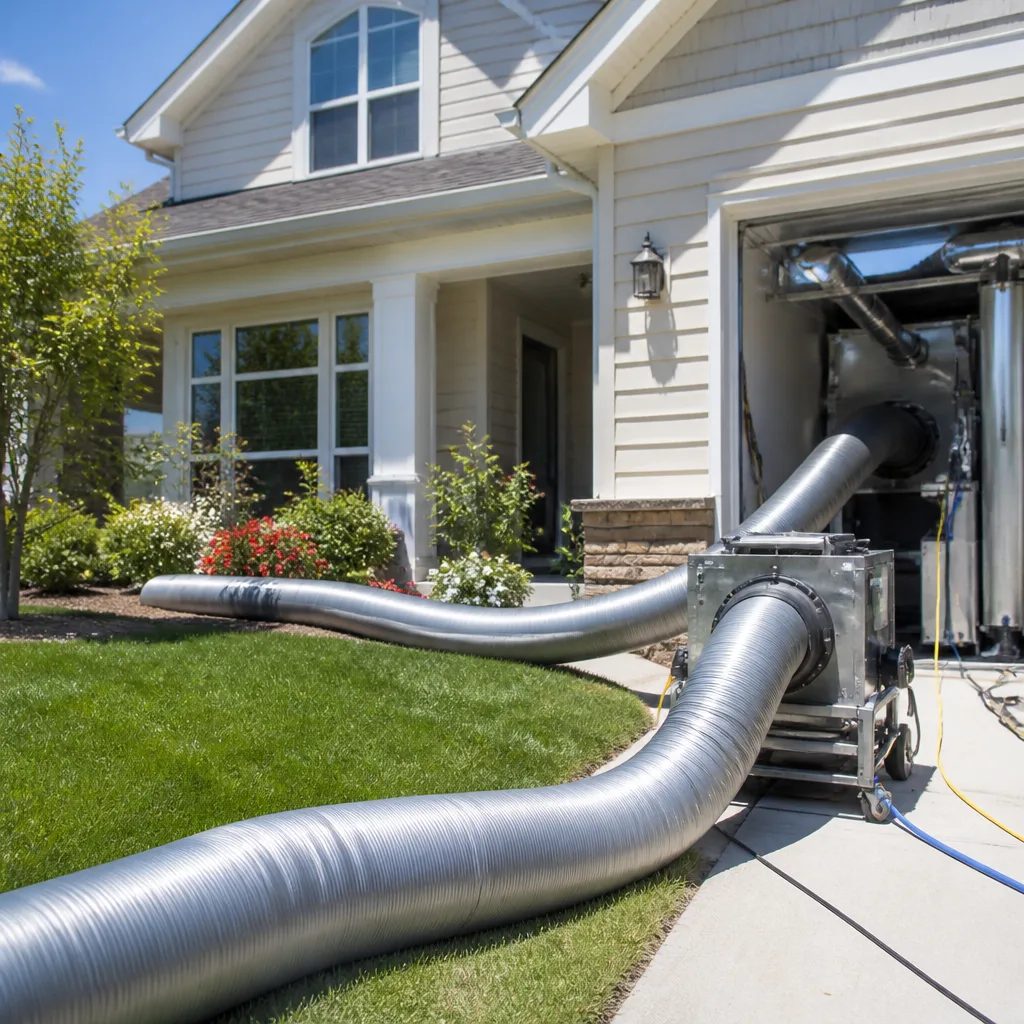
Truck-mounted units typically move far more air than portable units and create stronger negative pressure through the whole system. Portables vary wildly in quality. Some high-capacity portables with HEPA filtration are genuinely professional. Others are little more than a shop vac on a dolly. Ask which it is, and ask for the airflow rating.
CFM Ratings: The Number That Matters
CFM stands for cubic feet per minute, and it tells you how much air the vacuum can pull through the ductwork. Strong negative pressure is what prevents debris from blowing back into your rooms. If a contractor can’t tell you the CFM rating of their unit, that’s a warning sign. A serious operation knows its equipment specs.
Contact Cleaning: The Brush Question
Negative air pressure alone pulls loose dust. It doesn’t scrub the material stuck to duct walls. That requires mechanical contact cleaning: a rotary brush system that agitates the surface while the vacuum extracts what’s loosened. Ask directly whether they use a rotary brush. A professional answer names the system, and many serious contractors run a Rotobrush setup for exactly this purpose.
The Brand Questions to Ask
- What rotary brush system do you use? The answer should name professional equipment, not a consumer product.
- What’s the vacuum source, and is it HEPA-rated? HEPA filtration matters for containing what’s extracted.
- Do you use any containment equipment for sensitive jobs? Serious indoor air quality work involves containment, and contractors equipped with Abatement Technologies gear are set up for that level of work.
- Do you handle air quality accessories on the system? Familiarity with Honeywell and Aprilaire components signals a contractor who understands whole-home air quality equipment, not just duct interiors.
These four questions will separate a real operation from a coupon crew faster than any review score.
Step 3: Understand What NADCA Membership Actually Means
NADCA is the National Air Duct Cleaners Association, and you’ll see its name on a lot of contractor websites. What it actually means in practice is more complicated than a logo. NADCA publishes a standard of care for the industry and offers certification for the people doing the work. The operative word is “active.” A contractor can list NADCA on a site without any currently certified technician on staff.
So ask two specific questions:
- Are you a member, and is that membership current? Membership is verifiable.
- Do you have an actively certified technician on staff? Certification is individual, not corporate, and it can lapse. The best answer names a certification that’s in good standing right now.
Certification and equipment aren’t substitutes for each other. A certified technician running undersized equipment still can’t do the job properly, and a team with strong equipment but no accountability for the standard of care is a gamble. You want both signals together: current credentials and professional tools.
If a contractor’s only credential is a website badge with no way to verify it, treat that as neutral information, not proof.
Step 4: Learn to Read a Job Scope Document
The job scope is where most homeowners get taken, because they don’t know what a complete scope looks like. A proper scope of work is specific. It names components, lists steps, and tells you what will happen if the technician finds a problem.
Line Items a Complete Scope Should Include
- The supply and return duct runs, itemized
- The main trunk and branch lines
- The air handler cabinet and blower compartment
- Register and grille removal for cleaning and reinstallation
- Mechanical agitation method (rotary brush) and vacuum source
- Containment or HEPA extraction for what’s loosened
- Before-and-after photos of the actual ducts, your ducts, not stock images
- A note on any duct defects found, with repair quoted separately and only if you approve
Vague Language to Challenge
When a scope says “full system clean,” ask them to define it. Specifically: does that include the returns? Does it include the air handler? Does it include contact cleaning or only negative pressure? “Full system” is not a scope. It’s a phrase. A contractor who can’t break it down into the line items above isn’t operating to a professional standard.
This is also the point to ask about repair. Ducts get disconnected at joints, torn at seams, and crushed in tight runs. A contractor who can identify the problem but can’t fix it is going to hand you off to a second company. That’s why we offer Duct Cleaning Odessa with duct repair folded into the same visit: one team documents the issue, quotes the fix, and completes both.
Step 5: Use Dryer Vent Cleaning as a Vetting Signal
Here’s a vetting tactic most homeowners miss: ask whether the contractor also cleans dryer vents. The answer tells you something about how their operation is built.
Dryer vent cleaning is a genuinely different job from duct cleaning. It requires its own tools: a rotary brush sized for the vent, a vacuum to extract lint, and the ability to access a vent run that often makes several bends behind a wall. A company equipped to do that properly is generally running a more professional operation overall, because they’ve invested in specialized equipment for a service that isn’t as easy to fake as duct cleaning.
It also matters for safety. Lint accumulation in a dryer vent is a leading cause of residential house fires. If you’re hiring for dryer vent cleaning anyway, asking about it during the screening call gives you two data points at once: whether they’re equipped, and whether they take the safety side of the work seriously enough to offer it.
A contractor who says “we’ll throw in the dryer vent” without discussing how they’ll access the run is not equipped to do it properly. A contractor who names the tools and the process is.
Step 6: Recognize West Texas Red Flags
Oddessa’s local market has its own patterns, and some contractor behaviors that pass unnoticed elsewhere are warning signs here.
Quotes Without an Assessment
Already covered, but worth repeating because it’s the most common. If they quote a price before seeing the system, they’re guessing and you’ll be renegotiating on arrival.
Pricing by Vent Count Only
Vent count is one variable among several. A contractor who prices only by vents is skipping the returns, the trunk, and the air handler, or planning to charge for them later.
No Mention of Return Duct Inspection
Returns carry the heaviest load and are the most frequently skipped part of a job. If a contractor never mentions returns in the screening call, ask directly. Their answer will be informative.
Pressure Selling Add-Ons
If the technician arrives and immediately starts pointing out problems that weren’t mentioned in the assessment, that’s a pattern. A professional will document defects and quote repair separately with your approval. They won’t manufacture urgency on the spot.
No Photos, No Scope Document
A written scope and before-and-after photos are the accountability layer. A contractor who offers neither can’t show you what was actually done.
Step 7: Know What a Proper Job Looks Like on the Day
Once you’ve hired, a properly run job follows a predictable sequence. Knowing what to expect helps you spot when something isn’t right.
- Prep and containment. Floor protection, register removal, and containment at the air handler and any open duct run so debris doesn’t migrate into living space.
- Negative air establishment. The vacuum source is connected and running before any agitation begins, so loosened debris is extracted rather than released.
- Mechanical agitation. Rotary brush work through the supply and return runs, and handling of the trunk and branch lines.
- Air handler and blower cleaning. The cabinet and blower compartment get attention because debris collects there.
- Photo documentation. Before-and-after shots of your actual ducts, which is your evidence the work happened.
- Register reinstallation and a final walkthrough. Registers go back on, and the technician walks you through what was found and what was done.
If any of these steps are skipped, that’s the moment to ask questions. The written scope you agreed to is your reference.
Common Mistakes to Avoid
- Jumping at the coupon. A $99 whole-house offer is a marketing structure, not a price. The job that actually gets done is either narrower than advertised or costs more once the technician is inside.
- Skipping the assessment. Any quote given over the phone, without someone walking the system, is a guess that will change.
- Asking only about the number of vents. Vent count is one variable. Returns, trunk line, and air handler matter more to the actual result.
- Accepting “full system clean” as a scope. Push for the line items. A vague scope protects the contractor, not you.
- Ignoring the dryer vent. If the contractor isn’t equipped to handle it, that tells you something about how the rest of the operation is built.
- Not asking for photos. Before-and-after photos of your ducts are the only real proof the work was done. No photos, no confidence.
- Assuming a website badge equals a certified technician. Verify current membership and current certification separately, and don’t take a logo as proof of either.
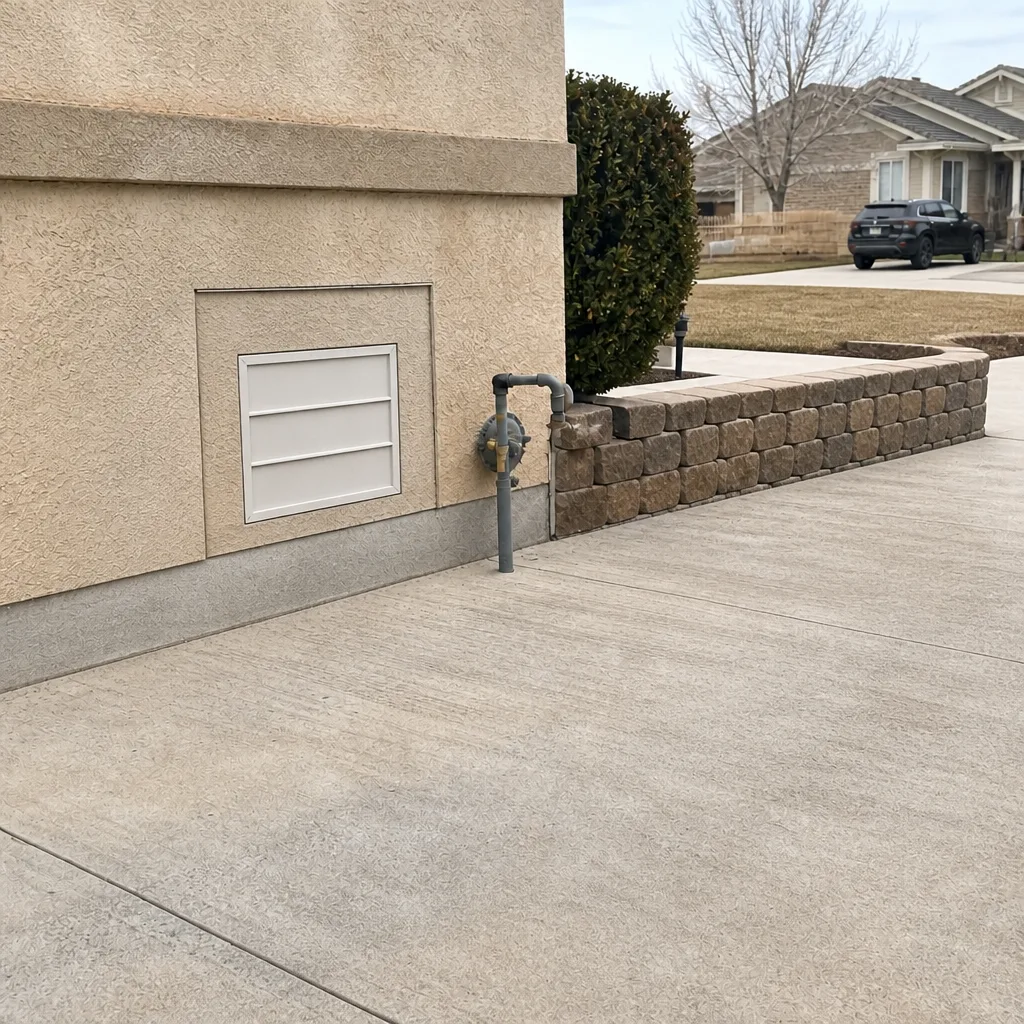
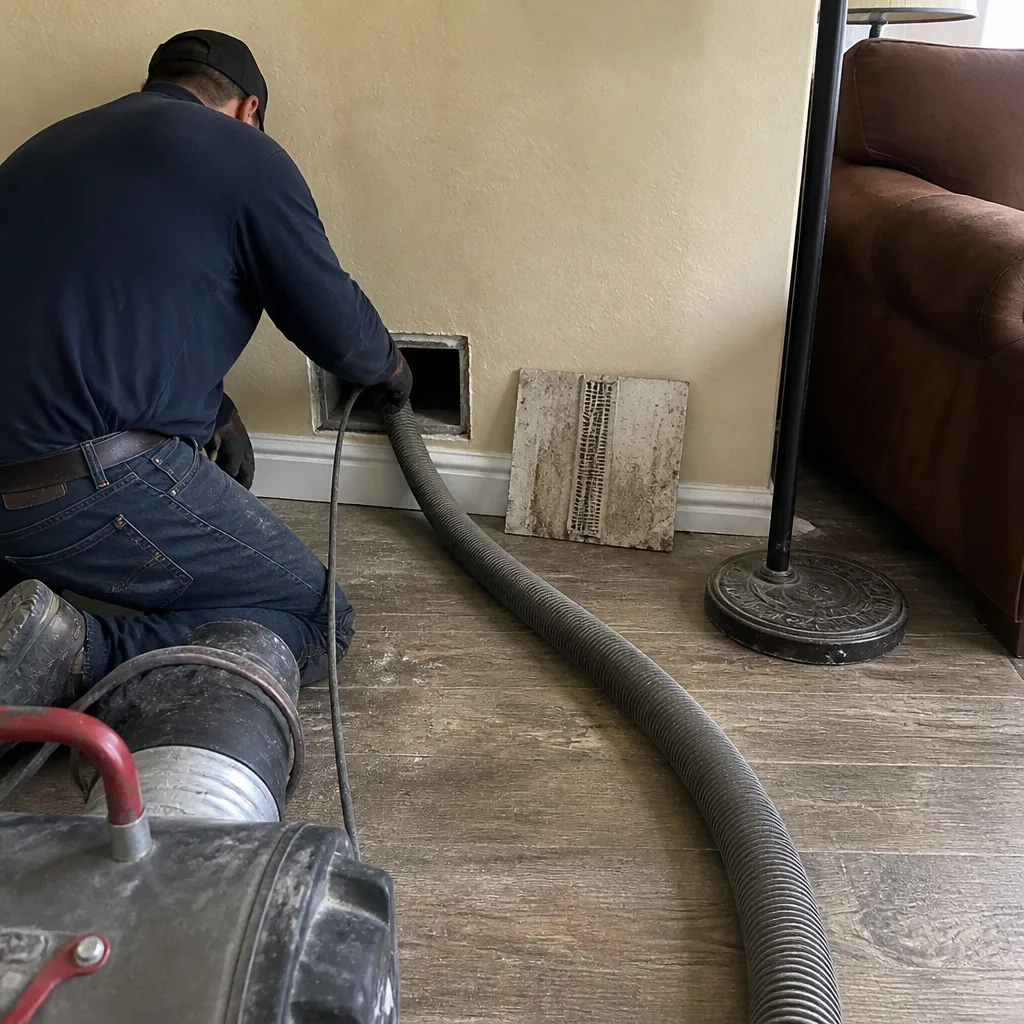
See the difference
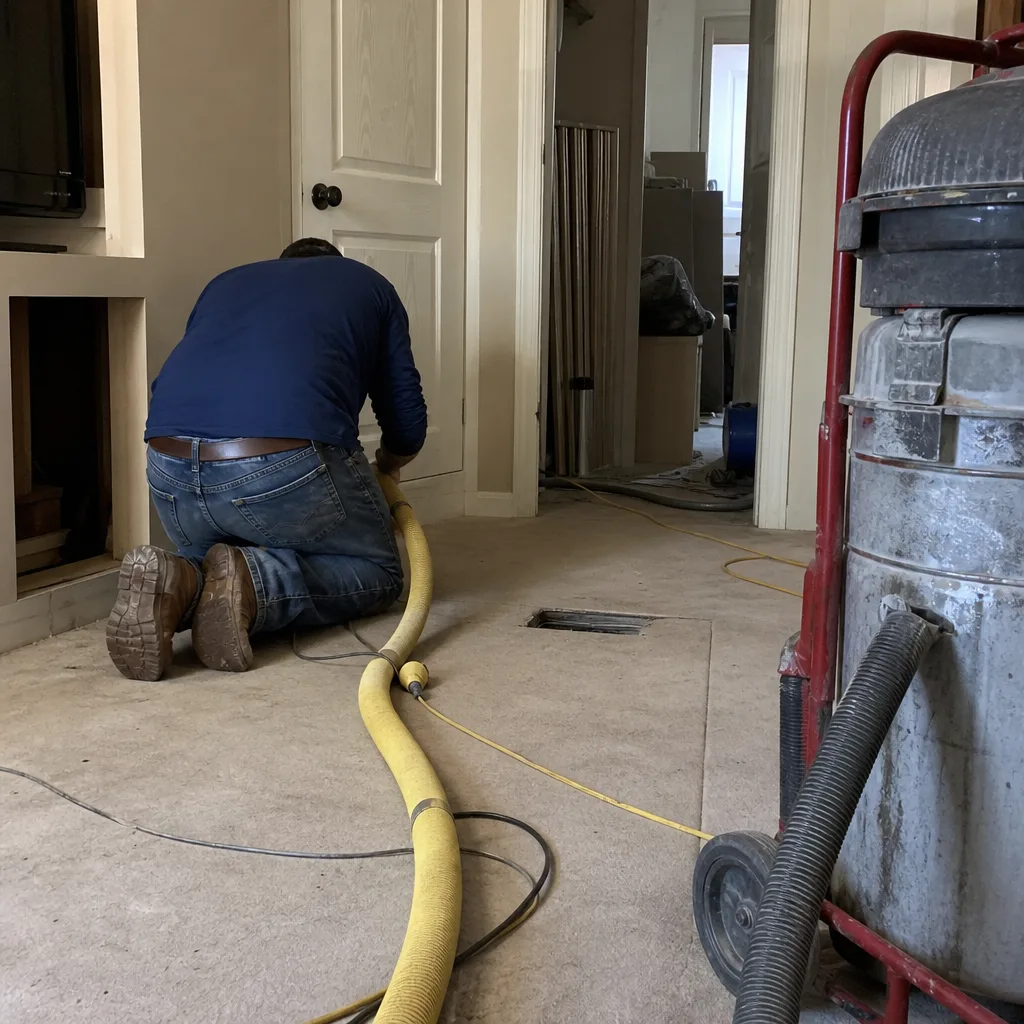 Before
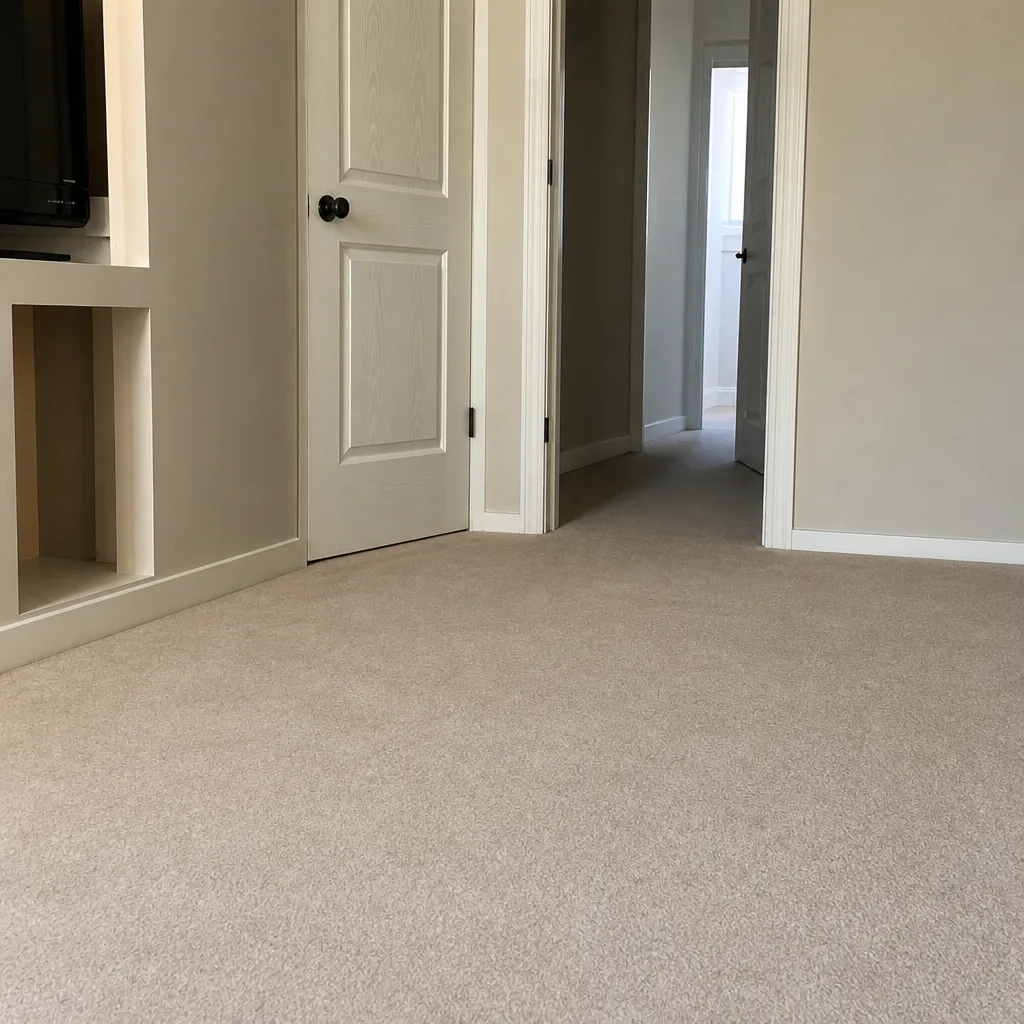 After
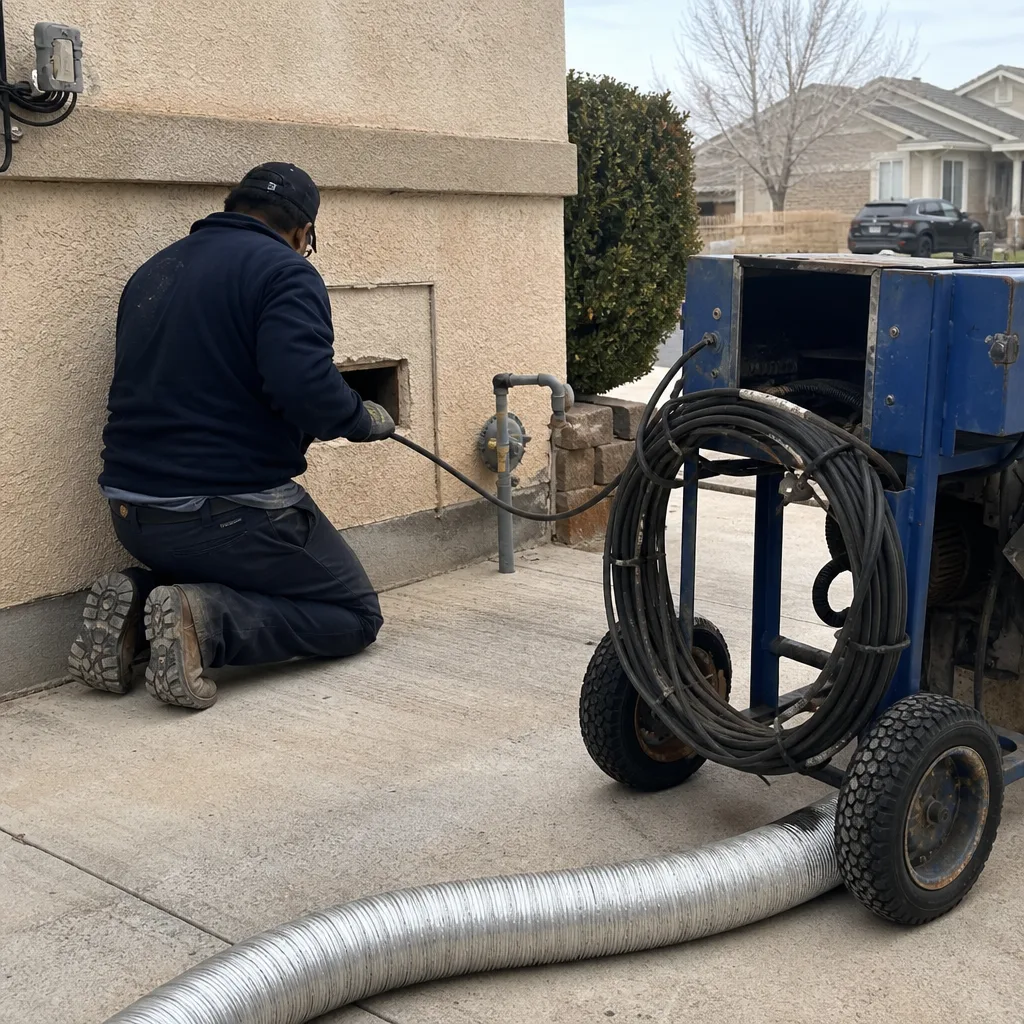 Before
 After
 Before
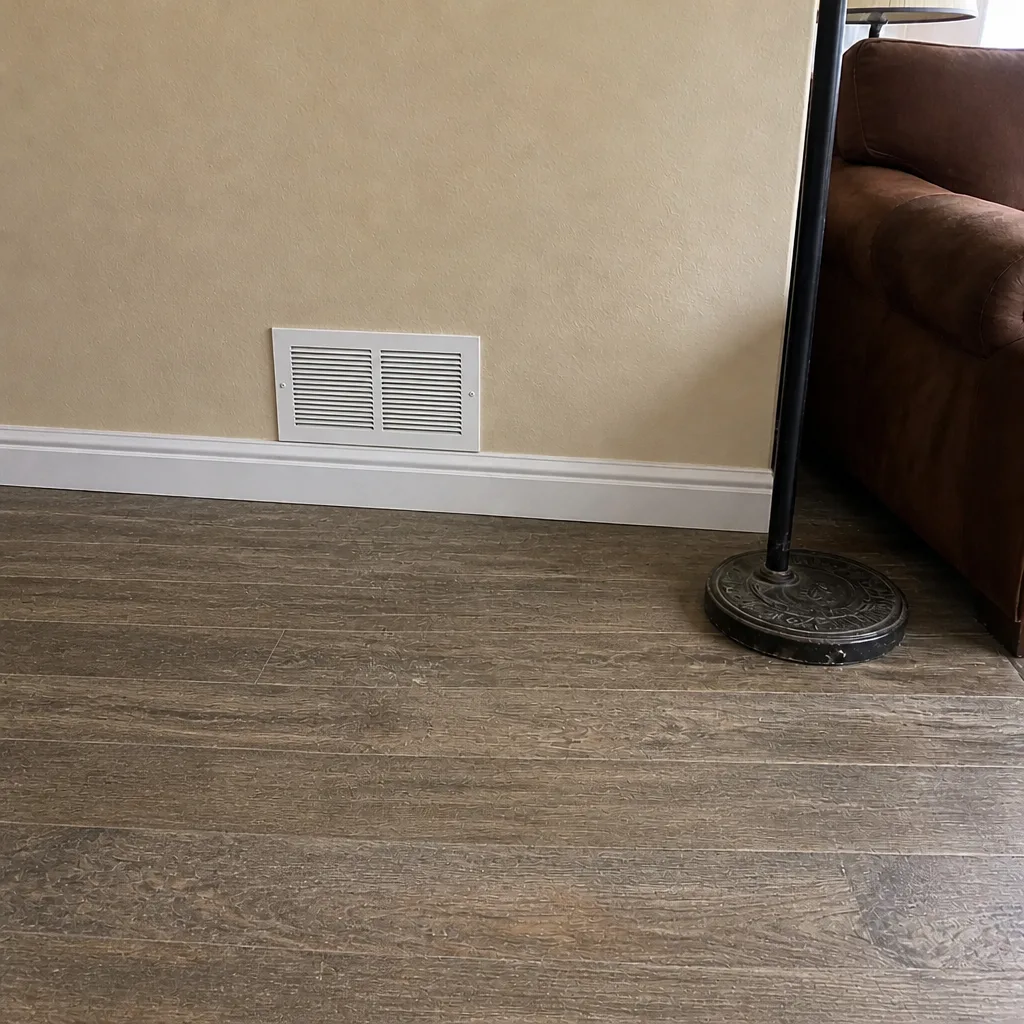 After
When to Call a Professional
Some duct conditions call for a professional assessment rather than a decision to wait. If you’ve recently finished a renovation, you have construction dust sitting in the system right now. If your home is older and the ductwork has never been inspected, there may be disconnected joints or crushed runs you don’t know about. If you’re noticing more visible dust than usual, or allergy-type irritation that worsens when the system runs, that’s a signal. And if your dryer is taking noticeably longer to dry a standard load, the vent needs attention for safety reasons, not just efficiency.
Duct Cleaning Odessa offers free estimates in Odessa. Call (833) 749-5958. We answer 24/7, with fast dispatch from 7am to 7pm, Sunday through Friday.
Frequently Asked Questions
Pricing in Odessa depends on the size of the system, the number of returns, accessibility of the air handler, and whether repair work is needed. That’s why a legitimate estimate comes from an on-site assessment, not a phone quote. We don’t publish a per-vent price because per-vent pricing is the structure that leads to incomplete work. Call (833) 749-5958 for a free estimate, and the written scope will set the final price.
Cheap quotes come from three places: undersized equipment, a narrower scope than advertised, or planned upselling once the technician is on-site. A contractor running a high-CFM HEPA extraction unit and a rotary brush system can’t deliver a whole-house job for the price of a coupon, because the equipment and labor are real costs. When a quote is dramatically lower, ask what specifically it covers. That answer usually explains the difference. Call (833) 749-5958 for an honest whole-system estimate.
Ask for before-and-after photos of your actual ducts, not stock images, and ask for a written scope you can compare against the finished job. A contractor who documents the work with photos and a written scope is accountable to it. One who doesn’t has nothing to point to when you ask. Call (833) 749-5958 to schedule an estimate, and we’ll walk through what the job will include before you commit.
There’s no universal interval. The honest answer depends on your home, your system, and your conditions. A recent renovation, an older home with original ductwork, a household with allergy concerns, or visible dust issues are all reasons to inspect sooner. If none of those apply, the frequency question is best answered by an inspection rather than a schedule. Call (833) 749-5958 and we’ll assess your system and give you a straight answer.
Yes. Return ducts carry the heaviest debris load in a residential system, and skipping them is one of the most common shortcuts in the trade. A complete scope names the returns explicitly and cleans them with the same mechanical agitation and extraction as the supply side. If a contractor’s scope doesn’t mention returns, ask why before you book. Call (833) 749-5958 to schedule an assessment.
Bundling makes practical sense because vent lint is a fire risk, and addressing it alongside the duct system means both are documented in one visit. It also functions as a vetting signal: a contractor equipped to clean a dryer vent properly is generally running a more complete operation. We handle both in a single visit. Call (833) 749-5958 for a free estimate on either service.
The Bottom Line
The contractor you hire for duct cleaning in Odessa should be able to answer four questions without hesitation: what’s your vacuum source and CFM rating, do you use a rotary brush, is your NADCA certification current, and what’s in the written scope. A contractor running professional-grade equipment and documenting the work before and after is showing you everything you need to know. One who can’t answer those questions is telling you something too. If you’d like to see what a proper assessment looks like, Odessa homeowners can reach us directly.
Duct Cleaning Odessa provides three services: air duct cleaning, air duct repair, and dryer vent cleaning. Our technicians have up to 10 years of experience and work with professional-grade equipment, including Rotobrush rotary brush systems and Nikro HEPA-rated extraction. Every job is one flat price per system, agreed before work starts, with before-and-after photos of your own ducts.
Call (833) 749-5958 for a free estimate. We answer 24/7, with fast dispatch from 7am to 7pm, Sunday through Friday.
Written by the team at Duct Cleaning Odessa.