
Last updated November 16, 2026
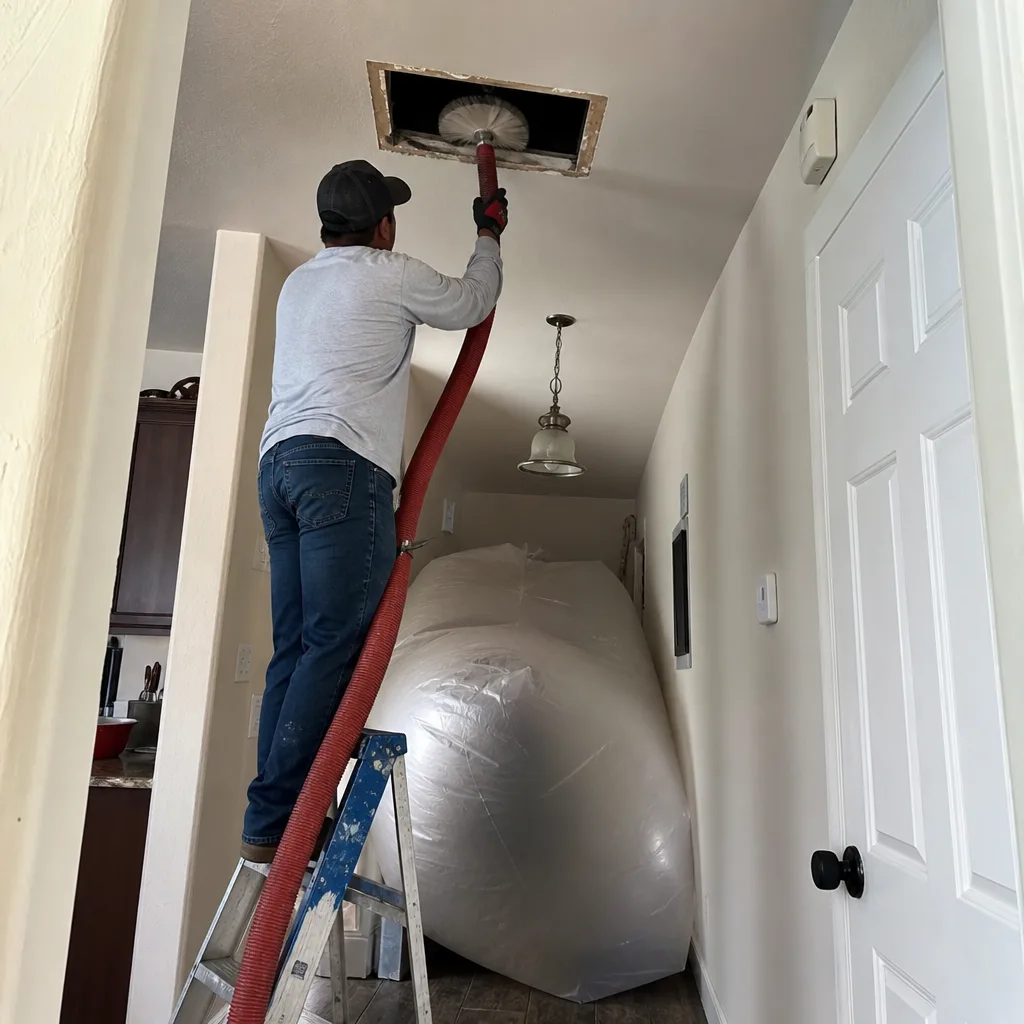
 Whole-home duct cleaning
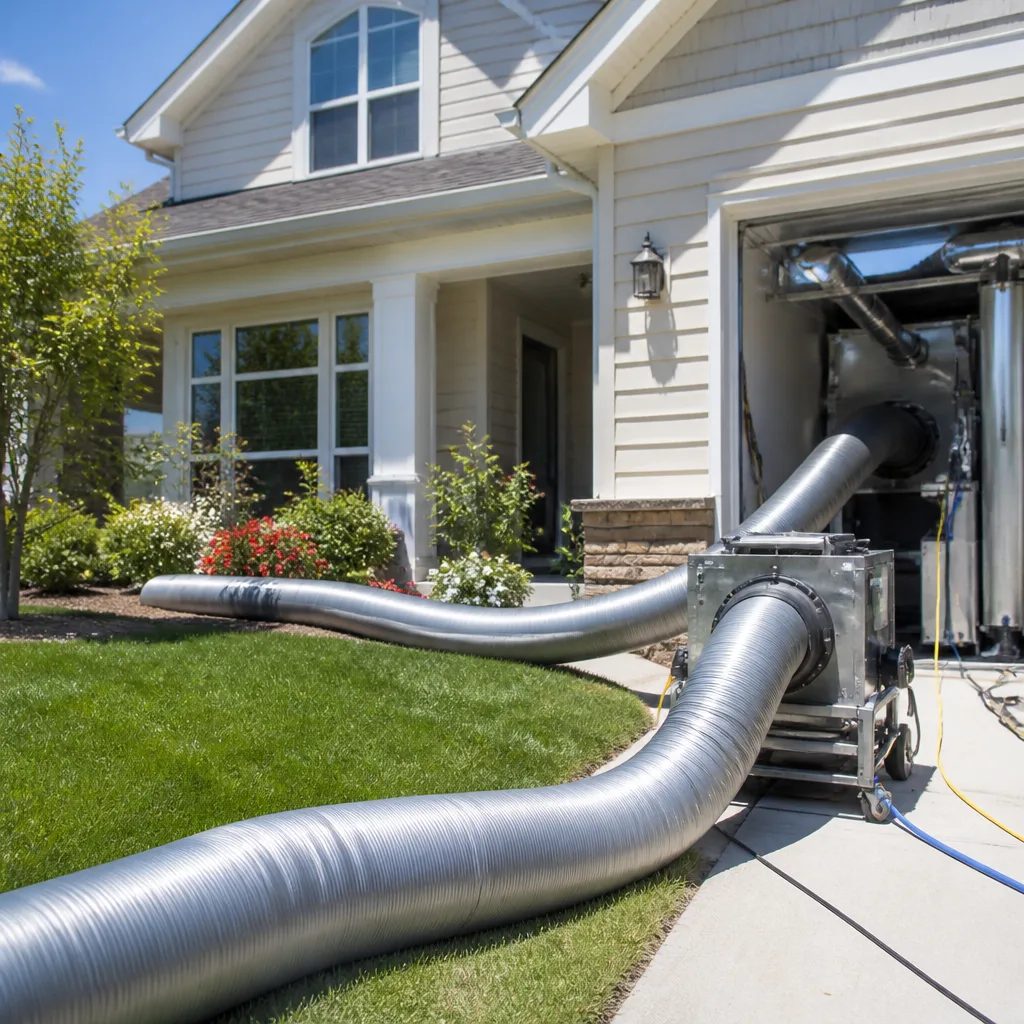
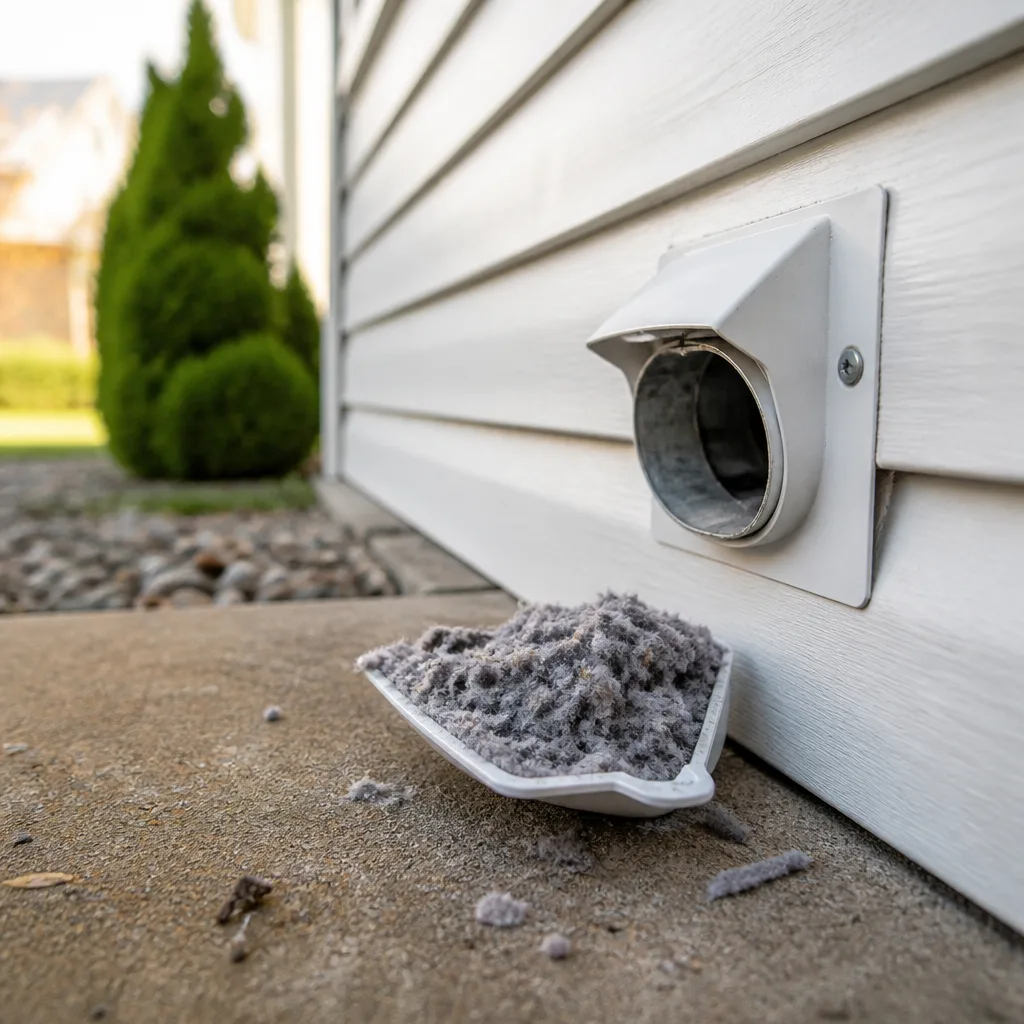 Dryer vent cleaning
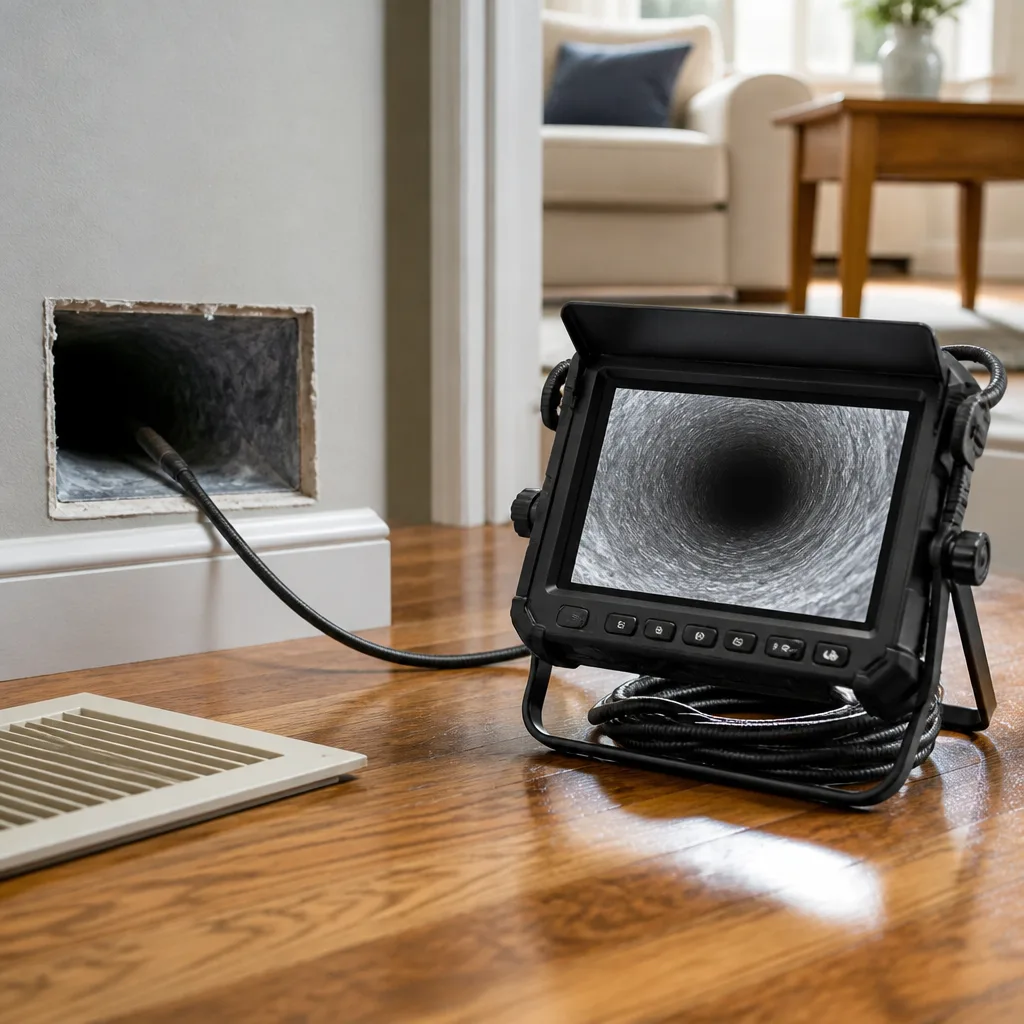 Camera inspection
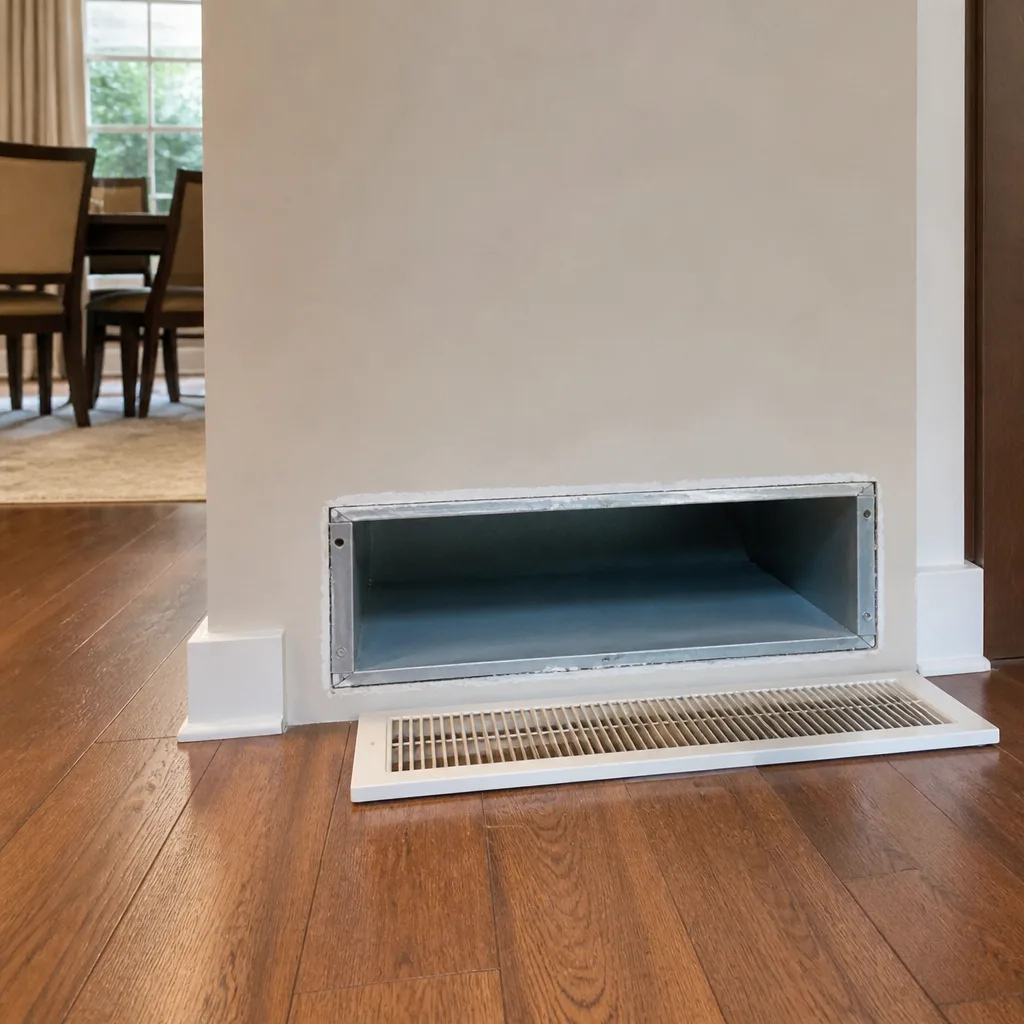 Sanitizing & deodorizing
Whole-system duct and dryer vent check with before-and-after photos - you see exactly what came out of your vents
That "$99 whole-house special" is a bait ad - the real number appears once they are in your hallway, or the "clean" is a shop-vac at the register. We photograph the inside of your ducts before and after instead.
DIY vs Professional Air Duct Cleaning: The Odessa Homeowner’s Decision Guide
Running a shop vac hose into your supply registers doesn’t clean your ducts. It stirs up settled debris and pushes it into the room you’re standing in. That’s not a scare tactic, it’s the predictable result of creating turbulence without negative pressure to contain what you loosen. The distinction matters here because homeowners in Odessa deal with a heavier dust load than most of the country, and more loose debris in the system means more of it ends up in your air when the wrong tool gets involved. This guide maps where DIY maintenance genuinely works, where physics takes over, and how to tell the difference before you spend a weekend on a job that can’t be finished with homeowner tools.
Quick Answer
DIY air duct cleaning works for surface-level maintenance on registers, return grilles, filter housings, and dryer vent lint traps. It does not work for source removal inside the duct system, because pulling debris out of a main trunk requires negative pressure equipment rated to hold containment, not a shop vac. In Odessa’s dust environment, professional air duct cleaning is the practical choice roughly every three to five years, or sooner after a renovation, a move-in, or a filter failure. Everything between those cleanings is legitimate DIY territory.
Styles & brands we work with
- Whole-home duct cleaning
- Dryer vent cleaning
- Camera inspection
- Sanitizing & deodorizing
Table of Contents
- What Homeowners Can Legitimately Do Themselves
- The Physics of Source Removal: Why Negative Pressure Is Non-Negotiable
- Why Odessa’s Dust Environment Raises the Stakes
- When DIY Attempts Make Professional Cleaning Harder and Costlier
- The Honest Cost-Benefit Math
- A Realistic Step-by-Step: What Professional Cleaning Actually Involves
- The Dryer Vent: A Separate DIY Question
- Common Mistakes to Avoid
- When to Call a Professional
What Homeowners Can Legitimately Do Themselves
There’s real work you can do without professional equipment, and it’s worth doing. The line isn’t about skill, it’s about access and containment. Anything you can reach with a vacuum brush, a microfiber cloth, or your own two hands on a filter is yours to handle. Anything requiring you to break into the duct system or generate airflow inside a trunk line is not.
Here’s what falls clearly on the DIY side of the line:
- Supply and return register cleaning. Pop the grille, wipe both faces, vacuum the visible throat behind it, and reinstall. This alone removes a surprising amount of surface debris and costs nothing.
- Filter housing wiping. When you change the filter, vacuum the housing walls and the edges where the filter seats. Dust that collects there gets pulled straight back into the airstream if you leave it.
- Accessible flex duct visual inspection. Where flex duct is exposed in an attic, garage, or crawl space, you can look for crushed sections, disconnected collars, or torn outer jackets. You’re only observing, not repairing.
- Dryer vent lint trap and exterior cap clearing. Pull the lint screen after every load, and clear the exterior flapper of lint buildup. This is basic safety maintenance and doesn’t touch the duct interior.
- Keeping the system running with a clean filter. A clogged filter forces the blower to work harder and pushes more dust past the filter into the ducts. Simple, cheap, and it delays the day you need a cleaning.
What ties all of this together is that it’s surface work. You’re managing what’s easily reachable, and that keeps the system cleaner between deeper cleanings. What none of it does is dislodge compacted debris from a main trunk line running through walls and ceilings. That’s a different job with different equipment.
The Physics of Source Removal: Why Negative Pressure Is Non-Negotiable
Air duct cleaning is a source removal process, not a scrubbing process. The goal is to dislodge debris from duct surfaces and pull it into a contained vacuum before it ever has a chance to enter your living space. To do that, you need negative pressure inside the system, which means creating a pressure differential that actively pulls air toward the collection point rather than letting it move freely through the home.
A shop vac running through a register creates the opposite condition. It’s a positive pressure event. The vacuum pulls what it can from directly in front of the nozzle, but the surrounding air gets agitated by the airflow, and the fine dust that makes up most of the contamination load lifts and redistributes. In a home with moderate debris this might be a minor annoyance. In a home with heavy accumulation, it can coat the room. That’s what we mean when we say the wrong tool makes things worse.
Professional equipment addresses this in two ways. First, a HEPA-rated vacuum system pulls with enough suction and enough filtration that what it captures stays captured. Rotobrush systems use rotary brush heads that agitate the duct walls while HEPA extraction pulls loosened debris toward the collection point simultaneously. Second, containment matters. Abatement Technologies equipment is built for jobs where airborne contamination has to be kept out of the living space entirely, not just reduced. On heavy-contamination jobs, that difference is the job.
Here’s the honest caveat: we don’t publish CFM ratings, because the right number depends on duct size, run length, and blower configuration. What we can tell you is that no consumer vacuum holds negative pressure across a whole duct system. A shop vac pulls a few hundred CFM at the nozzle under ideal conditions and drops off as it loads. The professional systems we run are sized to the trunk, not to a hose.
Why Odessa’s Dust Environment Raises the Stakes
Dust load in West Texas isn’t the same as dust load in a humid climate. Between dry wind, caliche dust, and the fine particulate that hangs in the air after a wind event, the contamination that builds up in an Odessa duct system is heavier and more abrasive than what you’d see in a place with more moisture to weigh particles down. That changes the math on both DIY risk and cleaning frequency.
A few practical implications for homeowners here:
- Faster accumulation. If you’re near an active development, ranch land, or a busy corridor where dust gets kicked up regularly, expect buildup to go faster than the typical three-to-five-year cycle. Filter changes matter more here, not less.
- Abrasive contamination. Fine grit and caliche dust wear on blower components and motor bearings over time. The earlier that material is removed, the longer those parts last.
- Bigger redistribution risk. When you’ve got more debris sitting in the ducts, agitating it with a shop vac moves more of it into the air. The same mistake in a cleaner system is a smaller mistake. Here it’s a bigger one.
- Renovation aftermath. Drywall dust from a remodel is heavier and more concentrated than ambient dust. Odessa homes that have had significant work done often need cleaning sooner than the general schedule suggests.
None of this is meant to scare anyone into a faster schedule than they need. It’s a plain point about equipment. When contamination load is high, containment matters more, and containment is exactly what homeowner tools can’t provide.
When DIY Attempts Make Professional Cleaning Harder and Costlier
The worst outcome of a DIY attempt isn’t usually injury. It’s that the system comes out in worse shape than it went in, and the follow-up job costs more because of it. We see three failure modes with regular frequency, and they’re worth knowing before you start.
Disrupted debris fields. When debris is settled in a duct run and gets agitated without extraction, it doesn’t disappear. It migrates. Some of it coats the duct walls in a thinner, harder-to-remove layer. Some of it redistributes into home furnishings and HVAC components. When a professional arrives at a system that’s been DIY-agitated, the source removal takes longer because the debris is now spread across a wider area of the system.
Damaged flex duct from improper brush use. Consumer brush attachments aren’t sized for flex duct interiors. The plastic spirals can catch on the wire helix inside flex, tear the inner liner, or pull the liner loose from the collar. A torn flex duct is a leak, and a leak pulls dust from the attic or crawl space straight into the air you breathe. This is one of the cases where the cheap route costs more than doing nothing.
Inaccessible access points. Some homeowners cut into duct work trying to reach further in. A poorly placed access cut is a future leak point unless it’s sealed properly, and it can complicate a professional cleaning rather than help it. Access holes belong where the technician puts them, sealed with mastic or foil tape, and placed to reach the trunk runs that need cleaning.
In our experience, the systems that come in worst shape aren’t the ones that were neglected. They’re the ones where someone tried, got halfway, and stopped. Half-cleaned ducts are harder to work with than clearly contaminated ones, because the disrupted debris has to be recovered before source removal can begin.
The Honest Cost-Benefit Math
The honest version of this comparison looks at two things: what the homeowner actually saves on the DIY side, and what delaying the professional job costs.
What you save with regular DIY maintenance:
- Register and grille cleaning costs nothing but time.
- Filter changes cost the price of the filter, maybe ten times a year in a dusty Odessa season.
- Lint trap and exterior cap cleaning is free.
- Filter housing wiping is free.
- Visual inspection of accessible flex duct is free.
A homeowner who does all of this consistently is buying themselves cleaner air between cleanings and probably extending the interval before the next professional job by months, sometimes more. That’s a real, honest return.
What delaying the professional job costs is harder to see because it’s spread out. Debris that sits in the ducts loads the filter faster, which means more filter changes and higher static pressure on the blower, which wears the motor. Baseboard and furniture dusting gets done more often because the system is recirculating more particulate. Allergy symptoms that could be managed by cleaner air get managed with medication instead. None of these costs show up on a single invoice, but they accumulate.
For clarity on what the professional job actually costs in this market, we don’t publish per-vent prices because they invite the bait-and-switch pattern that’s made this industry hard to trust. We price one flat rate per system, agreed before work starts, with a written estimate. If you want a number, we’ll look at your system and give you one. That’s the only honest way to price this work.
A Realistic Step-by-Step: What Professional Cleaning Actually Involves
Understanding the process helps you evaluate whether a quote is realistic. Here’s what a proper professional duct cleaning in Odessa looks like, in order:
- System inspection and access planning. The technician walks the system, locates the main trunk, identifies where access cuts are needed, and checks for existing damage. Access points go where the runs need them, not where it’s convenient.
- Containment setup. The main negative pressure machine gets connected to the trunk, and registers get sealed off except the one being worked. The house goes under negative pressure relative to the outside, so loosened debris moves toward the collection point, not out into rooms.
- Agitation with rotary brush or air whips. Rotobrush rotary tools or compressed-air whips travel each run, agitating the duct walls so compacted debris releases while the collection system pulls it away.
- Component cleaning. The blower wheel, evaporator coil exterior, and drain pan get cleaned while the system is under pressure. These components hold dust too, and leaving them dirty recontaminates the ducts quickly.
- HEPA extraction on the trunk. Nikro HEPA equipment pulls the final pass at the main collection point, capturing fine particulate down to the smallest size range.
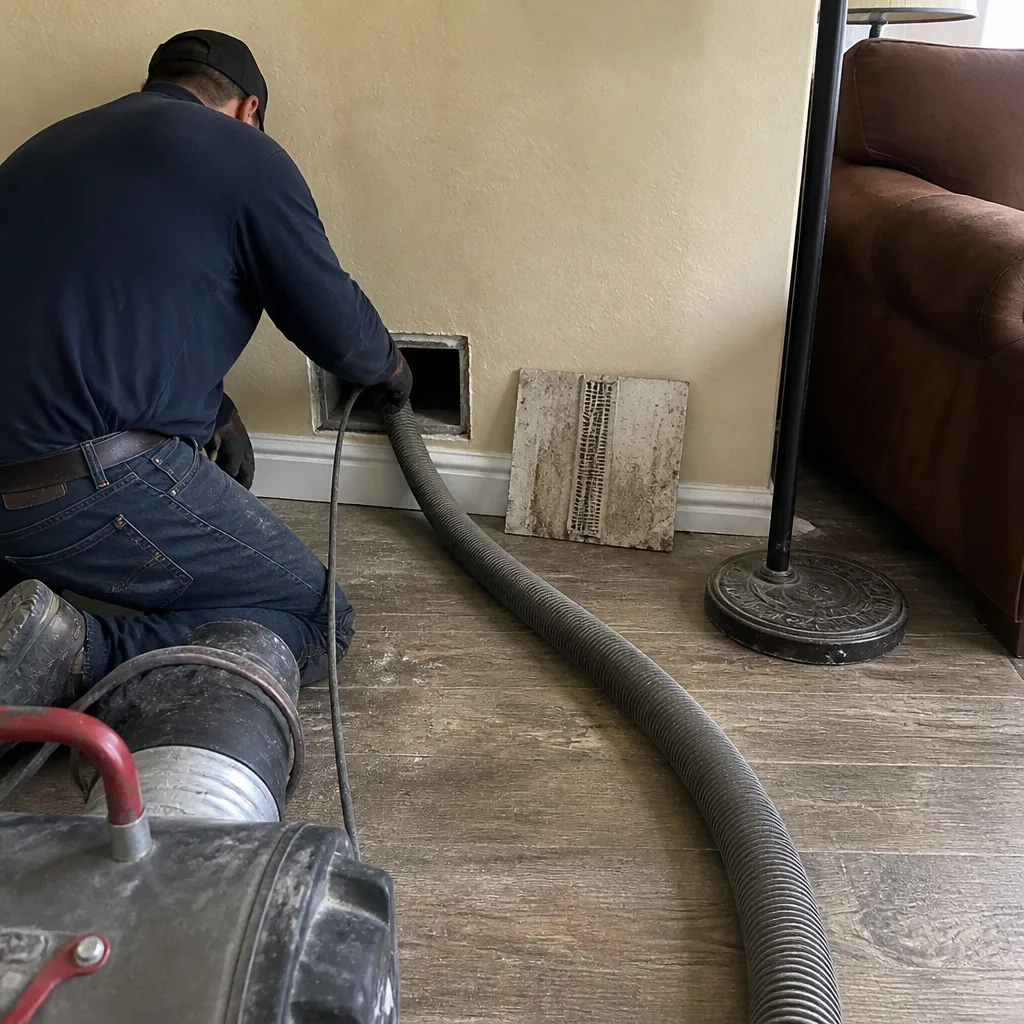
- Before-and-after photos. Ask for them. A legitimate job produces visual proof of what came out, taken inside the ducts. Any company unwilling to provide this should be a short conversation.
- System reassembly and verification. Access points get sealed, registers get reinstalled, and the system gets a run to verify airflow is restored and no leaks were introduced.
Steps 1 through 5 are the ones no homeowner can approximate with consumer equipment. That’s where the line sits.
The Dryer Vent: A Separate DIY Question
Dryer vents get lumped into duct cleaning conversations because they’re ducts, but they’re a different job with different risk. The lint trap does catch some lint, but the vent run between the trap and the exterior does not. Lint accumulates there with every load, and because lint is highly combustible, that buildup is a fire risk, not just a laundry-efficiency problem.
What homeowners can do on the dryer vent side without professional help:
- Clean the lint trap after every load (not every other load, every load).
- Check the exterior flapper for lint or debris blocking the opening.
- Confirm the flexible run behind the dryer isn’t crushed or kinked.
What requires professional dryer vent cleaning is the run itself between the trap and the exterior. That’s where the real accumulation lives, and consumer brushes can dislodge lint without fully removing it, which can leave the vent in a worse condition than it started. If your dryer is taking longer than it used to, or the exterior flapper is barely opening while the machine runs, have the vent cleaned professionally. Dryer vent work is one of the three services our technicians handle, alongside air duct repair, and we treat it as a safety service for that reason.
Common Mistakes to Avoid
- Running a shop vac into a supply register and expecting cleaning. This agitates debris without containment and pushes fine dust into the room. In a high-dust Odessa home, the visible result can be worse than leaving the register alone.
- Using consumer brush attachments on flex duct. The brushes catch on the wire helix inside flex and tear the inner liner, which creates a leak the size of the tear. Flex duct brushing is professional-tool territory for a reason.
- Cutting access holes without a plan. Improvised access cuts that aren’t sealed with mastic or foil tape become leak points that pull attic or crawl space dust into the air stream. Access work belongs with the technician.
- Ignoring the dryer vent for years. The lint trap doesn’t protect the vent run, and homeowners routinely go a decade or more without cleaning the run itself. That’s a fire risk, and it’s fixable in one visit.
- Cleaning the ducts but skipping the blower and coil. If a company quotes cleaning without touching the blower wheel or the evaporator coil exterior, the ducts get recontaminated within months. The work is a system job, not a duct job.
- Assuming a cheap coupon price is the job price. If you get a quote that seems unusually low, ask what it covers and whether the price is locked in writing. If neither answer is clear, expect the invoice to grow once the technician is on site.
- Skipping before-and-after photos. Photos are the only way you can verify what actually came out of your ducts. Any professional who can’t show them hasn’t documented the job.
When to Call a Professional
You should call a professional whenever the job requires reaching into the duct interior or containing airborne contamination during the work. That includes the obvious cases like visible debris blowing out of a register or a system that hasn’t been cleaned in years, and the less obvious ones: a recent renovation with drywall dust still distributed through the system, a move-in to a home of unknown maintenance history, allergies or asthma symptoms that get worse when the HVAC runs, a dryer that’s taking longer than it should, or crushes or disconnects in exposed flex duct that need repair rather than just cleaning.
If you’re not sure which side of the line your situation falls on, the honest answer is to ask. Duct Cleaning Odessa offers free estimates in Odessa. Call (833) 749-5958. We’ll tell you what the system actually needs, not what fits a price sheet. And if the honest answer is that your system only needs the maintenance you can do yourself, we’ll tell you that too.
See the difference
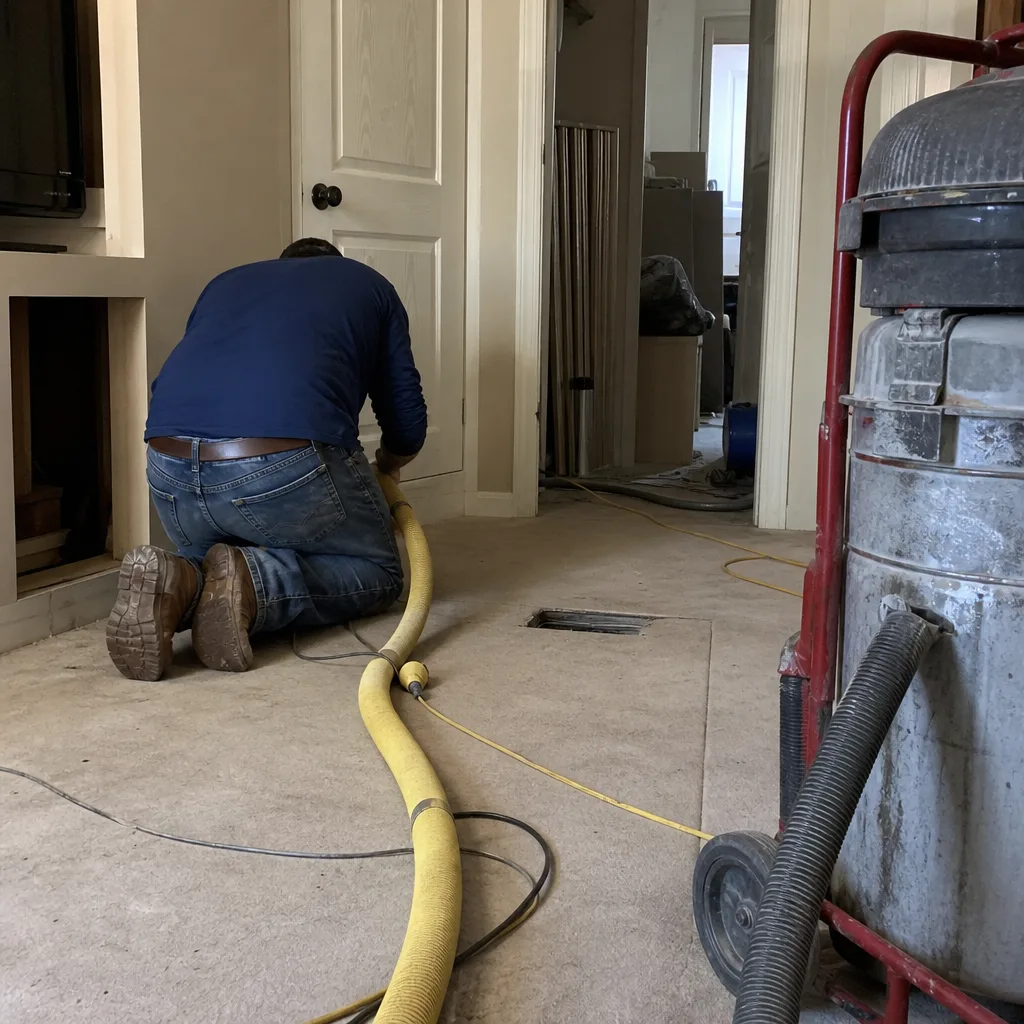 Before
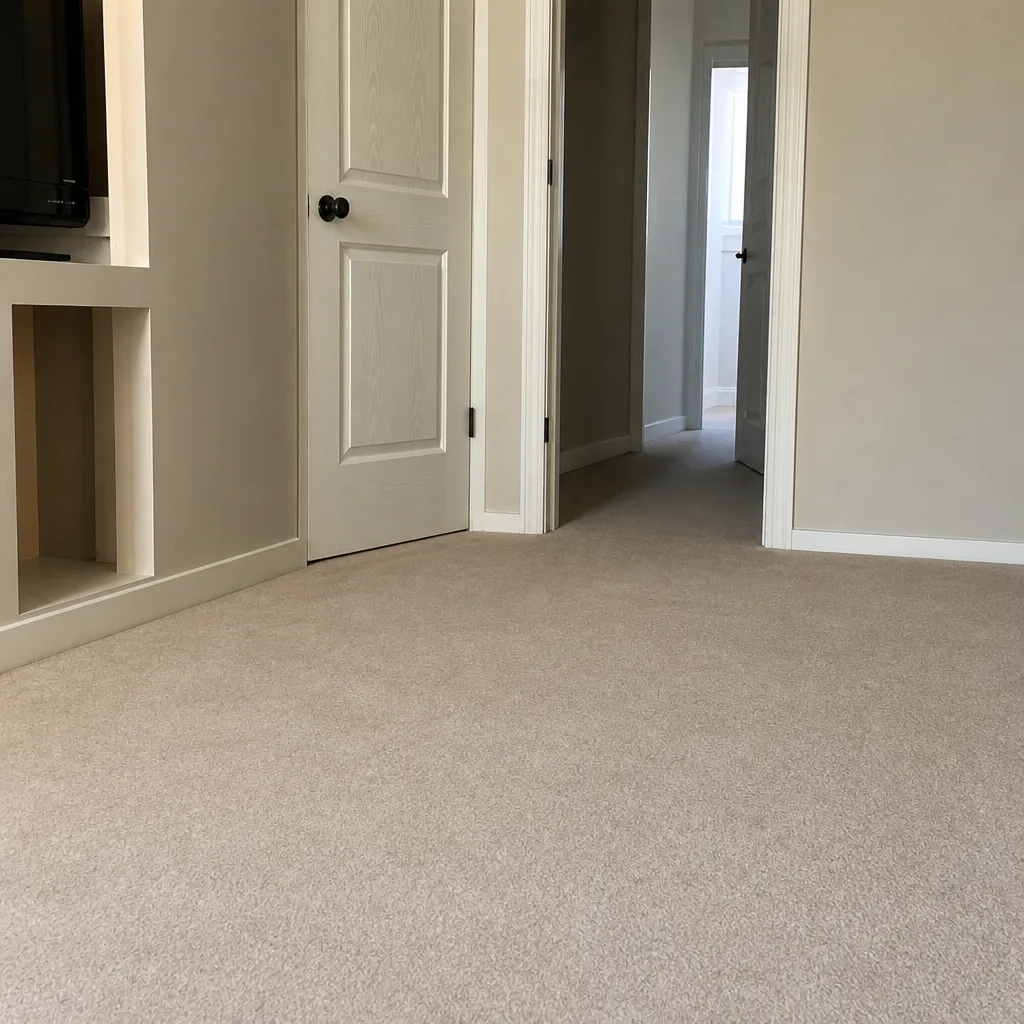 After
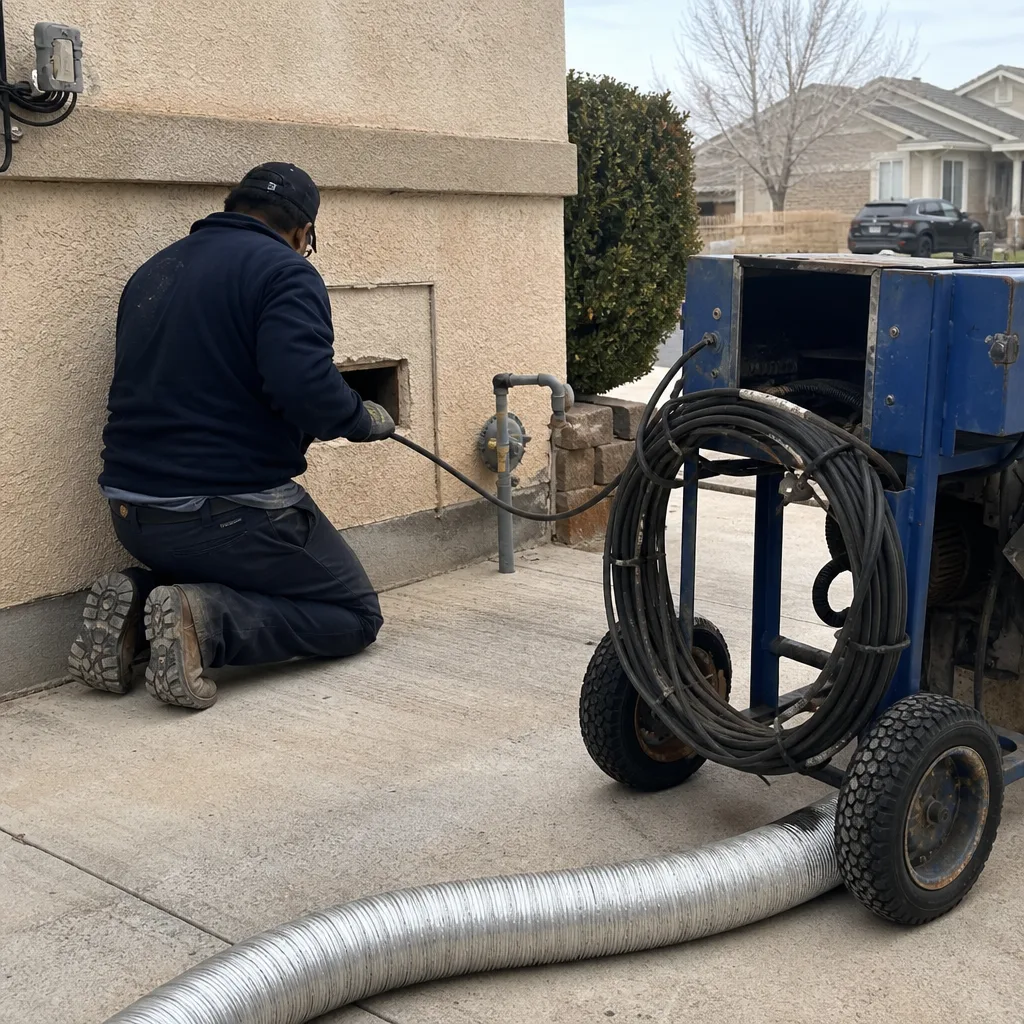 Before
 After
 Before
 After
Frequently Asked Questions
No, a shop vac cannot clean air ducts in any meaningful sense. It doesn’t hold negative pressure across the system, so it agitates debris without containing it and pushes fine dust into your living space. Use a shop vac to clean register grilles and filter housings, not to reach into duct interiors.
Every three to five years is a reasonable baseline for most Odessa homes, but a heavier dust load near active development, ranch land, or busy corridors can shorten that interval. After a renovation or a move-in, clean sooner. The honest signal is what your filter and registers are telling you, not the calendar.
We price one flat rate per system based on a written estimate, not a per-vent figure. That’s deliberate. Per-vent pricing is the model behind a lot of the bait-and-switch complaints in this trade, and we don’t work that way. Call (833) 749-5958 for a free estimate and a locked-in written price before work starts.
Cheap quotes usually leave out the parts of the job that cost real money: containment setup, HEPA extraction, blower and coil cleaning, and the time to actually clear each run. That’s the difference between cleaning register throats and doing source removal. Ask what equipment they run and whether the work includes the blower and coil before you compare prices.
Before-and-after photos taken inside your ducts are the only real proof. Ask for them up front, before any work begins. Any professional who can’t commit to documenting the job with photos is asking you to take the work on faith, and that’s not good enough on a job this size.
Yes, they’re separate services and should be scheduled separately. Dryer vents carry lint the way HVAC ducts carry dust, and lint is a combustible fire risk. If your dryer is taking longer to dry clothes than it used to, or the exterior flapper barely opens while the machine runs, get the vent cleaned. Call (833) 749-5958 to book it alongside a duct cleaning if you want both handled together.
It can, in the specific case where a shop vac or consumer brush agitates debris without containment. That’s why the line between DIY and professional work matters. Hands-on maintenance like register wiping, filter changes, and lint trap clearing can’t make things worse. Interior duct work can.
The Bottom Line
Homeowners in Odessa have real, valuable work they can do to keep their ducts clean between professional cleanings. Register wiping, filter changes, dryer lint trap care, and visual inspection of accessible duct runs are all legitimate DIY maintenance, and doing them consistently buys cleaner air and a longer interval between service calls. What no homeowner can do is source removal inside the duct system. That requires negative pressure, HEPA containment, and agitation tools sized for the job, and reaching for consumer gear to approximate professional work usually moves debris into your living space and can damage flex duct beyond what cleaning alone can fix. The Odessa dust load makes that risk larger than it would be in a milder climate. If your system is due for source removal, or you’re not sure, call Duct Cleaning Odessa at (833) 749-5958 for a free estimate. We answer 24/7. Fast dispatch from 7am to 7pm, Sunday through Friday. One flat price per system, agreed in writing before work starts, with before-and-after photos of your own ducts. Our technicians have up to 10 years of experience with professional-grade equipment, and we clean it and repair it in the same visit if the job calls for both. For a broader look at the Odessa side of this work, we’ve got room to cover it well. Indoor air quality starts inside your ducts.
Written by the team at Duct Cleaning Odessa.