
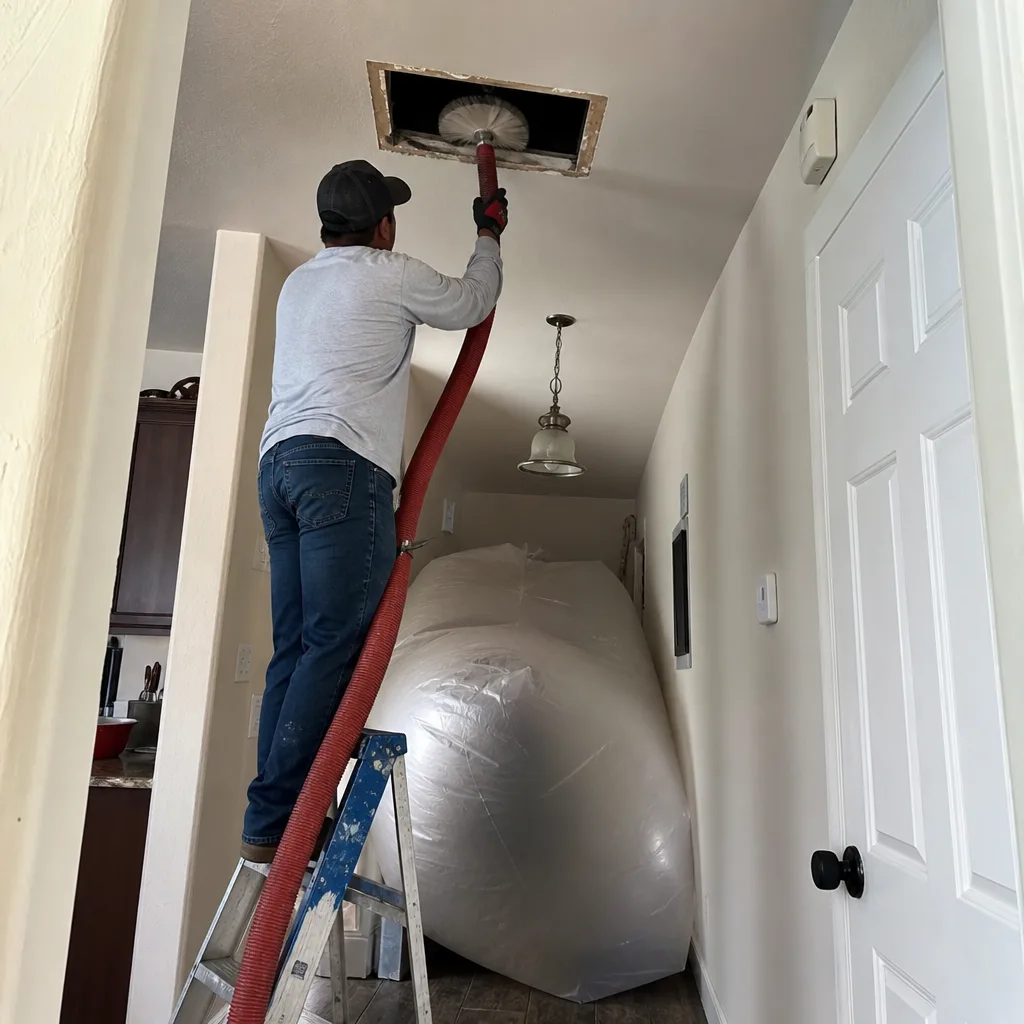
Last updated November 16, 2026
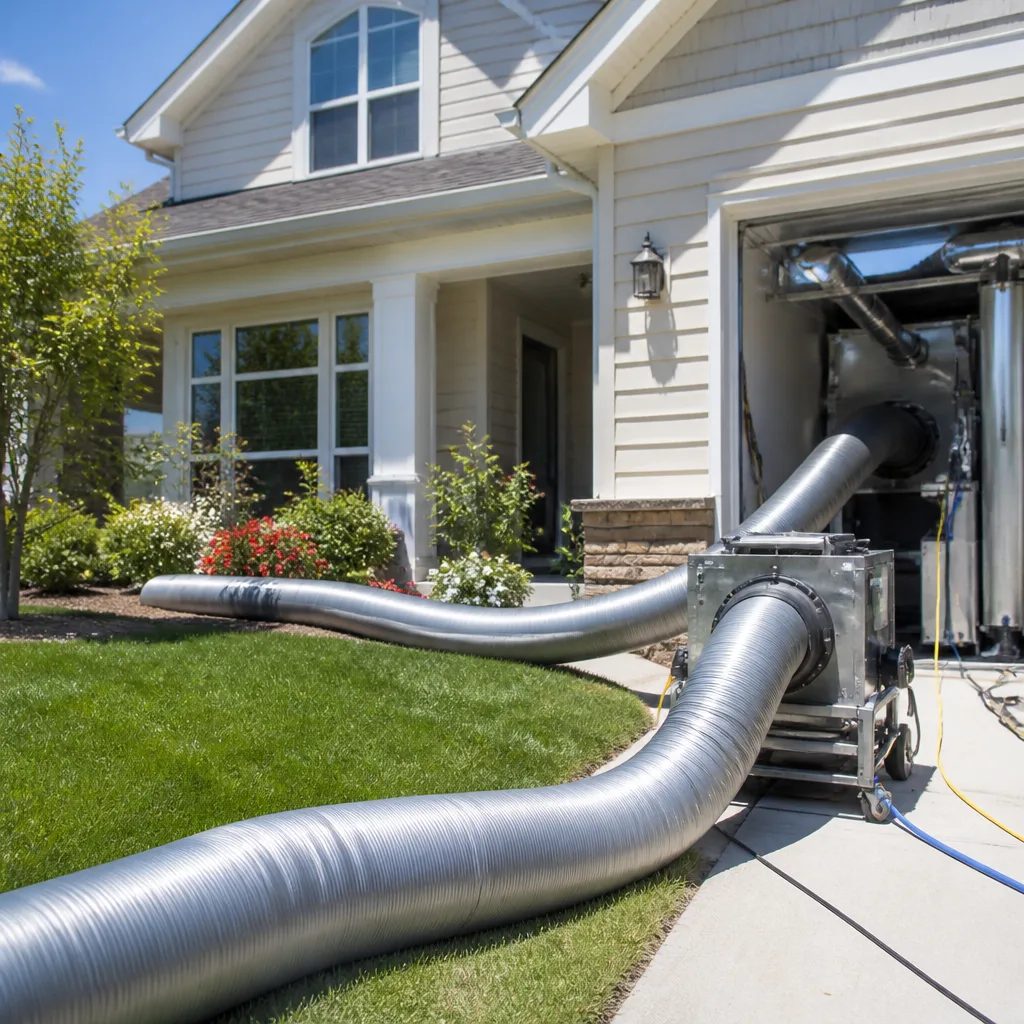 Whole-home duct cleaning
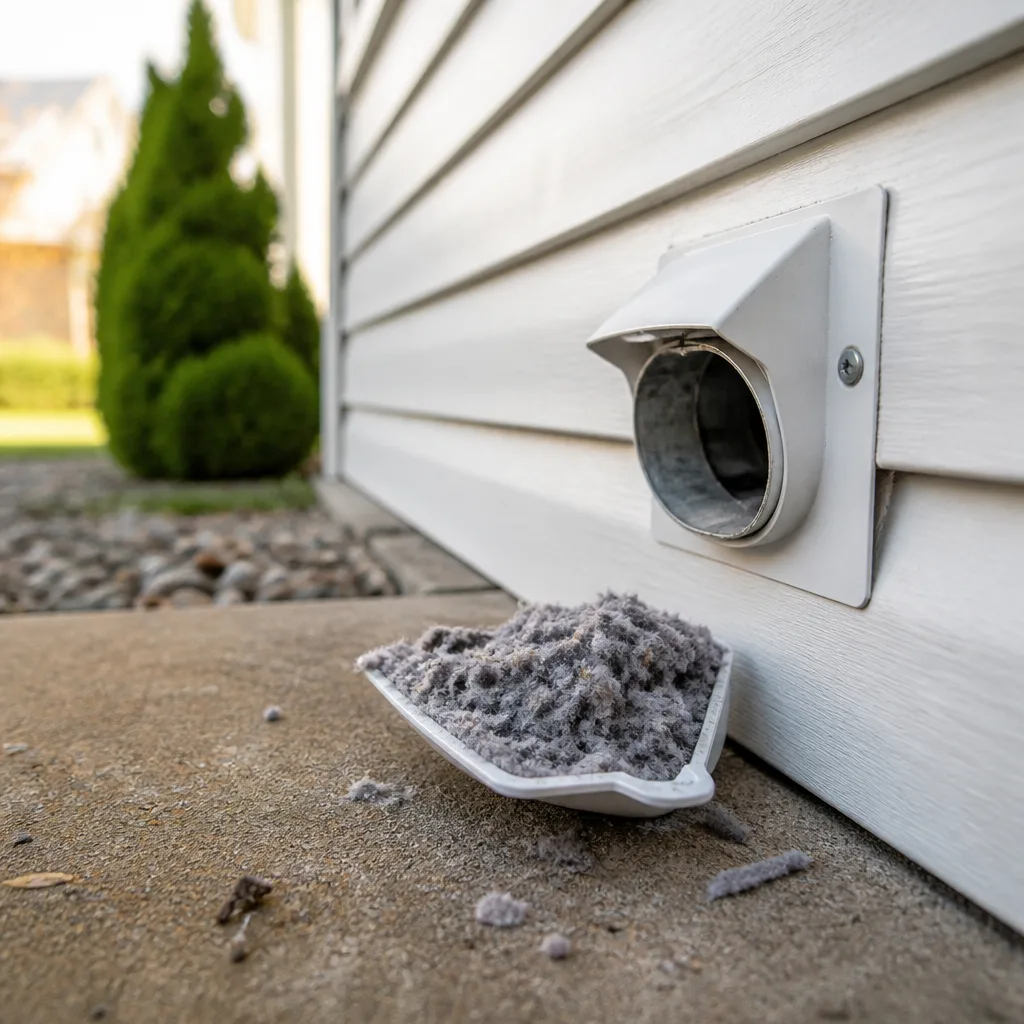 Dryer vent cleaning
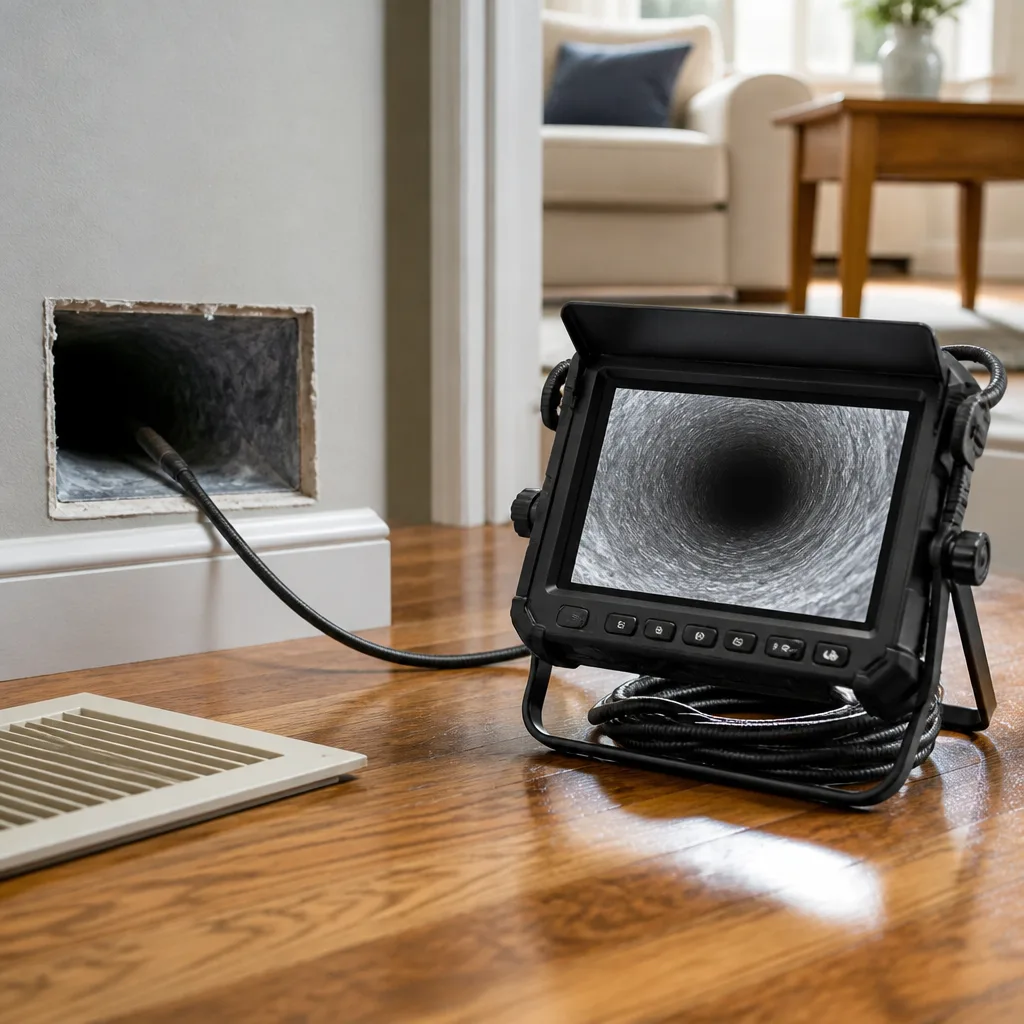 Camera inspection
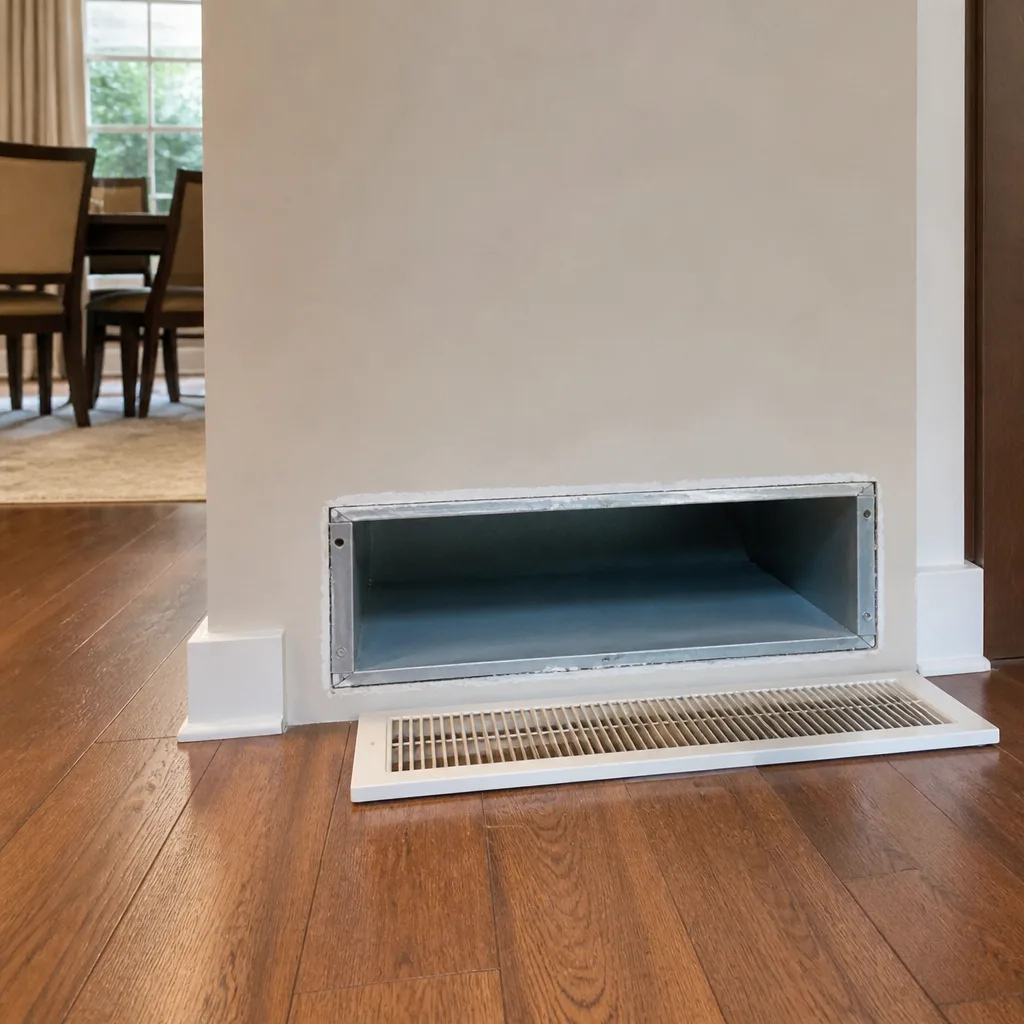 Sanitizing & deodorizing
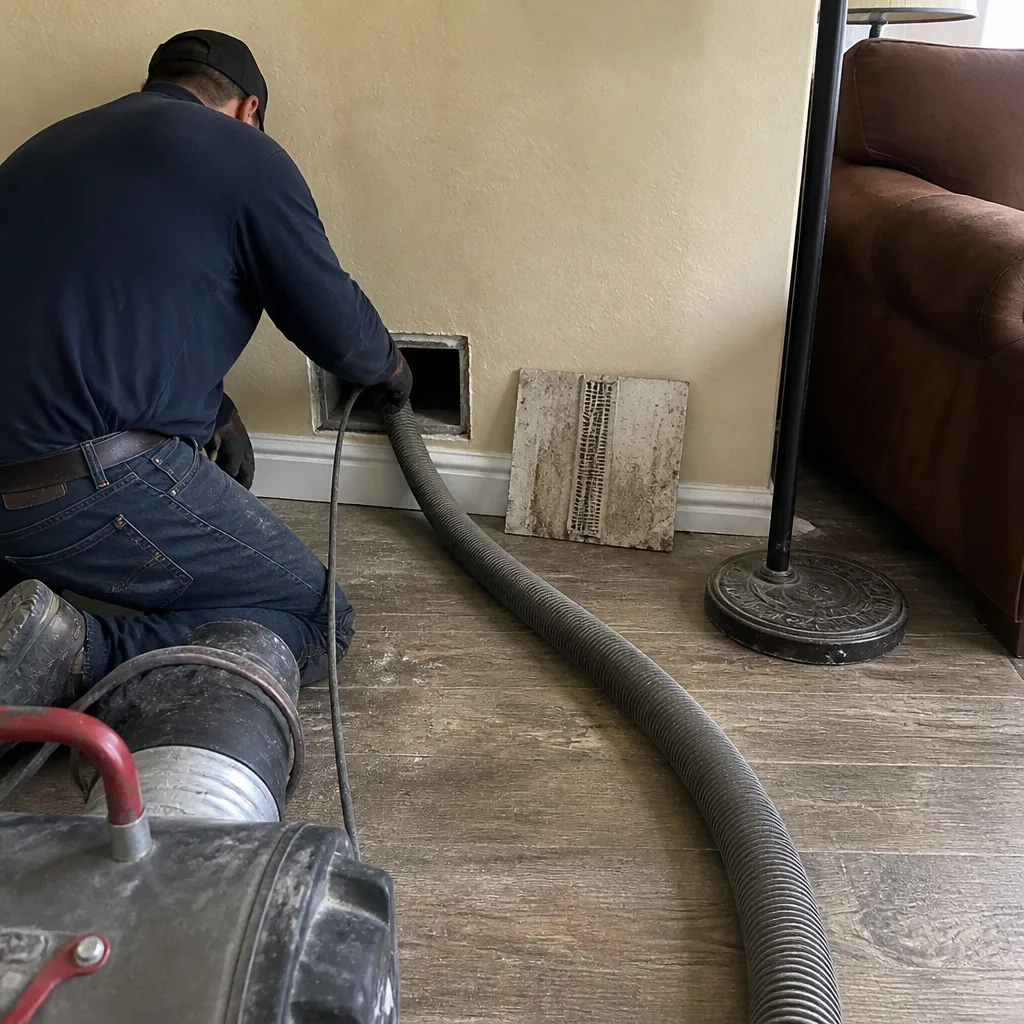
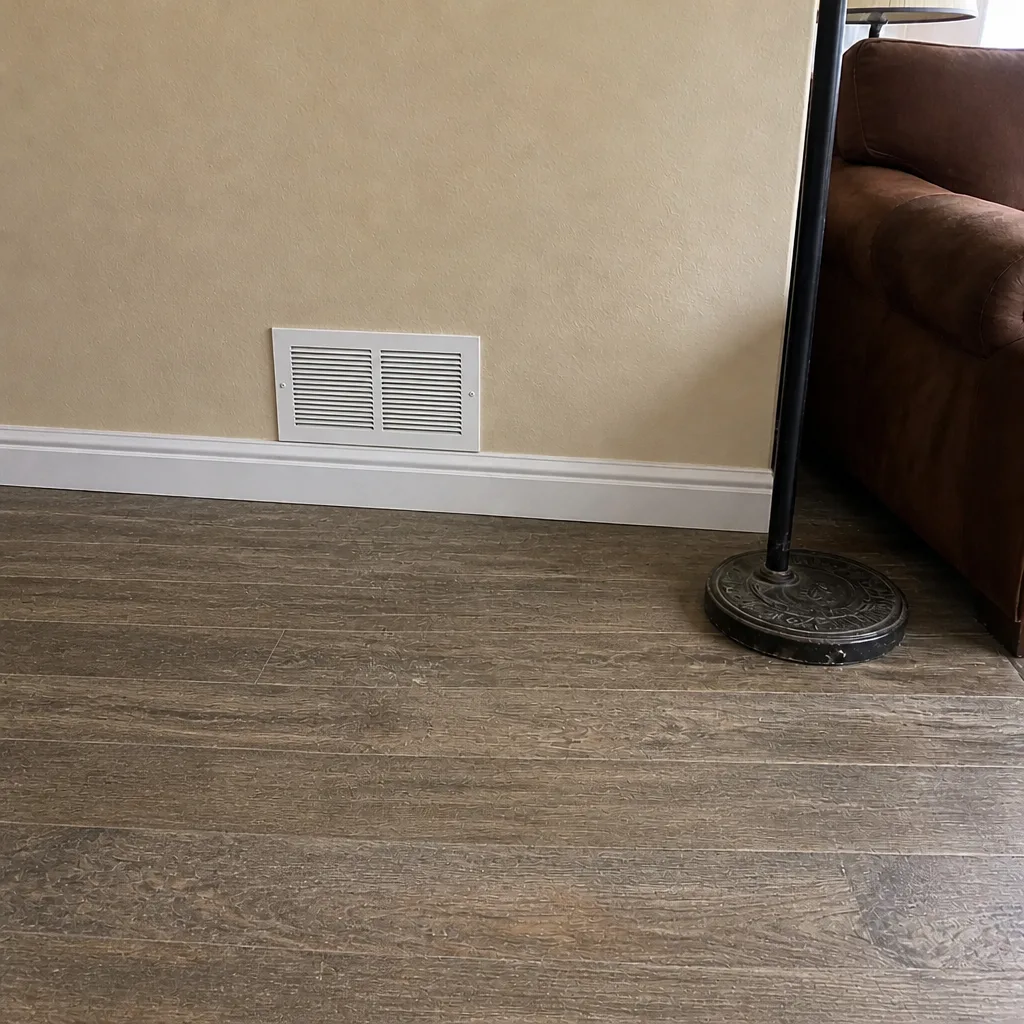
Whole-system duct and dryer vent check with before-and-after photos - you see exactly what came out of your vents
That "$99 whole-house special" is a bait ad - the real number appears once they are in your hallway, or the "clean" is a shop-vac at the register. We photograph the inside of your ducts before and after instead.
Air Duct Cleaning Permits, Codes & Inspections in Odessa, TX: What You Need to Know
Here’s the part most homeowners miss: cleaning your ducts requires no permit, but repairing them often does. The line between a cleaning job and an alteration to your HVAC system is blurrier than it sounds, and it matters more than most people realize. If a contractor replaces a section of ductwork or reworks your air handler connections without pulling paperwork, you may end up owning an unpermitted HVAC system. That problem surfaces the moment you try to sell your house. This guide breaks down what actually triggers a permit in Odessa, what falls under routine maintenance, how to verify your contractor, and what to get in writing before anyone touches your ducts.
Quick Answer
Air duct cleaning itself does not require a permit in Texas, but duct repair or modification work generally does fall under the City of Odessa’s mechanical permit process because it alters the HVAC system. The deciding factor is whether the work changes the system’s physical configuration – replacing flex duct, resizing a run, or modifying air handler connections – versus simply cleaning or sealing existing ductwork in place. When in doubt, ask the contractor to show you the permit before work begins.
Styles & brands we work with
- Whole-home duct cleaning
- Dryer vent cleaning
- Camera inspection
- Sanitizing & deodorizing
Table of Contents
- Does Duct Cleaning Need a Permit in Odessa, TX?
- The Threshold: Cleaning Versus Repair Versus Alteration
- What Duct Work Triggers an Inspection
- Verifying Your Contractor’s License
- What to Request in Writing
- How Unpermitted Work Affects Insurance Claims
- What an Odessa Duct Inspection Actually Looks Like
- Common Mistakes to Avoid
Does Duct Cleaning Need a Permit in Odessa, TX?
No. Routine air duct cleaning in Odessa does not require a permit. Cleaning removes accumulated dust, debris, and contaminants from ductwork that stays exactly where it is. No components are removed and reinstalled, no runs are altered, and no connections to the HVAC equipment change. The mechanical code that governs HVAC work in Texas treats this as maintenance, the same category as changing a filter or cleaning a coil.
Where people get confused is the assumption that duct work is either all permitted or all exempt. It’s neither. Permit requirements follow the scope of the work, not the surface being worked on. A technician running a rotary brush through your return plenum is doing maintenance. A technician cutting out a collapsed section of flex duct and splicing in new material is performing an alteration to a mechanical system, and in Odessa that expects a mechanical permit through the city’s building department.
This distinction protects you in ways that aren’t obvious at the moment of the job. When a permit is pulled, the work gets inspected by someone with no financial interest in whether it passes. Duct alterations that aren’t inspected can leave you with undersized runs, disconnected joints hidden behind drywall, or a system that quietly loses efficiency for years. In our experience, the jobs that go sideways are rarely the cleaning jobs – they’re the “while we’re in there” modifications done on a handshake.
For clean-only projects, save the permit conversation entirely and focus on the contractor’s equipment. Consumer-grade vacuums and shop vacs don’t contain debris the way a HEPA-rated system does. Professional-grade tools like Nikro HEPA extraction equipment and Rotobrush rotary brush systems are built for contained removal, which is the baseline for any legitimate air duct cleaning visit in Odessa.
The Threshold: Cleaning Versus Repair Versus Alteration
Picture a line with three zones. Cleaning sits at one end and needs nothing. Repair and alteration sit at the other end and generally need a mechanical permit. The tricky part is the middle, where a “repair” is really maintenance and an “alteration” is really a repair.
A useful way to think about it: if the work restores the system to the condition it was originally designed and installed to be in, it usually leans toward maintenance. If the work changes the shape, size, routing, or capacity of the system, it leans toward alteration – and alteration is where the permit lives.
Concrete examples help sort it out:
- Mastic sealing a leaking joint – no permit. You’re sealing an existing connection in place.
- Foil-tape sealing accessible duct seams – no permit. Same reasoning.
- Replacing a short section of damaged flex duct – typically a permit. The material is removed and new duct is installed and connected.
- Adding a new supply run to a converted space – permit required. This changes system capacity and layout.
- Removing or capping a duct run – permit required. You’re altering the system’s configuration.
- Modifying connections at the air handler or plenum – permit required. This is mechanical equipment work, not duct cleaning.
- Replacing the air handler itself – permit required. That’s an equipment replacement and always falls under mechanical code.
None of this means every small flex duct repair in Odessa requires a permit pulled on the spot – the scope and the specific work dictate that. It means the question deserves a real answer from the contractor before the first cut. A technician who can’t tell you which side of the line a given job falls on is a technician you should slow down and question.
What Duct Work Triggers an Inspection
An inspection is not always the same as a permit. Some work needs a permit and an inspection; some needs nothing. The trigger is almost always tied to whether the work falls under the mechanical code’s definition of alteration, replacement, or new installation.
Work that typically triggers a permit and an inspection in Odessa:
- Replacing duct sections or equipment. Cut-out-and-replace work on flex or rigid duct, or replacement of an air handler, coil, or plenum.
- Adding, removing, or rerouting supply and return runs. Any change to layout or airflow distribution.
- Resizing ductwork. Upsizing or downsizing a run to change static pressure.
- Modifying connections to the air handler. This is where duct work and mechanical equipment meet, and the code entry point is usually the equipment connection.
- New ductwork tied into a renovated or converted space. Adding a supply or return to a garage conversion or addition almost always requires a permit as part of the larger project.
Work that typically does not trigger an inspection:
- Cleaning and debris removal, whether by rotary brush or HEPA vacuum.
- Sealing existing joints and seams with mastic or foil tape where no component is removed.
- Replacing filters.
- Minor debris clearance from a plenum that requires no component removal.
The gray zone is repair that doesn’t change layout but does remove and reinstall material. That’s where contractors disagree most, and where you want the paperwork. If a contractor tells you “it’s just a repair, no permit needed” for work that removes and reinstalls duct, ask them to point to the specific code section they’re relying on. It’s a fair question, and you’ll learn something from how they answer it.
Verifying Your Contractor’s License
The license you want to see for mechanical HVAC work in Texas is a TACL – Texas Air Conditioning and Refrigeration Contractor License. It’s issued by the state, it covers the contractor legally allowed to perform HVAC work including the mechanical components duct repair touches, and it is separate from any business registration or general contractor license.
Here’s the tougher bit: not every duct cleaning company you’ll find in Odessa has a TACL, and not every duct cleaning job needs one. Cleaning and dryer vent work sit outside the mechanical license conversation. Repair, modification, and equipment connection do not.
How to verify a TACL:
- Ask the contractor for their TACL license number, in writing.
- Confirm the number through the state licensing database for HVAC contractors.
- Match the name on the license to the company on your estimate – not just to the technician who shows up.
- Ask which license the person performing the work will hold and whether the company carries the state-required insurance behind that license.
A company that’s clean on this won’t hesitate. The hesitation to watch for is a contractor who says “we’re fully licensed” and then can’t produce a number or a name that matches. Verbal license claims are worth nothing to a home inspector, an appraiser, or your insurance adjuster down the road.
Also worth knowing: licenses cover what the person can legally do, not how well they do it. Our technicians have up to 10 years of experience, and in our experience the difference between a routine duct cleaning visit and a real repair job often comes down to whether the contractor can identify a mechanical problem, not just clean around it. If your system needs repair in the same visit, we fix it rather than handing the problem off.
What to Request in Writing
Verbal assurances from a contractor are the single most common weak point in residential duct work. If the person who told you “no permit needed” is the same person who stands to lose the job if a permit is required, you want a paper trail. Nothing confrontational – just clean, standard paperwork any reliable contractor will provide.
Ask for these before work begins:
- A written scope of work that lists what will be removed, replaced, cleaned, or sealed, in plain language.
- A statement of whether the work requires a permit and, if yes, who will pull it.
- The TACL license number on the estimate or contract, not just on a business card.
- A copy of the certificate of insurance for general liability and any required workers’ compensation.
- Photos of the “before” state of any ductwork being modified, not just cleaned.
- The final exclusions list – what the contractor is explicitly not responsible for. “We didn’t touch that run” needs to be written down or it becomes a dispute.
These documents take a legitimate contractor five minutes to produce. Where they matter most is six months later, if your HVAC fails or a water loss happens and the insurance company asks who did what. A written scope of work plus a matching permit is the difference between a claim that gets processed and a claim that opens a can of worms. If a contractor resists putting anything on paper, that’s your answer.
How Unpermitted Work Affects Insurance Claims
Homeowners rarely think about this until they need to file a claim. Then it becomes the loudest problem in the room. If duct work was modified without a permit, and that work is later implicated in water damage from a condensate issue, a fire from an overheated component, or a mold problem in a wet duct run, your insurance company may treat the claim very differently than if the work had been permitted and inspected.
The three common scenarios we see homeowners run into:
- Water damage from a condensate leak on a modified plenum. If the connection was changed without a permit, the adjuster may classify the loss as the result of unpermitted alteration and shift responsibility to the homeowner.
- Fire originating near the air handler after a duct reconnection. Same logic – if there’s no inspection record, there’s no documentation the work was done to code.
- Mold in a wet duct run after an improper flex duct replacement. An unpermitted install is hard to defend as code-compliant when the remediation bill arrives.
The insurance conversation is not about whether the contractor was nice or whether the duct looked fine when it was installed. It’s about what’s documented. Permits and inspections are documentation. So are before-and-after photos of the actual work. That’s part of why we photograph every job – if a claim ever comes up, you have proof of the condition at the time of service.
If you’re not sure whether past duct work in your Odessa home was permitted, a home inspector can often tell by looking for the permit history on file with the city. When you’re buying or selling, this comes up. Pulling a retroactive permit is possible but far more expensive than doing it right the first time.
What an Odessa Duct Inspection Actually Looks Like
If a permit has been pulled on duct repair work in an Odessa home, an inspector from the city will typically visit at a defined stage of the job – often after the duct is installed but before it’s closed up, depending on the scope. The inspection focuses on the mechanical system’s compliance with code, not on whether the duct is clean.
What the inspector generally checks:
- Duct sizing and layout against the approved plan for alterations and additions.
- Connections and sealing at the plenum, air handler, and any new joints.
- Support and strapping of flex duct runs so they don’t sag or crush.
- Materials – that duct materials and tape used are appropriate for the application.
- Clearances around the air handler and mechanical equipment.
For a cleaning-only visit, none of this applies because no permit is involved. But here’s where a real inspection mindset helps even when the city isn’t coming: an experienced technician doing cleaning in an Odessa home often finds exactly what an inspector looks for – sagging flex duct runs crushed against a joist in a hot attic, disconnected joints behind a register, or mastic that’s dried and separated. Odessa’s hot, dry summers mean attics hit punishing temperatures, and flex duct sitting in that environment for years degrades quietly. Sealing it doesn’t need a permit. Replacing it usually does.
This is why we keep our scope clear on both sides. If a cleaning visit reveals duct that needs repair rather than cleaning, we can make that repair in the same visit. And if that repair crosses into permit territory, we’ll tell you so and have a conversation about what the city expects. The Odessa building department can confirm current permit requirements and inspection timing when you need a specific answer.
Common Mistakes to Avoid
- Accepting “no permit needed” for duct replacement. If a contractor is cutting out and installing new duct, that’s alteration work in most cases. Get the specific code section they’re relying on, not a verbal assurance.
- Hiring a duct cleaning company for repair work. Cleaning is one scope. Repair, modification, and equipment connection sit under a TACL. A cleaning-only company doing mechanical work is a scope mismatch, not a shortcut.
- Skipping the certificate of insurance. A verbal “we’re insured” is not the same as a certificate with the contractor’s name, your property address, and coverage dates.
- Not photographing the duct before the work. Duct behind a register is easy to damage and easy to argue about. Take your own photos before any technician touches it.
- Assuming a low quote is the honest quote. Duct cleaning ranges are wide for a reason. The low coupon figures you’ll see for Odessa jobs (typically in the $99-$149 range for the teaser) rarely survive the visit – the technician gets on site and the invoice grows. Ask for a whole-system range instead.
- Letting a contractor “handle” a permit verbally. Whoever pulls the permit should be named on the estimate and in writing. If the contractor says they’ll take care of it, get the permit number on paper before work begins.
- Overlooking bathroom and dryer vent connections. Bath fans and dryer vents are part of the duct system. If a contractor is modifying duct, ask whether vent runs are included or excluded in writing.
See the difference
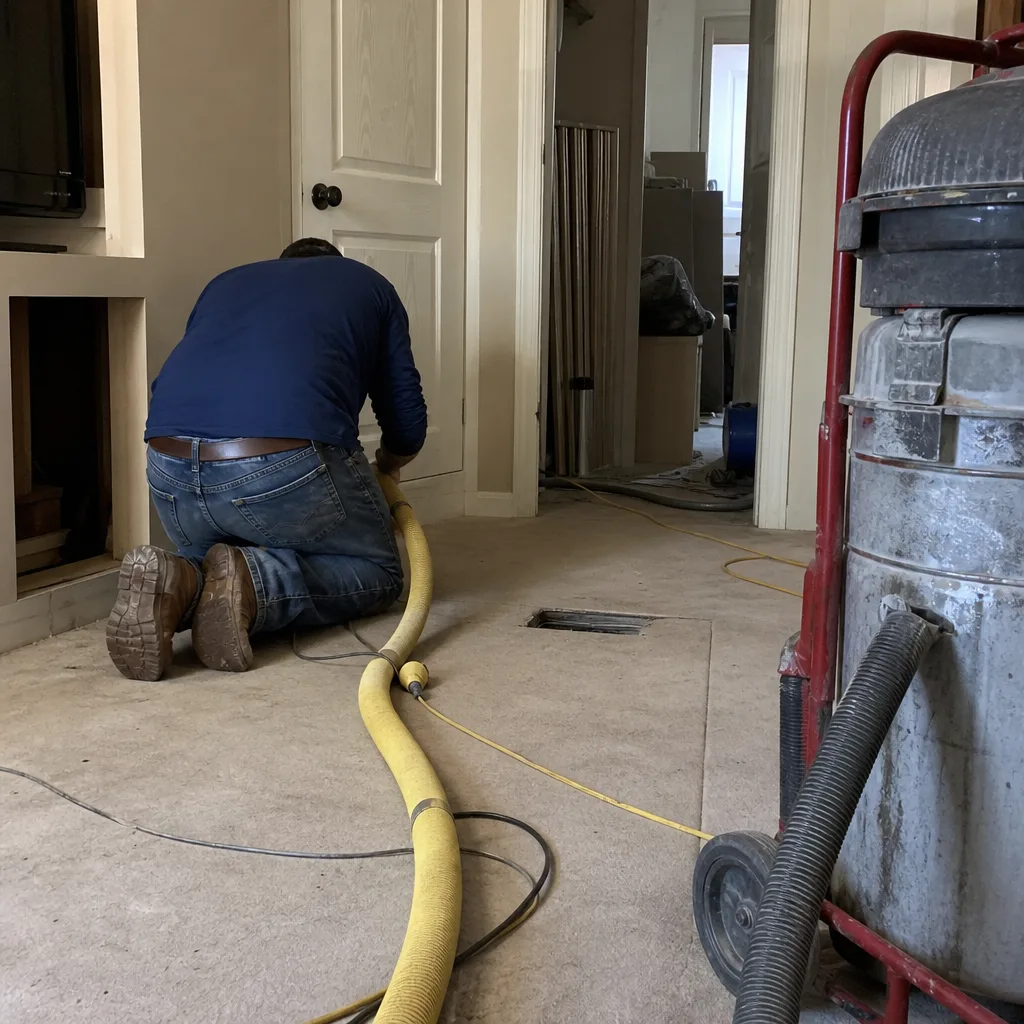 Before
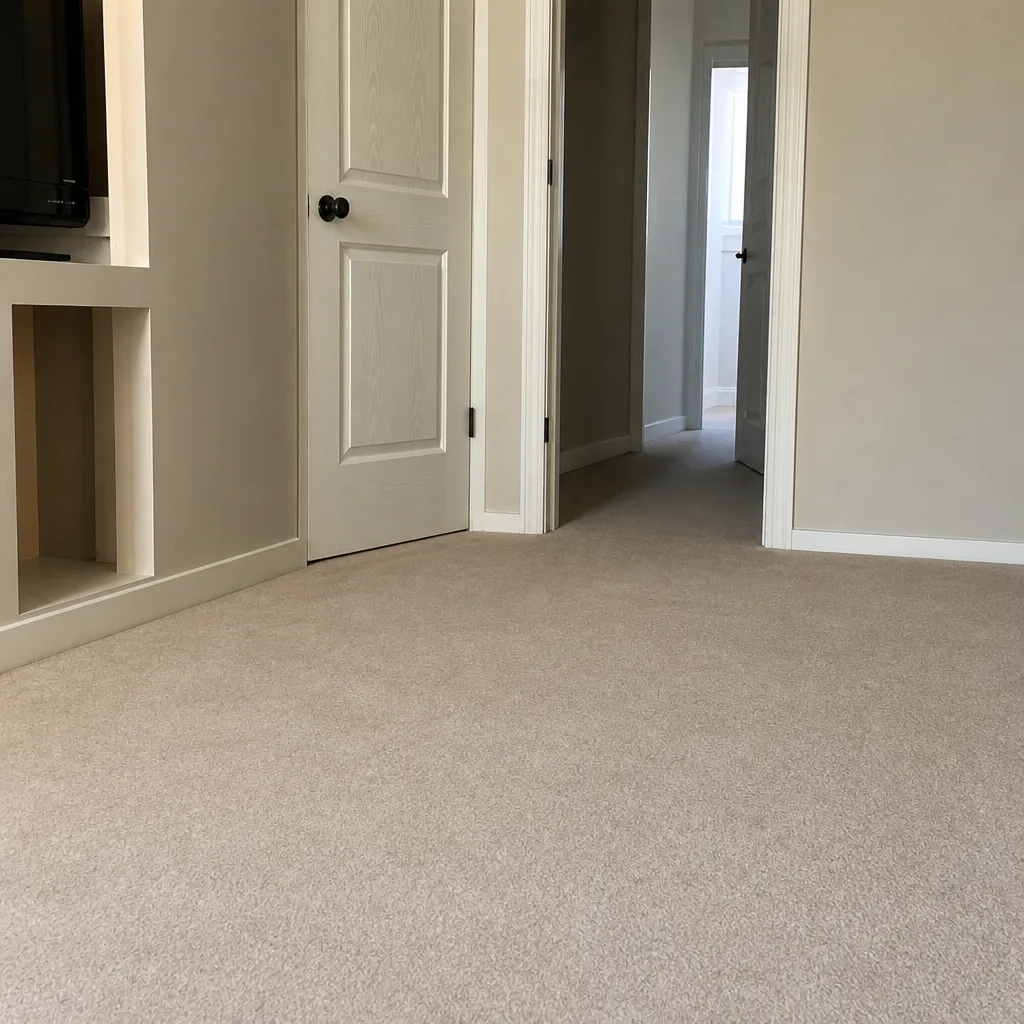 After
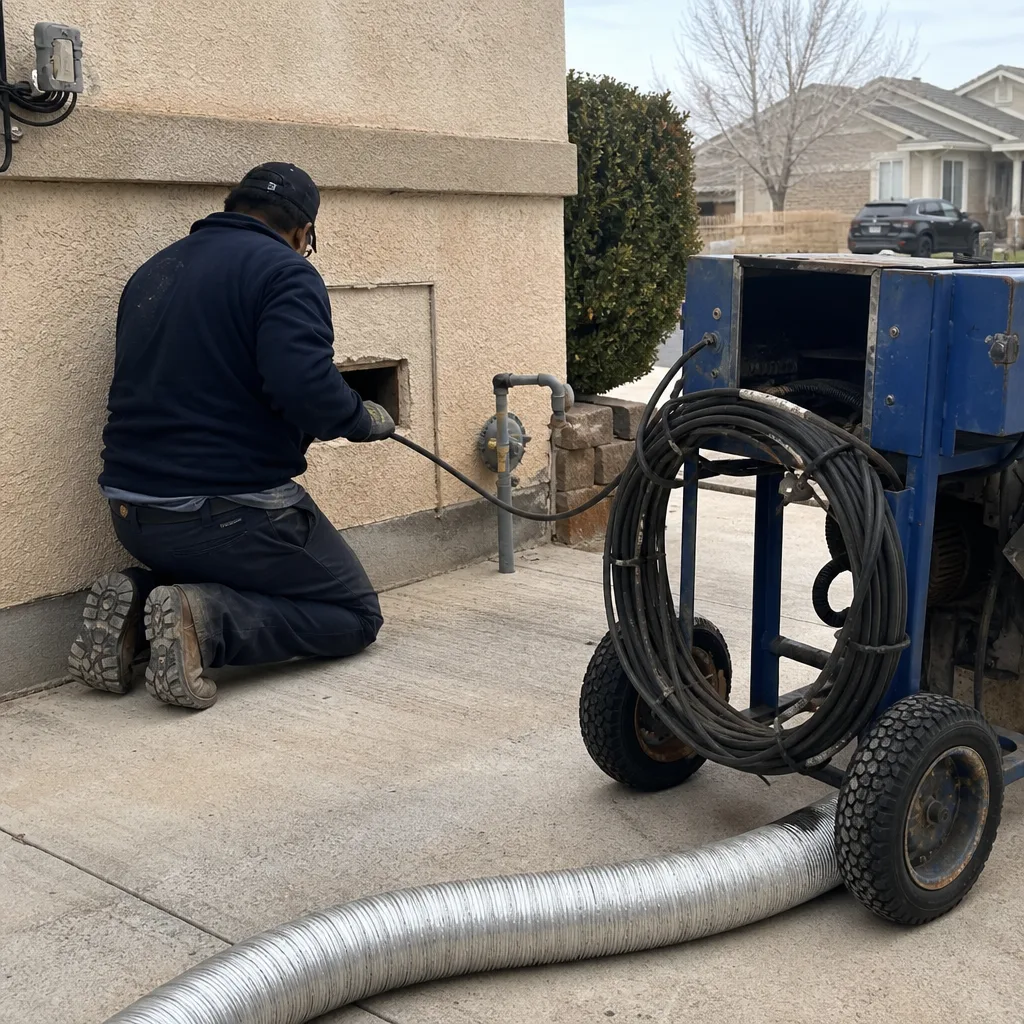 Before
 After
 Before
 After
When to Call a Professional
Call a professional when duct work crosses from cleaning into repair, when you’re unsure whether a permit is needed, or when a previous contractor’s work needs an honest look. If your system is dryer vent cleaning-related and lint buildup has slowed your dryer, that’s a cleaning scope, no permit, and a real safety concern – lint buildup is a leading cause of residential house fires. If your problem is disconnected or crushed duct, that’s a repair, and it may need paperwork. And if you’re selling a house in Odessa and don’t have a permit record for recent duct work, get that sorted before the buyer’s inspector does. Duct Cleaning Odessa offers free estimates in Odessa – call (833) 749-5958. We answer 24/7. Fast dispatch from 7am to 7pm, Sunday through Friday.
Frequently Asked Questions
No. Air duct cleaning in Odessa does not require a permit because it’s classified as routine maintenance of an existing HVAC system, not an alteration. If the same visit crosses into repair or modification, that’s a different scope and may require a mechanical permit. Call (833) 749-5958 for an exact quote – estimates are free.
Cleaning removes debris from ductwork without changing it. Repair restores original condition – sealing a joint, reconnecting a run. Alteration changes the system’s shape, size, or layout, and alteration is what most reliably requires a permit. If your job involves removing or adding duct material, ask the specific permit question before the work starts. Call (833) 749-5958 for an exact quote – estimates are free.
Ask for the TACL license number in writing and verify it through the state HVAC licensing database, then match the name on the license to the company on the estimate. A contractor who can’t produce a number and a matching name is a contractor to slow down with. We can walk you through what applies to your job – call (833) 749-5958. Estimates are free.
It can. If duct work was modified without a permit and that work is later implicated in a claim – water damage from a condensate leak, fire near the air handler, mold in a wet run – the insurance company may treat the claim differently than if the work had been permitted and inspected. Documentation is what protects you, which is why we photograph every job. Call (833) 749-5958 for an exact quote – estimates are free.
Most Odessa homes don’t need cleaning on a fixed schedule. Debris accumulates based on the home – recent renovation, a pet household, an older system with failing seals, or visible dust at the registers. The honest answer is “when the duct is actually dirty,” not “every year.” If you’re not sure, ask for a real assessment rather than a schedule. Call (833) 749-5958 for an exact quote – estimates are free.
Because they’re not the full price. The low coupon figure is a teaser – the technician gets on site and the invoice grows once “extras” are added. Legitimate pricing is a whole-system range agreed before work starts. We quote one flat price per system, in writing, before the first piece of equipment comes out of the box. Call (833) 749-5958 for an exact quote – estimates are free.
The Bottom Line
Air duct cleaning itself needs no permit in Odessa. Duct repair and modification usually do. The line between them depends on whether the work removes, replaces, or reconfigures duct material – and homeowners get burned not by the job itself but by skipping the paperwork. Verify the TACL when mechanical work is involved. Get the scope, the license number, the insurance certificate, and the permit intent in writing. Ask which side of the line a given repair falls on before work starts, not after. If you’re unsure whether your duct needs cleaning or repair in Odessa, that’s a fair question to ask a contractor directly – and a fair one to have answered before anyone touches your system.
Frequently Asked Closing Question
If you’ve read this far and you’re still not sure whether your duct work needs a permit in Odessa, the fastest way to find out is a conversation. Call (833) 749-5958 for a free estimate. We answer 24/7. Fast dispatch from 7am to 7pm, Sunday through Friday. We use professional-grade Rotobrush, Nikro, and Abatement Technologies equipment on every job, and we fix duct repair in the same visit when it’s needed – same team, same paperwork, no handoff.
Written by the team at Duct Cleaning Odessa.